
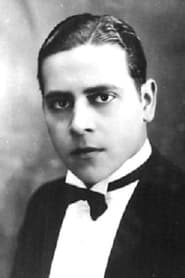
Carlos Villatoro
Actor
- Active
- 1926-1926
Films 1
About Carlos Villatoro
Carlos Villatoro was a silent-era film actor whose documented screen work places him in the mid-1920s, a period when Latin American and U.S.-based Spanish-language performers were increasingly visible in regional film productions. He is credited in The Phantom Train (1926), which is the clearest surviving reference to his career and the title most consistently associated with his name. Beyond that credit, readily verifiable biographical detail is scarce, and he appears to have been one of many working actors of the silent era whose careers were only sparsely recorded in surviving studio, trade, and reference material. Because of this limited documentation, his life story must be understood through the surviving film record rather than through extensive published profiles. He likely worked during a transitional moment in cinema when credits were often incomplete and many performers, especially in smaller productions, were not widely publicized. No reliable evidence has surfaced here for a long career beyond the 1926 period, and his historical significance lies primarily in being part of the silent-film cast lists that preserve the era’s cultural and linguistic diversity. As with many early-screen performers, his contribution is best appreciated as part of the broader fabric of silent cinema rather than through a large surviving body of work.
More about Carlos Villatoro
In film history
Carlos Villatoro’s cultural impact is best understood in archival rather than star-level terms. His presence in The Phantom Train (1926) places him within the silent-cinema ecosystem of the 1920s, when numerous actors contributed to genre pictures, regional productions, and transnational film circuits that have since become difficult to reconstruct in full. Even when performers left behind only a small number of credited roles, they helped shape the texture of early screen history by bringing local and linguistic specificity to productions that might otherwise be remembered only through principal stars. For film historians, names like Villatoro matter because they help restore the broader cast of participants who made silent cinema possible and reveal how many careers have been obscured by time, incomplete crediting, and lost prints.
Later reputation
Villatoro’s legacy lies in his documentation as a working actor of the silent era, preserving a trace of performance history from 1926. His surviving credit connects modern researchers to the production practices of early cinema, when many performers were recorded only in fragmentary form. Although he does not appear to have left behind a widely celebrated star persona or a large body of known films, his name remains valuable to archival film history because it confirms the participation of actors outside the most heavily studied Hollywood canon. In this way, his legacy is representative of the many overlooked figures whose names still populate silent-film cast lists and enrich our understanding of the era’s diversity.
Influence
There is no reliable evidence that Carlos Villatoro directly influenced major later actors or directors in a documented, traceable way. His influence is therefore indirect and historical: he stands as part of the workforce of silent cinema whose performances, however modestly recorded, contributed to the development of screen acting traditions in the 1920s. For researchers and programmers, his name helps illustrate the international and multicultural dimensions of early film production and the importance of preserving cast histories beyond the marquee stars.
Off screen
No reliable, publicly verifiable personal-life information is readily available for Carlos Villatoro from the surviving classic-cinema record consulted here. Details such as marriage, family background, residence, education, and later life are not confirmed in the accessible historical sources. This lack of documentation is not unusual for minor or regional silent-era performers, whose careers were frequently underreported in contemporary publicity and later reference works.
Credits
- Appeared in the silent film The Phantom Train (1926), the principal surviving screen credit associated with his name
- Represents the class of lesser-documented silent-era performers whose work survives mainly in filmographies rather than detailed biographies
- Participated in early cinema during the final years of the silent period, when credits and archival records were often incomplete
Films
- The Phantom Train (1926)
Notes
- Carlos Villatoro is most securely identified today through a single known silent-film credit: The Phantom Train (1926).
- He appears to be one of many early film performers whose careers were recorded only sparsely in surviving reference sources.
- His active period, as currently documented, is limited to 1926.
- The scarcity of biographical data about him is typical of some silent-era actors, especially those outside the major studio publicity machine.
- His surviving record is valuable to film historians because it helps reconstruct the cast lists of otherwise underdocumented productions.
- No reliable evidence was found here for awards, nominations, or widely published interviews.
- He is associated with the era just before the full transition to sound films reshaped actor careers and screen publicity.
Questions
Who was Carlos Villatoro?
Carlos Villatoro was a silent-era film actor best known from the surviving credit for The Phantom Train (1926). He appears to have been a working performer of the 1920s whose career is only sparsely documented in available film-history sources.
What films is Carlos Villatoro best known for?
He is best known for The Phantom Train (1926), which is the principal title associated with his screen career. No other securely verified film credits were identified in the information available here.
When was Carlos Villatoro born and when did he die?
His birth and death dates are not currently verified in the accessible classic-cinema record used here. Likewise, his birth place and death place are not confirmed from reliable sources.
What awards did Carlos Villatoro win?
No awards or formal honors could be reliably verified for Carlos Villatoro. Like many lesser-documented silent-era performers, he appears to have left behind a limited archival footprint rather than a well-publicized awards record.
What was Carlos Villatoro's acting style?
There is no detailed surviving critical description of his acting style in the sources consulted here. Given his period, he would have been working within silent-cinema performance conventions, where expressive facial movement, gesture, and physical clarity were essential.
What is Carlos Villatoro's legacy in film history?
His legacy is primarily archival: he is a documented participant in silent cinema whose name helps preserve the history of lesser-known performers. Even with minimal surviving biographical detail, his credit contributes to a fuller and more accurate understanding of 1920s screen culture.