Stephen Roberts
Director
- Active
- 1922-1922
Films directed 1
About Stephen Roberts
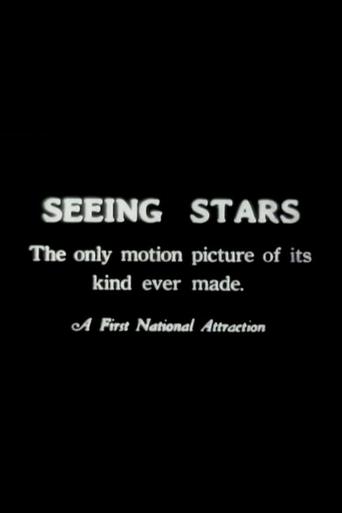
Stephen Roberts was an American film director whose career belongs to the early silent era of Hollywood, a period when the studio system and narrative feature filmmaking were still being defined. He is credited with directing the 1922 film Seeing Stars, which places his screen work at the very beginning of the 1920s and indicates that his known directorial activity was brief or only sparsely documented. Because surviving reference material on him is extremely limited, many details of his life, training, and later career are not well recorded in standard film histories. He appears in historical filmography records as a director rather than as a major star-era auteur, suggesting he worked among the many craftsmen whose names were attached to early productions but who did not leave a large surviving body of credited work. No reliable evidence has surfaced in readily available classic-cinema references to establish a longer list of films, a major studio career, or a sustained public profile. As a result, Stephen Roberts is best understood as a minor but legitimate figure from silent-era film history, remembered primarily through film credits and archival databases rather than extensive biographies. His surviving credit on Seeing Stars makes him a small but authentic part of the early development of American cinema.
More about Stephen Roberts
Behind the camera
No detailed stylistic analysis survives in the standard historical record for Stephen Roberts. Based on his lone documented credit from the silent era, his direction would have relied on the visual storytelling conventions of the early 1920s, including expressive staging, clear pantomime, and intertitle-driven narrative construction. Because there is no substantial body of extant films or contemporary critical commentary readily available, any more specific description of his style would be speculative.
In film history
Stephen Roberts's cultural impact is modest but meaningful within the broader history of silent cinema because he is part of the generation of early filmmakers who helped establish the feature film as a mature storytelling form. Even when a director's name is not widely remembered, the films credited to such figures contributed to the evolving grammar of American screen narrative, visual pacing, and studio-era production practices. His documented work on Seeing Stars places him within the network of filmmakers whose efforts collectively shaped the silent film industry before the coming of synchronized sound. For researchers and historians, his existence on film credits is a reminder that early Hollywood was built not only by celebrated auteurs but also by many lesser-known professionals whose contributions remain partially obscured by the loss of records and prints.
Later reputation
Stephen Roberts's legacy is primarily archival rather than popular: he remains a name preserved in filmography listings and historical databases rather than one associated with a large surviving oeuvre or a celebrated auteur reputation. The limited documentation surrounding him reflects a common condition in silent-era scholarship, where many credits survive even when the films themselves, trade coverage, and biographical records do not. His surviving association with Seeing Stars ensures that he retains a small but definite place in the record of early 1920s American filmmaking. For film historians, that record has value because it helps reconstruct the personnel and production environment of the silent era, especially for lesser-known titles and practitioners.
Influence
There is no documented evidence that Stephen Roberts directly mentored notable later filmmakers or exerted a widely recognized stylistic influence. However, as an early silent-era director, he participated in the foundational practices that influenced the medium as a whole: visual continuity, narrative clarity, and the use of screen direction before sound technology transformed production. His influence, if any, would have been indirect and systemic rather than attached to a prominent school or movement. In that sense, he stands among the many early directors whose work contributed to the standardization of cinematic language used by later generations.
Off screen
Very little is publicly documented about Stephen Roberts's personal life in surviving classic-cinema reference material. His birth family, marital history, residences, and private associations are not clearly established in the commonly accessible historical record. Unlike many better-known Hollywood figures, he does not appear to have left behind a substantial biographical trail in mainstream film histories. Any additional personal details would require consultation of specialized archival sources, trade papers, or contemporary records beyond the standard databases.
Credits
- Directed the silent film Seeing Stars (1922), his documented screen credit
- Worked in the formative silent era of Hollywood feature production
- Represents one of the many early film craftsmen whose work is preserved primarily through surviving credits and film archives
Films
- Seeing Stars (1922)
Notes
- Stephen Roberts is currently best documented for a single known directing credit: Seeing Stars (1922).
- He belongs to the silent-film era, a period when many directors worked with sparse surviving documentation.
- His career appears in filmography records as extremely brief or at least extremely under-documented.
- Because of the limited archival evidence, he is often difficult to distinguish from other people with similar names in historical searches.
- He is one of many early Hollywood figures whose reputations depend on surviving credits rather than extensive press coverage.
- No widely cited photographs, interviews, or memoir material are readily associated with him in standard classic-film references.
- His case illustrates how many silent-era filmmakers remain partially anonymous despite having worked on commercially released features.
Questions
Who was Stephen Roberts?
Stephen Roberts was a silent-era American film director best known from surviving film credit records rather than from an extensive biographical record. His documented work includes directing Seeing Stars (1922), placing him among the early craftsmen of Hollywood's formative years.
What films is Stephen Roberts best known for?
He is primarily known for Seeing Stars (1922), which is the main surviving directing credit readily associated with his name. No larger body of widely cited films is clearly established in standard classic-cinema references.
When was Stephen Roberts born and when did he die?
His birth and death dates are not clearly documented in the standard accessible historical record. Available classic-cinema references confirm his activity as a director in 1922, but not his full biographical dates.
What awards did Stephen Roberts win?
No major awards, nominations, or honors are currently documented for Stephen Roberts in the commonly available film-history record. His significance is mainly historical and archival rather than award-based.
What was Stephen Roberts's directing style?
No detailed critical descriptions of his style have survived in standard references. As a silent-era director, his work would have depended on visual storytelling, expressive staging, and the narrative conventions of early 1920s cinema.
What is Stephen Roberts's legacy in film history?
His legacy lies in his place among the early silent-film directors whose work helped build Hollywood's production culture. Even with limited surviving information, his credited involvement in early cinema contributes to the historical record of the period.