Tammany Young
Actor
- Active
- 1922-1930s
Films 1
About Tammany Young
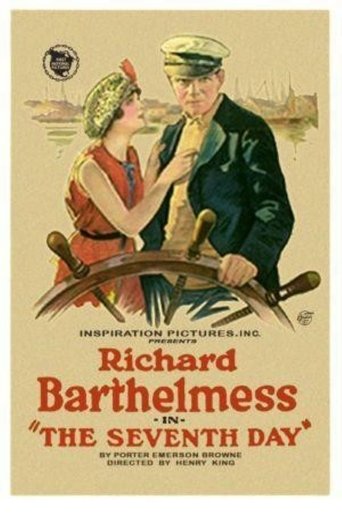
Tammany Young was an American character actor of the silent and early sound eras, best remembered today for playing rough-edged heavies, wisecracking side characters, and comic toughs in studio-era films. He was active in motion pictures in the 1920s and 1930s, appearing in a wide range of productions rather than building a career as a leading man. His screen work reflects the kind of sturdy supporting-player presence that was essential to classical Hollywood filmmaking, where dependable character actors gave texture and rhythm to the story. Young is credited in films such as The Seventh Day (1922), but like many performers of his type, much of his career is documented through film credits rather than extensive contemporary publicity. He appears to have worked steadily in small and medium-sized roles, contributing to the atmosphere of urban comedies, crime pictures, and melodramas. Because he was not a major star, surviving biographical detail is limited, but his filmography places him within the broad network of dependable studio-era players who helped define the look and feel of early American cinema.
More about Tammany Young
On screen
Tammany Young appears to have specialized in compact, efficient character work typical of studio-era supporting actors. His likely screen persona leaned toward blunt, working-class, or physically assertive characters, often the sort used to add conflict, humor, or local color to a scene. As with many silent-era and early talkie supporting players, his acting style would have depended on clear gesture, strong facial expression, and direct physical business, with later sound roles likely emphasizing timing and vernacular delivery. He seems to have been valued more for immediacy and believability than for ornate star-style performance.
In film history
Tammany Young’s cultural impact lies in the broader importance of the classic Hollywood character actor. Performers like him gave silent and early sound films their sense of lived-in realism, filling out the worlds inhabited by stars and making scenes feel socially specific and textured. Even when they were not prominently billed, these actors helped shape audience expectations for type-based casting: the bruiser, the sidekick, the hanger-on, or the streetwise minor figure who could shift a scene’s energy in a single entrance. His career is a reminder that film history is not made only by marquee names, but also by the large pool of working actors whose faces and mannerisms became part of the fabric of popular cinema.
Later reputation
Because Tammany Young is not among the best-documented figures of early Hollywood, his legacy is primarily historical rather than celebrity-based. He stands as an example of the many reliable supporting players whose work survives in film credits and archives, even if personal details have been lost or were never widely recorded. For researchers and classic-film enthusiasts, his name contributes to a fuller understanding of how studio-era filmmaking functioned: through ensembles of specialist actors who gave consistency to genre pictures, comedies, and dramas. His legacy is therefore tied to the preservation and study of silent and early sound film personnel as a whole. In that sense, he represents the anonymous backbone of classical cinema production.
Influence
There is no strong evidence that Tammany Young directly trained or mentored later performers, but actors of his type influenced the development of screen character acting by establishing durable archetypes. The way studio films used compact, forceful supporting roles created a template later character actors would refine in sound-era Hollywood. His work belongs to the lineage of actors who proved that even brief appearances could sharpen characterization, deepen atmosphere, and give a film memorable texture. That legacy influenced casting practices throughout classical cinema, where recognizable types became an essential storytelling tool.
Off screen
Detailed personal information about Tammany Young is not readily documented in surviving mainstream film-reference sources. He does not appear to have been a major star whose marriages, family life, or public activities were widely reported in the trade press or fan magazines. As a result, his private life remains obscure compared with better-known actors of the era. The available record chiefly preserves his screen work rather than personal biography.
Credits
- Appeared in The Seventh Day (1922), one of the identifiable early credits associated with his screen career
- Worked as a supporting character actor during the silent era and into early sound cinema
- Built a career in small roles that supported the narrative and tonal energy of studio pictures
- Contributed to the tradition of stock character performers who specialized in tough, comic, or plainspoken roles
- Represents the kind of steady contract-era supporting player common in classic Hollywood
Roles
- Supportive tough-guy or comic-heavy roles in studio-era features
- Character parts in silent-era melodramas and early sound productions
Films
- The Seventh Day (1922)
Notes
- Tammany Young is specifically identified as a film actor rather than a stage star or major studio headliner.
- He is credited in The Seventh Day (1922), placing him firmly in the silent-era film world.
- His surviving reputation is based more on film credits than on extensive biographical records.
- Like many character actors of the period, he likely moved through small supporting roles rather than leading parts.
- He represents the many working performers whose names are preserved in film databases even when personal details are sparse.
- His career illustrates how early Hollywood depended on a deep bench of dependable supporting actors.
Questions
Who was Tammany Young?
Tammany Young was an American character actor active in the silent and early sound eras of classic cinema. He is best understood as a supporting player whose work helped populate studio-era films with convincing everyday and tough-guy types.
What films is Tammany Young best known for?
The clearest identifiable title associated with him is The Seventh Day (1922). Beyond that, he appears to have worked in supporting roles across early Hollywood productions, though surviving documentation is limited.
When was Tammany Young born and when did he die?
His birth and death dates are not readily available in standard surviving film-reference sources. Likewise, his birthplace is not clearly documented in the accessible record.
What awards did Tammany Young win?
No major awards or nominations are currently documented for Tammany Young. That is not unusual for supporting character actors of the silent era, many of whom worked before modern awards culture fully developed.
What was Tammany Young's acting style?
He appears to have specialized in concise, forceful character acting suited to silent films and early talkies. His screen persona likely emphasized physical presence, clear expression, and efficient support for the scene rather than showy star turns.
What is Tammany Young's legacy in film history?
His legacy lies in representing the essential but often under-credited supporting actors of classic Hollywood. These performers helped create the texture, realism, and rhythm of studio films, even when they were not major stars.