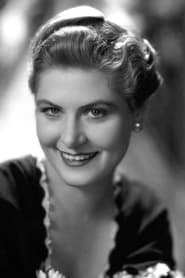
Dorothy Christy
Actor
Born: May 26, 1893 in Reading, Pennsylvania, USA Died: May 21, 1979 Active: 1921-1934
Films
5 films
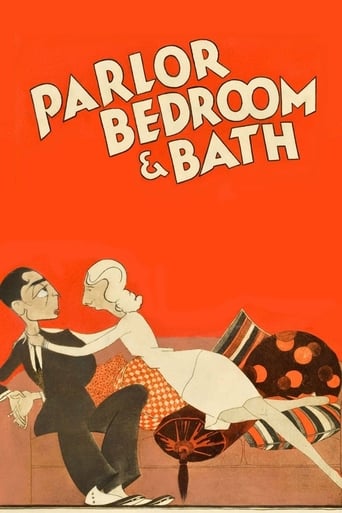
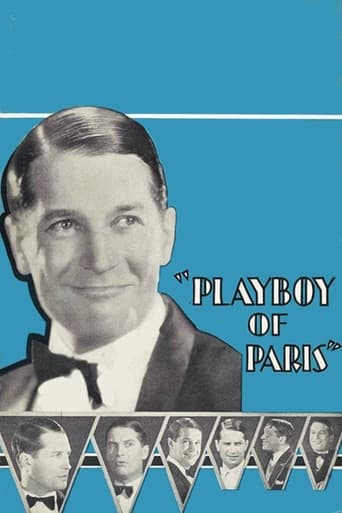
About Dorothy Christy
American actress who flourished during the transition from silent films to early talkies in Hollywood. Born in Reading, Pennsylvania, she began her film career in the early 1920s, quickly establishing herself as a versatile performer capable of handling both dramatic and comedic roles. Throughout the 1920s, she appeared in numerous silent productions, often cast as sophisticated society women, vamps, or romantic interests. Her career continued successfully into the sound era, where her clear diction and stage presence helped her make the transition that ended many silent-era careers. Christy worked with several major studios during her career, including Paramount, Universal, and MGM, appearing alongside many of the era's biggest stars. While she never achieved top-billing status, she maintained a steady career as a reliable character actress throughout the 1920s and into the early 1930s. Her film career gradually wound down by the mid-1930s, after which she retired from the screen. Christy's contributions to early Hollywood exemplify the work of the many talented supporting players who helped build the foundation of American cinema during its formative years.
The Craft
On Screen
Dorothy Christy was known for her naturalistic acting style that adapted well to both silent and sound films. In silent pictures, she used expressive facial features and body language to convey emotion, while in talkies, her clear diction and refined speaking voice served her well. She specialized in portraying sophisticated, often worldly women of society, bringing a sense of elegance and authenticity to these roles. Christy's performances were marked by their subtlety rather than theatricality, making her particularly effective in supporting character roles that required nuance and restraint.
Milestones
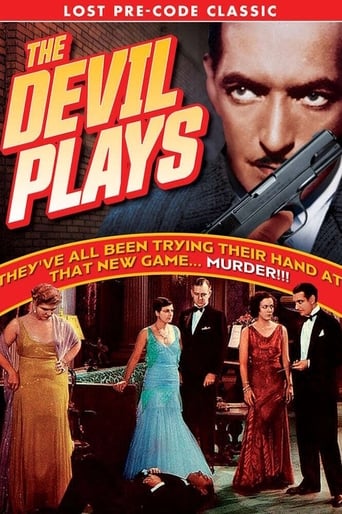
- Film debut in 'The Devil Plays' (1921)
- Successful transition from silent films to talkies
- Appeared in over 50 films during her career
- Worked with major Hollywood studios including Paramount and Universal
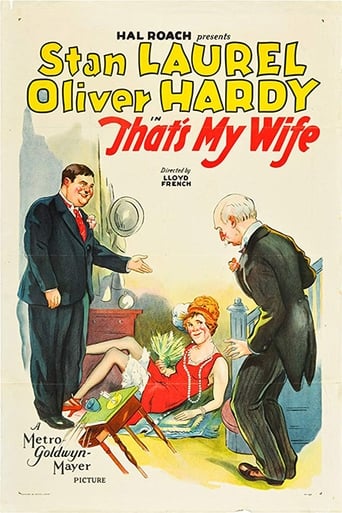
- Notable supporting role in 'That's My Wife' (1929) opposite Harold Lloyd
Best Known For
Iconic Roles
Must-See Films
Accolades
Special Recognition
- Contributor to early Hollywood cinema during the transition from silent to sound films
Working Relationships
Worked Often With
Studios
Why They Matter
Impact on Culture
Dorothy Christy's career represents the journey of countless actors who successfully navigated the challenging transition from silent films to talkies in Hollywood. Her ability to adapt her acting style for sound pictures demonstrated the versatility required of actors during this pivotal period in cinema history. As a reliable supporting player, she contributed to the overall quality and entertainment value of numerous films, helping to establish the studio system's reputation for producing consistent, professional entertainment. Christy's portrayals of sophisticated women reflected and helped shape American ideals of femininity and class during the Roaring Twenties and early Depression era.
Lasting Legacy
Dorothy Christy's legacy lies in her contribution to the foundation of American cinema during its formative years. While not a major star, her body of work represents the craftsmanship and professionalism that characterized Hollywood's golden age. Her successful transition from silent to sound films serves as an example of adaptability in an industry undergoing rapid technological change. Film historians and classic cinema enthusiasts recognize Christy as part of the essential supporting cast that helped create the memorable films of the 1920s and early 1930s. Her performances, preserved in films that continue to be studied and appreciated, offer valuable insights into the acting styles and cultural values of early 20th century America.
Who They Inspired
As a working actress during the transition to sound, Dorothy Christy influenced younger performers by demonstrating how to successfully adapt acting techniques for the new medium. Her naturalistic approach to both silent and sound acting provided a model for actors seeking to avoid the theatricality that often characterized earlier film performances. While she didn't mentor specific individuals who went on to major stardom, her professional example contributed to the evolving standards of film acting during a crucial period of development in cinema history.
Off Screen
Dorothy Christy led a relatively private life away from the Hollywood spotlight. She married actor and director James Hall in 1924, though the marriage eventually ended in divorce. Unlike many of her contemporaries, Christy managed to avoid the scandals and controversies that plagued Hollywood during the studio era. After retiring from films in the mid-1930s, she largely withdrew from public life, focusing on her personal interests and family. She spent her later years in California, where she lived until her death in 1979, just days before what would have been her 86th birthday.
Family
- James Hall (1924-1929)
Did You Know?
- Began her film career at the relatively late age of 28 for a silent film actress
- Successfully made the transition from silent films to talkies, a feat that ended many careers
- Often cast as 'the other woman' or romantic rival in romantic comedies
- Worked with virtually every major studio during her career but never signed an exclusive long-term contract
- Retired from films in the mid-1930s, earlier than many of her contemporaries
- Her death in 1979 came just five days before her 86th birthday
- Despite appearing in over 50 films, she was rarely credited with leading roles
- Was part of the stable of reliable character actors that studios depended on during the golden age
- Her film active years covered the entire transition from silent to sound cinema
In Their Own Words
In silent pictures, your eyes had to do all the talking. In talkies, you had to learn when not to talk at all.
Being a good supporting actress was sometimes harder than being a star. You had to shine without outshining.
Frequently Asked Questions
Who was Dorothy Christy?
American actress who worked in Hollywood during the 1920s and early 1930s, appearing in both silent films and early talkies. She was known for playing sophisticated women and supporting roles in numerous films during the golden age of Hollywood.
What films is Dorothy Christy best known for?
Titles linked here include The Devil Plays (1921), That's My Wife (1929).
When was Dorothy Christy born and when did she die?
Born May 26, 1893; died May 21, 1979.
What awards did Dorothy Christy win?
Dorothy Christy did not receive major formal awards or nominations during her career, as was common for many supporting actors of her era. Her recognition came from steady employment and respect within the industry.
What was Dorothy Christy's acting style?
Dorothy Christy was known for her naturalistic acting style that successfully adapted from silent to sound films. She specialized in portraying sophisticated women with subtlety and restraint, using expressive features in silents and clear diction in talkies.
Did Dorothy Christy successfully transition from silent to sound films?
Yes, Dorothy Christy was among the actresses who successfully made the transition from silent films to talkies, maintaining her career through the early 1930s thanks to her adaptable acting style and clear speaking voice.
Why did Dorothy Christy retire from acting?
Dorothy Christy retired from films in the mid-1930s, possibly due to the changing nature of Hollywood roles as she aged and the industry's increasing preference for younger actresses in the types of roles she typically played.