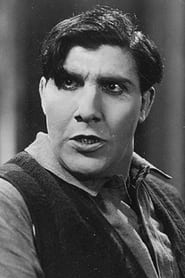
Raoul Paoli
Actor
Born: November 24, 1887 in Paris, France Died: March 23, 1960 Active: 1923-1925 Birth Name: Raoul Georges Paoli
Films
2 films
About Raoul Paoli
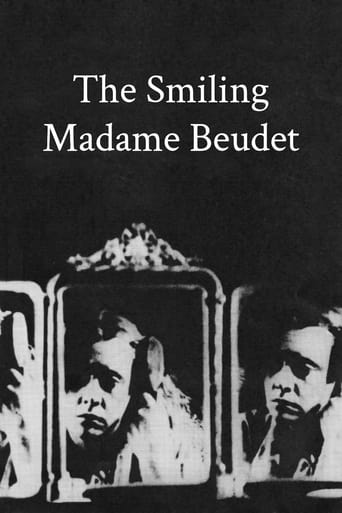
Remarkable French athlete-turned-actor who transitioned from sports stardom to cinema during the silent era. Born in Paris in 1887, Paoli first gained fame as a versatile athlete, excelling in rugby, rowing, tennis, and boxing, even competing in the 1908 and 1912 Olympic Games. His imposing physical presence and natural charisma made him a natural fit for the silver screen, leading to his film debut in the early 1920s. His most notable cinematic appearance was in Germaine Dulac's avant-garde masterpiece 'The Smiling Madame Beudet' (1923), where he played the domineering husband opposite actress Germaine Dermoz. Paoli's brief but memorable film career coincided with the height of French impressionist cinema, though he remained primarily known for his athletic achievements throughout his life. After his film career, he returned to sports and later worked as a journalist, maintaining his public profile until his death in 1960. His unique dual career as both an Olympic athlete and film actor makes him a fascinating figure in early 20th century French cultural history.
The Craft
On Screen
Physical and naturalistic, leveraging his athletic background to create commanding screen presence with minimal theatrical affectation typical of the period
Milestones
- Olympic athlete in 1908 and 1912 Games
- Starred in 'The Smiling Madame Beudet' (1923)
- French rugby champion
- Professional boxer and rower
- Transitioned from sports to cinema during French impressionist movement
Best Known For
Iconic Roles
Must-See Films
Accolades
Special Recognition
- French Olympic Committee member
- Inducted into French Sports Hall of Fame
Working Relationships
Worked Often With
Studios
Why They Matter
Impact on Culture
Raoul Paoli represents a unique intersection of sports and cinema culture in early 20th century France. His appearance in 'The Smiling Madame Beudet' placed him at the heart of the French impressionist cinema movement,. The film itself is considered a landmark of feminist cinema and avant-garde filmmaking, with Paoli's portrayal of the oppressive husband serving as a crucial counterpoint to the film's exploration of female psychological liberation. His participation helped bridge the gap between mainstream French culture and the emerging avant-garde film movement.
Lasting Legacy
Though primarily remembered as an athlete, Paoli's contribution to cinema endures through his role in. 'The Smiling Madame Beudet' continues to be studied in film schools worldwide, ensuring Paoli's performance remains part of cinematic history. His legacy exemplifies the multidimensional nature of early 20th century cultural figures, who often excelled in multiple fields. Today, film historians and scholars recognize him as an example of how sports figures contributed to the development of cinema during its formative years.
Who They Inspired
Paoli influenced the perception of athletes in cinema, demonstrating that sports figures could bring authenticity and physical presence to dramatic roles. His naturalistic acting style, derived from his athletic background, contrasted with the more theatrical performances common in silent films. This approach presaged the more realistic acting styles that would become prevalent in later decades. His brief film career also showed how avant-garde directors like Germaine Dulac were willing to cast non-traditional actors to achieve specific artistic effects.
Off Screen
Raoul Paoli led a diverse public life, balancing his athletic pursuits with brief acting career and later journalism. He never married and dedicated his life to sports and physical culture. His larger-than-life personality made him a popular figure in Parisian society during the Belle Époque and beyond. Paoli maintained connections with both the artistic and athletic communities throughout his life, serving as a bridge between these two worlds in French culture.
Education
Limited formal education, primarily trained in athletics and physical education
Did You Know?
- Competed in rugby at the 1900 Paris Olympics before the sport was officially recognized
- Stood 6'4" tall, making him an imposing figure in both sports and film
- Was a professional boxer for a brief period in the 1910s
- Spoke multiple languages fluently, including English and Italian
- Worked as a war correspondent during World War I
- His father was Italian, which gave him dual citizenship
- Was friends with many famous artists and writers of the Belle Époque period
- Continued to compete in sports well into his 40s
- Wrote several books about athletics and physical fitness
- His film career was brief due to his preference for sports over acting
In Their Own Words
The body is the temple of the soul, and sport is its prayer
Cinema, like sport, requires discipline and dedication of the highest order
In both the stadium and on the screen, one must give everything of oneself
Frequently Asked Questions
Who was Raoul Paoli?
French Olympic athlete and with credits in this catalog. He is best remembered for his role in the avant-garde film 'The Smiling Madame Beudet' (1923), though he was primarily known as a versatile athlete who competed in multiple sports including rugby, rowing, and boxing.
What films is Raoul Paoli best known for?
Titles linked here include The Smiling Madame Beudet (1923).
When was Raoul Paoli born and when did he die?
Born November 24, 1887; died March 23, 1960.
What awards did Raoul Paoli win?
While Raoul Paoli did not receive major acting awards, he was recognized for his athletic achievements with induction into the French Sports Hall of Fame. He competed in the 1908 and 1912 Olympic Games and was a French champion in multiple sports.
What was Raoul Paoli's acting style?
Paoli's acting style was notably naturalistic and physical, drawing from his athletic background. He avoided the exaggerated theatrical gestures common in silent films, instead using his imposing physical presence and authentic movements to create believable characters on screen.