
Henry Otto
Director
Born: August 8, 1877 in St. Louis, Missouri, USA Died: August 3, 1952 Active: 1912-1928
Films
1 film
About Henry Otto
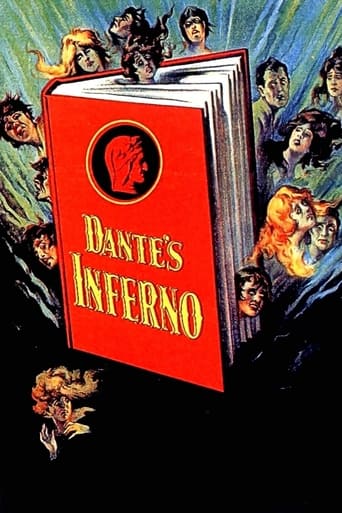
Prolific American filmmaker during the silent era, transitioning from acting to directing in the early 1910s. Born in St. Louis, Missouri, he began his film career as an actor in 1912 before moving behind the camera, where he found his true calling as a director. Throughout the 1910s and 1920s, Otto directed over 60 films, working primarily with independent production companies and demonstrating remarkable versatility across genres including melodramas, westerns, adventure films, and literary adaptations. His most ambitious and enduring work was the 1924 adaptation of Dante's Inferno, which showcased his ability to handle complex visual effects and elaborate set design. Otto frequently collaborated with his wife, actress Lule Warrenton, and often worked with leading players of the silent era. As the film industry transitioned to sound in the late 1920s, Otto's directing career waned, though he remained involved in the industry through various capacities. His filmography represents a significant body of work from the golden age of silent cinema, reflecting both the technical limitations and artistic ambitions of the period.
The Craft
Behind the Camera
Otto's directing style was characterized by efficient storytelling and visual spectacle, particularly evident in his later works. He demonstrated a keen eye for elaborate set design and special effects, as showcased in Dante's Inferno. His films often featured melodramatic elements and moral themes, common in silent era cinema. Otto was particularly adept at managing large-scale productions with multiple sets and extras, showing technical proficiency that evolved throughout his career.
Milestones
- Transitioned from acting to directing in 1913
- Directed over 60 films during his career
- Created the ambitious adaptation Dante's Inferno (1924)
- Frequent collaboration with wife Lule Warrenton
- Worked with major silent era stars including Wallace Reid and Gloria Swanson
Best Known For
Iconic Roles
Must-See Films
Accolades
Special Recognition
- Contributor to American silent cinema heritage
Working Relationships
Worked Often With
Studios
Why They Matter
Impact on Culture
Henry Otto contributed significantly to the development of American silent cinema through his extensive body of work spanning over a decade of rapid technological and artistic evolution. His adaptation of Dante's Inferno represented one of the early attempts to bring classical literature to the screen with elaborate production values, helping establish precedents for literary adaptations in cinema. Otto's work reflected and helped shape popular tastes during the silent era, particularly in melodramas and adventure genres. His films, while not as well-remembered as those of contemporary directors like D.W. Griffith or Cecil B. DeMille, represent important examples of the types of productions that filled American theaters during the 1910s and 1920s.
Lasting Legacy
Henry Otto's legacy lies in his substantial contribution to the silent film era as both a director and actor. His filmography provides valuable insight into the types of productions that characterized American cinema before the advent of sound. While many of his films are now lost, as is common with silent era works, those that survive demonstrate the technical and artistic development of cinema during its formative years. Otto's career exemplifies the journey of many early filmmakers who adapted from acting to directing, helping establish the professional practices of the film industry. His work, particularly Dante's Inferno, remains of interest to film historians and scholars studying the evolution of visual storytelling and special effects in early cinema.
Who They Inspired
Otto influenced the development of film production techniques through his practical approach to filmmaking, particularly in handling elaborate productions during the silent era. His work on Dante's Inferno demonstrated early innovations in visual effects and set design that would influence subsequent productions. As a director who worked with numerous actors, he likely contributed to the development of acting styles suitable for silent film performance. His extensive output helped establish patterns of genre filmmaking that would become standard in Hollywood.
Off Screen
Henry Otto married actress Lule Warrenton, with whom he frequently collaborated both professionally and personally. Their marriage was notable for being a partnership both in life and in the film industry, with Warrenton often acting in his films and occasionally producing. The couple had one son together. Otto's personal life was relatively private compared to many Hollywood figures of his era, and he maintained a reputation as a hardworking, professional filmmaker focused on his craft rather than celebrity.
Education
Limited formal education information available; likely self-taught in filmmaking through practical experience in early film industry
Family
- Lule Warrenton (married 1912-1931)
Did You Know?
- Dante's Inferno (1924) was
- He began his film career as an actor before transitioning to directing within just a year of entering the industry
- Many of his films are now considered lost, as is common with over 75% of silent films
- His wife Lule Warrenton was not only an actress but also one of the few female producers of the silent era
- Otto directed films for multiple studios, showing the flexibility and mobility common among directors of his era
- The Red Kimona (1925), one of his notable films, was based on a real murder case and was considered controversial for its time
- He worked during the transition from short films to feature-length productions, adapting his directing style accordingly
- His career declined with the advent of sound, as was common for many silent era directors who couldn't or wouldn't adapt to the new technology
- Otto was part of the generation of filmmakers who helped establish Hollywood as the center of American film production
- His directing style evolved from simple one-reel shorts to complex feature films, reflecting his growth as a filmmaker
In Their Own Words
No documented famous quotes from Henry Otto are available, which is common for directors of the silent era who rarely gave interviews or wrote about their craft
Frequently Asked Questions
Who was Henry Otto?
American on YTB.my. He directed over 60 films and is best known for his 1924 adaptation of Dante's Inferno, which showcased his ability to handle elaborate productions and special effects.
What films is Henry Otto best known for?
Titles linked here include Dante's Inferno (1924), The Red Kimona (1925).
When was Henry Otto born and when did he die?
Born August 8, 1877; died August 3, 1952.
What awards did Henry Otto win?
Henry Otto did not receive major formal awards during his career, which was common for many directors of the silent era. His legacy is recognized through his contribution to American cinema rather than specific accolades.
What was Henry Otto's directing style?
Otto's directing style emphasized efficient storytelling and visual spectacle, with particular skill in managing elaborate sets and special effects. His films often featured melodramatic elements and moral themes typical of silent era cinema, with a focus on clear visual narrative suitable for non-verbal storytelling.