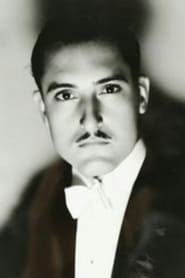
José Crespo
Actor
Born: August 24, 1900 in Murcia, Spain Died: March 19, 1997 Active: 1929-1976 Birth Name: José Crespo Febrel
Films
1 film
About José Crespo
Spanish actor who became a pivotal figure in the early sound era of Hollywood, specifically within the niche of 'Spanish-language versions' produced by major studios. Born in Murcia, Spain, he began his artistic journey in the theater before migrating to the United States in the late 1920s to capitalize on the industry's transition to talkies. He was quickly signed by Metro-Goldwyn-Mayer (MGM) and later worked with Fox and Paramount, serving as a leading man for audiences in Spain and Latin America who preferred films in their native tongue. His most significant contribution was starring in the Spanish-language counterparts of American hits, such as 'El presidio' (the Spanish version of 'The Big House'), where he took on roles originally played by stars like Wallace Beery or Chester Morris. Beyond his Hollywood tenure, Crespo had a robust international career, filming in Mexico and returning to Spain, where he remained a respected elder statesman of the screen until his retirement. His career serves as a primary example of the 'Cine Hispano' movement in Los Angeles, which bridged the gap between the Golden Age of Hollywood and the burgeoning Spanish-speaking film markets.
The Craft
On Screen
Crespo was known for a sophisticated and dramatic acting style that blended the theatrical intensity of his Spanish stage roots with the more naturalistic requirements of the Hollywood camera. He possessed a commanding screen presence and a deep, resonant voice that made him ideal for the 'talkie' revolution. His ability to convey brooding masculinity and romantic vulnerability allowed him to step into roles originally designed for top-tier American stars, often bringing a unique European flair to the characters.
Milestones
- Signed a lucrative contract with MGM in 1930 to lead their Spanish-language film division
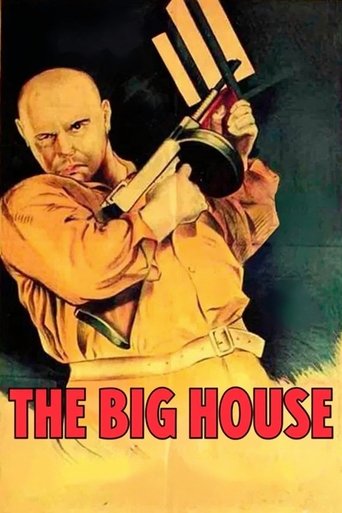
- Starred as the lead in 'El presidio' (1930), the Spanish version of the Academy Award-winning 'The Big House'
- Co-starred with Lupe Vélez in the Spanish version of 'The Resurrection' (1931) titled 'Resurrección'
- Became one of the highest-paid Spanish actors in Hollywood during the early 1930s
- Successfully transitioned from Hollywood back to the Mexican and Spanish film industries in the 1940s and 50s
- Received the Gold Medal for Merit in Fine Arts from the Spanish government in 1992
Best Known For
Iconic Roles
Must-See Films
Accolades
Won
- Gold Medal for Merit in Fine Arts (Medalla de Oro al Mérito en las Bellas Artes), Spain (1992)
- Premio Toda una Vida from the Union of Actors and Actresses (1996)
Special Recognition
- Recognized as a pioneer of Spanish-language cinema in Hollywood by the Filmoteca Española
- Tribute at the Huelva Ibero-American Film Festival
Working Relationships
Worked Often With
Studios
Why They Matter
Impact on Culture
Vital cultural ambassador during a unique period in film history when Hollywood produced 'multiple-language versions' of its films. By starring in these productions, he helped establish a cinematic bridge between the United States and the Spanish-speaking world, ensuring that audiences in Latin America and Spain remained connected to global cinema trends. He was a symbol of the 'Spanish Hollywood' era, proving that non-English speaking actors could hold leading man status in the world's most powerful film industry.
Lasting Legacy
His legacy is preserved through the study of early sound cinema and the 'Cine Hispano' movement. He is remembered as one of the few Spanish actors who successfully navigated the transition to sound in a foreign country, paving the way for future international stars. In Spain, he is celebrated as a veteran of the screen who represented the country's talent on the global stage during the 1930s.
Who They Inspired
Crespo influenced a generation of Spanish and Latin American actors who sought to break into the American market. His success demonstrated that linguistic barriers could be overcome through specialized production models, and his professional conduct set a standard for European actors working within the rigid Hollywood studio system.
Off Screen
José Crespo was known for his discretion regarding his private life, though he was a prominent figure in the expatriate community of Spanish artists in Los Angeles during the 1930s. He maintained close ties with his homeland throughout his life, eventually returning to Spain permanently in his later years. He was part of a social circle that included other Spanish stars like Conchita Montenegro and Edgar Neville.
Education
Studied drama and classical theater in Madrid, Spain, before beginning his professional stage career.
Family
- Maria de la Luz (years unknown)
Did You Know?
- He was often referred to as the 'Spanish Valentino' early in his career due to his dark, handsome features.
- Crespo appeared in 'El presidio', which was filmed on the same sets as the English version 'The Big House' but usually shot at night after the English crew had finished.
- He lived to be 96 years old, witnessing the entire evolution of cinema from the silent era to the digital age.
- Before Hollywood, he was a successful stage actor in Spain, performing in the works of Benavente and the Quintero brothers.
- He was one of the founding members of the Spanish actors' community in Hollywood that lobbied for better representation in the 1930s.
- He returned to Spain in the 1950s and continued to act in character roles well into his 70s.
In Their Own Words
In Hollywood, we were like ghosts in the night, filming the same scenes the Americans did by day, but in our own tongue and with our own soul.
The transition to sound was a revolution that required us to not just look the part, but to feel it through the language.
Frequently Asked Questions
Who was José Crespo?
Prominent Spanish with credits in this catalog. He was a key figure in the 'Cine Hispano' movement in Los Angeles.
What films is José Crespo best known for?
Titles linked here include The Big House (Spanish version: El presidio) (1930), Resurrección (1931).
When was José Crespo born and when did he die?
Born August 24, 1900; died March 19, 1997.
What awards did José Crespo win?
His most notable honors include Spain's Gold Medal for Merit in Fine Arts (1992) and a lifetime achievement award from the Spanish Union of Actors.
What was José Crespo's acting style?
Crespo utilized a dramatic and commanding style that combined his classical Spanish theatrical training with the expressive requirements of early sound cinema, making him a versatile leading man.