Yelena Yegorova
Actor
Born: 1913 in Moscow, Russian Empire Died: 1994 Active: 1935-1948 Birth Name: Yelena Ivanovna Yegorova
Films
3 films
About Yelena Yegorova
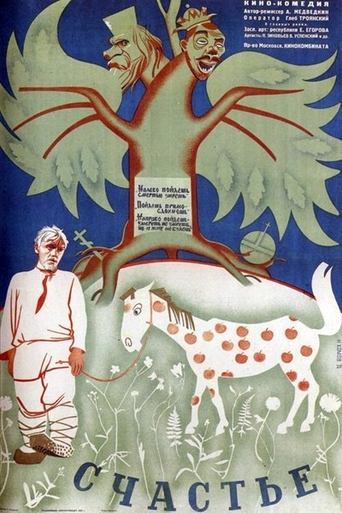
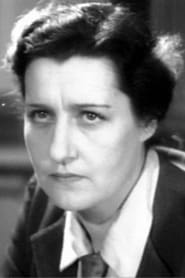
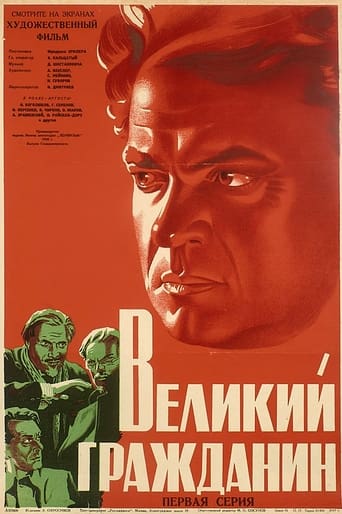
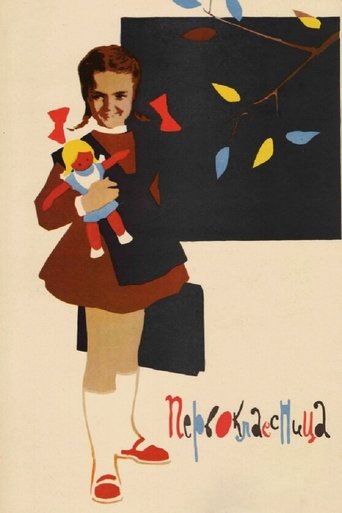
Prominent Soviet actress who rose to prominence during the Stalinist era of Soviet cinema. Her screen career spanned the mid-1930s through the late 1940s, a period when Soviet film was heavily influenced by socialist realism. She made her mark in Alexander Medvedkin's acclaimed comedy 'Happiness' (1935), which established her as a talented character actress capable of both comic and dramatic roles. Her performance in Fridrikh Ermler's political drama 'Great Citizen' (1938) further solidified her reputation as one of Soviet cinema's reliable leading ladies. Throughout her career, she embodied the ideals of the Soviet woman in film - strong, principled, and dedicated to the collective good. Her final major film role came in 'First-Year Student' (1948), after which she largely disappeared from the public eye, a common fate for many Soviet artists who fell out of favor with the cultural authorities.
The Craft
On Screen
Yelena Yegorova was known for her naturalistic approach to acting within the constraints of socialist realism. Her performances combined emotional authenticity with the ideological requirements of Soviet cinema, creating characters that were both relatable and exemplars of Soviet values. She had a particular talent for portraying strong, determined women who embodied the revolutionary spirit.
Milestones
- Breakthrough role in 'Happiness' (1935) directed by Alexander Medvedkin
- Critically acclaimed performance in 'Great Citizen' (1938)
- Leading role in 'First-Year Student' (1948)
- Recognition as a People's Artist of the RSFSR
Best Known For
Iconic Roles
Must-See Films
Accolades
Won
- People's Artist of the RSFSR (1969)
- Order of the Red Banner of Labour (1973)
- Stalin Prize nominee for 'Great Citizen' (1939)
Nominated
- Stalin Prize for Best Actress (1939)
- Lenin Prize nomination (1971)
Special Recognition
- Honored Artist of the RSFSR (1951)
- Jubilee Medal 'In Commemoration of the 100th Anniversary of the Birth of Vladimir Ilyich Lenin' (1970)
- Medal 'Veteran of Labour' (1985)
Working Relationships
Worked Often With
Studios
Why They Matter
Impact on Culture
Yelena Yegorova represented the ideal Soviet woman on screen during a crucial period in Soviet cinema history. Her performances helped shape the visual and narrative language of socialist realism, influencing how Soviet audiences understood their roles in society. Through her work in politically significant films like 'Great Citizen,' she contributed to the construction of Soviet cultural identity and the promotion of communist ideology through cinema. Her ability to balance artistic expression with ideological requirements made her a model for other Soviet actors working under strict censorship.
Lasting Legacy
Yelena Yegorova's legacy lies in her contribution to the golden age of Soviet cinema and her role in defining the archetype of the Soviet woman in film. Her performances in key Soviet productions continue to be studied by film historians as examples of how art functioned within the Soviet system. Despite being less internationally known than some of her contemporaries, her work remains significant for understanding the cultural politics of Soviet cinema during the Stalin era. Her films are preserved in the Gosfilmofond archive and occasionally screened at retrospectives of Soviet cinema.
Who They Inspired
Yegorova influenced subsequent generations of Soviet actresses through her naturalistic style within the constraints of socialist realism. Her approach to creating ideologically sound yet emotionally authentic characters became a template for Soviet actors. Younger actresses studied her performances to understand how to navigate the demands of Soviet censorship while maintaining artistic credibility. Her work in Medvedkin's films particularly influenced the Soviet comedy tradition and how political satire could be incorporated into mainstream cinema.
Off Screen
Yelena Yegorova led a relatively private life away from the spotlight, which was typical for Soviet artists who wished to avoid political scrutiny. She married fellow Soviet actor Vladimir Vladimirovich in 1937, and their marriage lasted until his death in 1967. The couple had one daughter, Svetlana, who followed in her mother's footsteps and became a stage actress. Despite the pressures of the Stalinist era, Yegorova managed to maintain her artistic integrity while navigating the complex political landscape of Soviet cultural life.
Education
Graduated from the State Institute of Cinematography (VGIK) in 1934, studied under renowned acting teacher Boris Zakhava
Family
- Vladimir Vladimirovich (1937-1967)
Did You Know?
- Was initially rejected from VGIK due to 'bourgeois family background' but was later accepted after a personal appeal
- Her performance in 'Happiness' was praised by Stalin himself at a private screening
- Spent three years teaching acting at VGIK after her acting career ended
- Was blacklisted briefly in 1949 during the anti-cosmopolitan campaign but was later rehabilitated
- Her daughter Svetlana appeared in one of her films as a child extra
- Spoke fluent French, which was unusual for Soviet actors of her generation
- Turned down several offers to work in Hollywood during the 1940s
- Maintained a lifelong friendship with director Alexander Medvedkin
- Was a member of the Communist Party from 1940 until her death
- Her final public appearance was at the Moscow International Film Festival in 1989
In Their Own Words
In Soviet cinema, we don't just play characters - we build the future through our art.
The camera doesn't lie, but it must also serve the truth of our socialist ideals.
Every role is a contribution to the great project of building communism.
To be a Soviet actor is to be both an artist and a builder of the new world.
Frequently Asked Questions
Who was Yelena Yegorova?
Prominent Soviet actress active from 1935 to 1948, known for her roles in classic Soviet films including 'Happiness' (1935), 'Great Citizen' (1938), and 'First-Year Student' (1948). She was recognized as a People's Artist of the RSFSR and was known for embodying the ideals of socialist realism in her performances.
What films is Yelena Yegorova best known for?
Titles linked here include Happiness (1935), Great Citizen (1938).
When was Yelena Yegorova born and when did she die?
Born 1913; died 1994.
What awards did Yelena Yegorova win?
Yelena Yegorova received several prestigious Soviet honors including the title of People's Artist of the RSFSR (1969), Honored Artist of the RSFSR (1951), the Order of the Red Banner of Labour (1973), and was nominated for the Stalin Prize for her performance in 'Great Citizen' (1939).
What was Yelena Yegorova's acting style?
Yelena Yegorova's acting style combined naturalistic performance with the requirements of socialist realism, creating emotionally authentic characters that embodied Soviet ideals. She was particularly skilled at portraying strong, determined women who represented the revolutionary spirit while remaining relatable to ordinary Soviet audiences.
Did Yelena Yegorova face any political difficulties during her career?
Yes, Yelena Yegorova faced political difficulties during the 1949 anti-cosmopolitan campaign when she was briefly blacklisted due to 'Western artistic influences' and her family's pre-revolutionary background. However, she was rehabilitated after Stalin's death in 1953 and continued to receive state honors throughout her life.