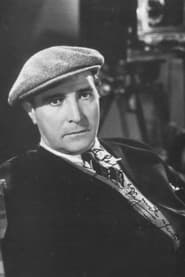
Florián Rey
Actor
Born: January 27, 1894 in La Almunia de Doña Godina, Zaragoza, Spain Died: January 11, 1962 Active: 1925-1960 Birth Name: Antonio Martínez del Castillo
Films
1 film
About Florián Rey
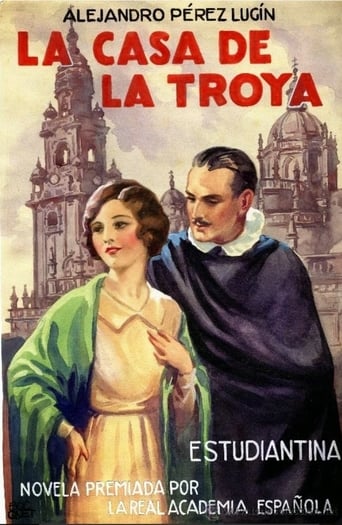
Florián Rey, born Antonio Martínez del Castillo, was a Spanish film director and screenwriter who in the development of Spanish cinema during the silent era and early sound period. He began his career in the 1920s, initially working as an actor before transitioning to directing where he found his true calling. Rey directed his first film 'La casa de la Troya' in 1925, which marked the beginning of his influential directorial career. Throughout the late 1920s and 1930s, he became one of Spain's most respected filmmakers, known for his ability to capture Spanish culture and rural life on screen. His masterpiece 'La aldea maldita' (1930) is considered one of the greatest achievements of Spanish silent cinema. During the Spanish Civil War, Rey worked in exile in Germany and later returned to Spain to continue his filmmaking career. He was married to the famous actress and singer Imperio Argentina, with whom he collaborated on several successful films. Rey's over three decades, during which he directed more than 30 films and helped establish the foundations of Spanish national cinema.
The Craft
Milestones
- Directed 'La casa de la Troya' (1925), his directorial debut
- Created masterpiece 'La aldea maldita' (1930)
- Directed successful musical films with wife Imperio Argentina
- Worked in exile during Spanish Civil War
- Helped establish Spanish national cinema identity
Best Known For
Must-See Films
Accolades
Special Recognition
- Considered one of the pioneers of Spanish cinema
- His film 'La aldea maldita' recognized as a masterpiece of Spanish silent cinema
Working Relationships
Worked Often With
Studios
Why They Matter
Impact on Culture
Florián Rey had a profound impact on Spanish cinema by helping establish a national cinematic identity during the crucial formative years of the 1920s and 1930s. His films captured the essence of Spanish culture, traditions, and rural life at a time when Spanish cinema was struggling to define itself against the dominance of Hollywood and European cinema. Rey's work preserved important aspects of Spanish regional culture on film, creating a visual archive of traditions and ways of life that were rapidly changing. His most famous film 'La aldea maldita' is considered a cornerstone of Spanish cinema history, demonstrating that Spanish filmmakers could create works of artistic merit comparable to the best international cinema of the era. Rey also helped launch and shape the career of Imperio Argentina, one of Spain's most beloved entertainers, through their successful collaborations.
Lasting Legacy
Florián Rey's legacy endures as one of the foundational figures of Spanish cinema history. His films, particularly 'La aldea maldita,' continue to be studied and celebrated as masterpieces of Spanish silent cinema. Rey is remembered for his ability to blend artistic ambition with popular appeal, creating films that were both critically acclaimed and commercially successful. His work documenting Spanish rural life and traditions has become an invaluable cultural record, preserving aspects of Spanish heritage that might otherwise have been lost. Rey's influence can be seen in later generations of Spanish filmmakers who continued to explore themes of national identity and regional culture. His partnership with Imperio Argentina set a precedent for creative collaborations between directors and performers in Spanish cinema.
Who They Inspired
Florián Rey influenced subsequent generations of Spanish filmmakers by demonstrating the artistic and commercial potential of films rooted in Spanish culture and identity. His success with regional stories and authentic settings inspired other directors to explore similar themes in their work. Rey's technical innovations in visual storytelling and his ability to work effectively with actors, particularly non-professionals in rural settings, provided a model for realist filmmaking in Spain. His films helped establish visual and narrative conventions that would become standard in Spanish cinema. Rey's international success, particularly with films starring Imperio Argentina, also helped prove that Spanish cinema could compete in the global market, encouraging other Spanish filmmakers to aim for both national and international audiences.
Off Screen
Florián Rey was married to the renowned Spanish actress and singer Imperio Argentina, who starred in many of his most successful films. Their professional and personal partnership was. Rey was deeply connected to his Spanish heritage and often drew inspiration from his native Aragon region. During the Spanish Civil War, he faced political challenges and worked in exile in Germany before returning to Spain. He spent his later years in Benidorm, Alicante, where he passed away in 1962.
Family
- Imperio Argentina (1934-1962)
Did You Know?
- His real name was Antonio Martínez del Castillo, taking 'Florián Rey' as his professional name
- He began his career as an actor before transitioning to directing
- His film 'La aldea maldita' was considered lost for decades before being rediscovered and restored
- He worked in exile in Germany during the Spanish Civil War
- His wife Imperio Argentina was
- Many of his films were musicals that showcased Argentina's singing talents
- He was particularly skilled at adapting literary works to the screen
- His films often featured authentic regional locations and non-professional actors
- He directed both silent films and successfully transitioned to sound cinema
- His work is considered crucial to understanding the development of Spanish national cinema
In Their Own Words
Cinema must be the mirror of our people's soul
In every Spanish village there is a story worth telling
The camera should capture not just images, but the spirit of the land
Frequently Asked Questions
Who was Florián Rey?
Spanish on YTB.my. Born Antonio Martínez del Castillo, he is best known for his masterpiece 'La aldea maldita' (1930) and his collaborations with actress Imperio Argentina, whom he married.
What films is Florián Rey best known for?
Titles linked here include La aldea maldita (1930), La casa de la Troya (1925).
When was Florián Rey born and when did he die?
Born January 27, 1894; died January 11, 1962.
What was Florián Rey's contribution to Spanish cinema?
Florián Rey was instrumental in establishing Spanish national cinema identity during the 1920s and 1930s. He created films that authentically captured Spanish culture, rural life, and traditions, helping prove that Spanish cinema could achieve both artistic merit and commercial success.
Was Florián Rey married?
Yes, Florián Rey was married to Imperio Argentina, one of Spain's most famous actresses and singers of the 20th century. They married in 1934 and collaborated on many successful films together, with her often starring in his productions.