A Bronx Morning
"Jay Leyda's Bronx street montage from the el train."
Keys: Space play/pause · ←/→ 10s · F fullscreen · M mute · </> speed
About this film
Arrival in the Bronx is shown with a view from an elevated train as it enters the city. Then follows a montage of sights from the Bronx. Many typical neighborhood activities are shown, along with scenes from many local businesses.
Cast & crew
More films like this
More Documentary films
View all →
More about this film
About the production
Release date1931
Box officeNot commercially released - primarily shown in art houses and film societies
ProductionIndependent production, Jay Leyda Films
Filmed inBronx, New York City, Elevated train lines entering the Bronx, Various street locations throughout the borough
Filmed on location with a handheld camera, likely using 35mm film stock. Leyda employed innovative techniques for the time, including dynamic camera movement and rapid editing to create rhythm and energy. The film was shot over several weeks to capture different times of day and various weather conditions. Leyda, working with minimal crew and resources, often had to film discreetly to capture authentic street scenes without disrupting daily life.
Themes
Urban life and communityThe rhythm of the cityWorking-class cultureImmigrant experienceThe passage of time
Themes & topics
BronxNew York CityDocumentaryUrban lifeStreet scenesElevated trainCity symphonyWorking class1930sMontageSilent filmIndependent film
Historical background
A Bronx Morning (1931) reached screens through Independent production. Exhibitors of the time built early sound programs that mixed shorts, features, and live acts, so a clear premise helped A Bronx Morning travel between cities and exchange markets.
Why this film matters
Archivists and revival programmers still cite A Bronx Morning (1931) when tracing studio habits, casting pools, and the visual rhetoric audiences once took for granted. Even modest surviving prints help map how A Bronx Morning fit beside competing releases of its day.
Making of
Jay Leyda created 'A Bronx Morning' shortly after returning from studying film in the Soviet Union, where he worked directly with pioneering filmmakers. Armed with new ideas about montage and documentary techniques, Leyda set out to capture his native New York through an artistic lens. The filming process was challenging, as Leyda worked with minimal equipment and often had to shoot quickly to capture authentic moments without drawing attention. He frequently filmed from windows, rooftops, and moving trains to achieve dynamic perspectives. The editing process took several months, with Leyda meticulously crafting the rhythm and flow of the film to create a symphonic portrait of urban life. Many local residents were unaware they were being filmed, adding to the documentary's authentic quality.
What critics said
Trade coverage around 1931 discussed A Bronx Morning for pacing, clarity, and program fit rather than blockbuster grosses. Later writers value it as evidence of period style and as a reference point beside other films from the same era.
Did you know?
- Jay Leyda was only 21 years old when he made the production, making it one of the earliest examples of his documentary work
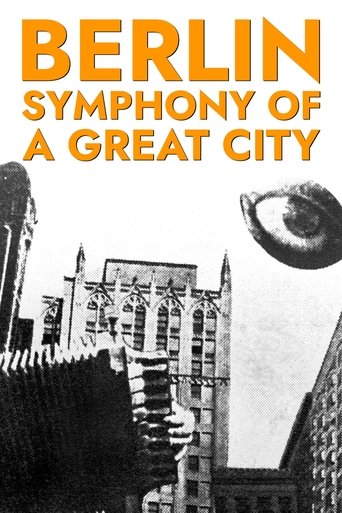
- The film is considered part of the 'city symphony' genre, alongside famous works like 'Man with a Movie Camera' and 'Berlin: Symphony of a Great City'
- Leyda studied under Sergei Eisenstein in the Soviet Union, which heavily influenced his editing style and approach to documentary filmmaking
- The film was shot without sound, as was common for documentaries of this era, and was typically shown with live musical accompaniment
- A Bronx Morning was one of the first American films to focus specifically on the Bronx as a subject, treating the borough with artistic dignity rather than as a mere setting
- The elevated train sequence was particularly innovative for its time, using movement to create a sense of arrival and discovery
- Leyda later became a renowned film historian and scholar, working at the Museum of Modern Art's film department
- The film captures the Bronx during a pivotal period of its development, before major urban renewal projects of the mid-20th century
- Despite its short runtime, the film contains over 100 separate shots, demonstrating Leyda's sophisticated editing techniques
- The film was preserved by the Museum of Modern Art and is now considered an important document of both cinema history and New York City history
Awards & recognition
- Selected for preservation in the National Film Registry by the Library of Congress (pending verification)
- Recognized by the International Documentary Association as a significant early documentary
Visual style
The cinematography of A Bronx Morning is characterized by its dynamic movement and innovative perspectives. Leyda employed handheld camera techniques that were advanced for the time, allowing for intimate and fluid documentation of street life. The film features striking high-angle shots from elevated trains and buildings, providing sweeping views of the urban landscape. Close-ups of faces and activities contrast with wide shots of streets and architecture, creating a varied visual rhythm. Leyda's use of natural light and shadow adds depth and mood to the scenes. The camera work demonstrates influences from both Soviet montage theory and American documentary traditions, resulting in a distinctive visual style that balances artistic composition with documentary authenticity.
Innovations
A Bronx Morning demonstrated several technical innovations for its time. Leyda's use of portable camera equipment allowed for greater mobility and spontaneity in capturing street scenes. The film's rapid editing style, with cuts occurring every few seconds, was ambitious for early documentary work. Leyda employed sophisticated montage techniques learned from Soviet filmmakers, creating visual rhythms and thematic connections through juxtaposition. The elevated train sequence required careful planning and coordination to achieve smooth tracking shots. The film also highlights advanced understanding of composition and framing within the constraints of documentary shooting conditions. These technical achievements helped establish new possibilities for documentary filmmaking in America.
Music
Originally produced as a silent film, A Bronx Morning was typically screened with live musical accompaniment during its initial run. The music was often improvised by pianists or small ensembles, ranging from classical pieces to contemporary popular songs that reflected the film's urban setting. In later years, various composers have created original scores for the film, with some versions incorporating jazz elements to match the New York setting. Modern restorations often feature newly commissioned soundtracks that respect the film's era while enhancing its emotional impact. The absence of synchronized sound in the original version forces viewers to focus entirely on the visual composition and rhythm, which many argue strengthens the film's artistic statement.
Famous quotes
As a silent film, A Bronx Morning communicates through images rather than dialogue, making its visual compositions its primary 'quotes'
Memorable scenes
- The opening elevated train sequence that dramatically introduces the Bronx with sweeping movement and changing perspectives
- The montage of street vendors and local businesses that captures the commercial life of the borough
- Children playing in the streets, representing the vitality and future of the community
- The evening scenes showing the borough winding down, completing the day's cycle
What audiences thought
When first shown in the early 1930s, A Bronx Morning primarily reached specialized audiences through art house screenings, museum exhibitions, and film society presentations. These audiences, composed of film enthusiasts and artists, received the work enthusiastically, appreciating its artistic approach to documentary. General audiences had limited opportunity to see the film, as it was not part of commercial theatrical distribution. In recent decades, as the film has been preserved and made more accessible through archives and educational screenings, contemporary audiences have discovered and embraced it as both a historical artifact and an artistic achievement. Modern viewers often express fascination with the detailed glimpse into the past and admiration for Leyda's technical and artistic skills.
Film connections
Influenced by
- Man with a Movie Camera (Dziga Vertov)
- Berlin: Symphony of a Great City (Walter Ruttmann)
- Soviet montage theory
- Eisenstein's filmmaking techniques
- American documentary tradition
- City symphony genre
This film influenced
- The City (1939)
- The New York Documentaries
- Urban American documentaries of the 1930s-40s
- Modern ethnographic films
- New York documentary tradition
Film restoration
A Bronx Morning has been preserved by the Museum of Modern Art's Department of Film and is part of their permanent collection. The film has undergone restoration efforts to ensure its survival for future generations. While some deterioration occurred over the decades, the restored version maintains the visual quality and integrity of Leyda's original work. The film is considered well-preserved compared to many other documentaries from this period, thanks to early recognition of its historical and artistic importance. Digital copies have been created for archival purposes and to facilitate educational and scholarly access.
Where to watch
- Museum of Modern Art film screenings and archives
- Selected film festivals and retrospective programs
- Educational institutions with film studies programs
- Specialized documentary film collections
- Online archives and streaming platforms specializing in classic cinema
- Library of Congress National Film Registry screenings (if selected)