Jay Leyda
Director
Born: February 15, 1910 in Detroit, Michigan, USA Died: February 15, 1988 Active: 1931-1988
Films
1 film
About Jay Leyda
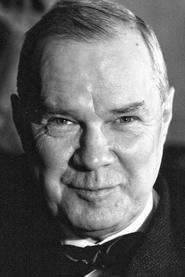
American film historian, archivist, and documentary filmmaker: over five decades, though he is best known for his 1931 avant-garde documentary 'A Bronx Morning.' After studying at the Art Students League of New York, Leyda traveled to the Soviet Union in the early 1930s where he worked as an assistant to the director Sergei Eisenstein, gaining invaluable experience in film theory and practice. Upon returning to America, he became the first curator of the film library at the Museum of Modern Art in New York, where he helped establish film as a legitimate art form worthy of preservation and study. During the 1940s and 1950s, Leyda worked as a film researcher and editor on various documentaries while simultaneously building his reputation as a film scholar through extensive research and publications. He taught film history at several prestigious institutions including Yale University, Columbia University, and New York University, influencing generations of film students and scholars. Leyda's most significant scholarly contributions include his comprehensive studies of American cinema, particularly his work on D.W. Griffith and early Hollywood, as well as his extensive research on Soviet cinema. His final years were dedicated to compiling film archives and writing definitive histories that remain essential references for film scholars today.
The Craft
Behind the Camera
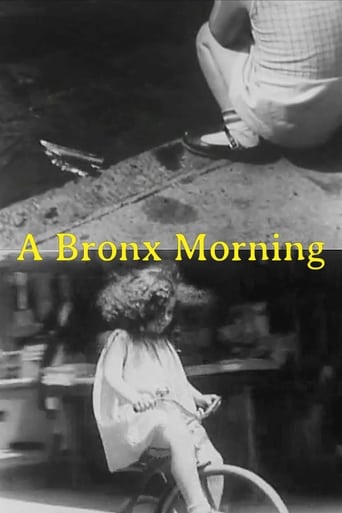
Leyda's directing style in his early work like 'A Bronx Morning' was influenced by Soviet montage theory and European avant-garde cinema, featuring rapid editing, unusual camera angles, and a focus on urban life. His documentary approach emphasized visual poetry over traditional narrative structure, using the camera to capture the rhythm and energy of city life. His style reflected the experimental nature of early 1930s documentary filmmaking, incorporating elements of both social realism and artistic expression.
Milestones
- Directed avant-garde documentary 'A Bronx Morning' (1931)
- Worked as assistant to Sergei Eisenstein in Soviet Union (1932-1934)
- Became first curator of MoMA Film Library (1935-1937)
- Published seminal work 'Films Beget Films' (1964)
- Taught film history at Yale, Columbia, and NYU
- Compiled comprehensive archives on American and Soviet cinema
- Published 'D.W. Griffith and the American Narrative' (1944)
- Edited 'The Melville Log' (1951) documenting Herman Melville's life
Best Known For
Iconic Roles
Must-See Films
Accolades
Won
- Guggenheim Fellowship for Film Studies (1958)
- National Book Award nomination for 'The Melville Log' (1952)
Nominated
- National Book Award nomination for Nonfiction (1952)
Special Recognition
- Honorary Doctorate from Wesleyan University (1975)
- Society for Cinema Studies Lifetime Achievement Award (1986)
- Named
Working Relationships
Worked Often With
Studios
Why They Matter
Impact on Culture
Jay Leyda's cultural impact extends far beyond his brief directing career, as he fundamentally shaped how film history is studied and preserved. His work at the Museum of Modern Art helped establish film as a legitimate art form worthy of academic study and archival preservation, influencing how institutions worldwide approach film curation. Leyda's extensive research and publications provided foundational texts for film studies programs across American universities, helping establish film scholarship as an academic discipline. His work on Soviet cinema introduced Western audiences to previously inaccessible films and filmmakers, bridging cultural gaps during the Cold War era. Leyda's meticulous archival methods set standards for film preservation and historical research that continue to influence film historians and archivists today.
Lasting Legacy
Jay Leyda's legacy is primarily as. His books and research remain essential reading for film scholars, particularly his work on early American cinema and Soviet film history. The archives he compiled and the methodologies he developed continue to serve as foundational resources for film studies programs worldwide. His early experimental film 'A Bronx Morning' has gained recognition as an important example of American avant-garde cinema from the 1930s. Leyda's influence can be seen in the way film history is taught and researched today, with his emphasis on primary sources and archival research becoming standard practice in the field.
Who They Inspired
Leyda influenced generations of film scholars through his teaching at Yale, Columbia, and NYU, where he emphasized the importance of archival research and primary sources. His work with Sergei Eisenstein gave him unique insights into Soviet montage theory, which he shared with Western audiences through his writings and teachings. His archival methods influenced how film preservation is approached in major institutions worldwide. Many prominent film critics and scholars, including Andrew Sarris and members of the auteur theory school, built upon Leyda's foundational research. His interdisciplinary approach, combining practical filmmaking experience with scholarly research, set a model for film studies as an academic discipline.
Off Screen
Jay Leyda married three times throughout his life, with his first marriage to Si-Lan Chen Leyda, a Chinese-American dancer and actress, during his time in the Soviet Union. He had one daughter, Anastasia Leyda, who followed in her father's academic footsteps. Leyda was known for his intense dedication to film research and scholarship, often working long hours in archives and libraries. His personal life was deeply intertwined with his professional work, with his marriages often involving collaborations in artistic and academic endeavors. He spent his later years in New York City, continuing his research and writing until his death on his 78th birthday.
Education
Art Students League of New York (1928-1931), Self-taught in film studies through practical experience and archival research
Family
- Si-Lan Chen Leyda (1934-1946)
- Mildred Constant Leyda (1948-1968)
- Lillian M. Leyda (1970-1988)
Did You Know?
- 'A Bronx Morning' was selected for preservation in the National Film Registry in 2004
- He was one of the few Americans to work directly with Eisenstein in the Soviet Union
- His death on his 78th birthday made him part of the rare 'birthday death' phenomenon
- He collected over 1 million feet of film footage during his career
- His research on Herman Melville's life took over 20 years to complete
- He was blacklisted during the McCarthy era for his time in the Soviet Union
- His apartment in New York was filled with film cans and books, leaving little living space
- He could speak Russian fluently, which helped his research on Soviet cinema
- He helped rescue many lost films through his archival work
- His early film was influenced by both European avant-garde and Soviet montage techniques
In Their Own Words
Film history is not just about what was made, but what survived and why it survived
To understand cinema, one must understand both the art and the industry that created it
Every film reel is a time capsule, preserving not just images but the very essence of an era
The job of the film historian is to be both detective and storyteller
Working with Eisenstein taught me that film is not just entertainment, but a language of revolution
Frequently Asked Questions
Who was Jay Leyda?
American film historian, archivist, and documentary filmmaker best known for his 1931 avant-garde film 'A Bronx Morning' and his work in film scholarship and preservation. He worked with Sergei Eisenstein in the Soviet Union and later became the first curator of the Museum of Modern Art's film library.
What films is Jay Leyda best known for?
Titles linked here include A Bronx Morning (1931), The Earth (1939) - research assistant.
When was Jay Leyda born and when did he die?
Born February 15, 1910; died February 15, 1988.
What awards did Jay Leyda win?
Leyda received a Guggenheim Fellowship for Film Studies in 1958 and was nominated for the National Book Award in 1952 for his work 'The Melville Log.' He also received an honorary doctorate from Wesleyan University in 1975 and the Society for Cinema Studies Lifetime Achievement Award in 1986.
What was Jay Leyda's directing style?
Leyda's directing style in his early work was heavily influenced by Soviet montage theory and European avant-garde cinema, featuring rapid editing, unusual camera angles, and a focus on urban rhythms. His documentary approach emphasized visual poetry over traditional narrative, capturing the energy and movement of city life through experimental techniques.
How did Jay Leyda influence film studies?
Jay Leyda fundamentally influenced film studies by helping establish it as an academic discipline through his teaching at major universities and his scholarly publications. His archival methods and research methodologies set standards for film history scholarship, while his work at MoMA helped legitimize film as an art form worthy of preservation and study.
What was Jay Leyda's relationship with Sergei Eisenstein?
Leyda worked as an assistant to the legendary Soviet director Sergei Eisenstein from 1932-1934, giving him unique insights into Soviet filmmaking and montage theory. This experience profoundly influenced his understanding of cinema and later scholarship, though it also led to his blacklisting during the McCarthy era.