
A Few Quick Facts: Fear
"Where private snafu meets fate"
Keys: Space play/pause · ←/→ 10s · F fullscreen · M mute · </> speed
About this film
Across 1945, Private Snafu learns about fear
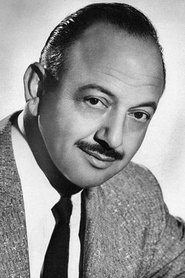
Cast & crew
More Animation films
View all →


More about this film
About the production
Release date1945
ProductionWarner Bros. Cartoons, U.S. Army Signal Corps
Filmed inHollywood, California
This film was part of the U.S. Army's Private Snafu series, created specifically for military training purposes during World War II. The animation was produced by Warner Bros. under government contract, with the unique arrangement allowing the studio to use their top talent while the content was classified as military property. The film was not intended for public theatrical release but was shown exclusively to military personnel as part of their training.
Themes
Fear and courageMilitary trainingPsychological preparationHuman natureWar psychology
Themes & topics
Historical background
Released in 1945, A Few Quick Facts: Fear arrived during the wartime, when audiences were hungry for new screen experiences.
Why this film matters
A Few Quick Facts: Fear remains a reference point for scholars tracing how wartime filmmaking handled plot, performance, and audience expectation.
Making of
The Private Snafu series was a unique collaboration between the U.S. War Department and Warner Bros. Studios. The project began when the Army approached Warner Bros. about creating animated training films that would be more engaging than traditional instructional materials. Dr. Seuss and Phil Eastman were brought in to write scripts that combined military instruction with the irreverent humor that made Warner Bros. cartoons popular. The animation team worked under unusual conditions, as the films were government property and subject to military approval. Despite these constraints, the animators were given creative freedom to include jokes and situations that would never have passed the Hays Code in regular theatrical cartoons. Mel Blanc's voice work was particularly notable, as he could use more colorful language and adult humor than in his civilian cartoon roles. The production schedule was intense, with the team producing multiple shorts simultaneously to meet the Army's training needs.
What critics said
Modern silent- and classic-film writers often revisit A Few Quick Facts: Fear for its place in the wartime lineup rather than for blockbuster status.
Did you know?
- The Private Snafu series was created by Theodor Geisel, better known as Dr. Seuss, who wrote many of the scripts
- Unlike typical Warner Bros. cartoons, Private Snafu films could include more adult humor and mild profanity since they were only shown to military personnel
- The character's name 'Snafu' comes from the military acronym 'Situation Normal: All F***ed Up'
- Mel Blanc provided the voice for Private Snafu, using his distinctive voice talents without the usual restrictions of civilian cartoons
- The entire Private Snafu series consisted of 26 cartoons produced between 1943 and 1945
- These training films were so effective that the U.S. Army considered them more valuable than traditional lectures
- The animation quality was exceptionally high for a training film, as Warner Bros. assigned their top animators to the project
- Many of the Private Snafu cartoons were classified and not available to the public until decades after the war
- The series was directed by several prominent Warner Bros. directors including Chuck Jones, Friz Freleng, and Bob Clampett
- Robert C. Bruce served as the narrator for many of the Private Snafu films, including this one
Visual style
As an animated short, the film utilized the distinctive Warner Bros. animation style of the 1940s, characterized by fluid movement, exaggerated expressions, and dynamic composition. The animation employed visual metaphors to illustrate the physiological effects of fear, including exaggerated heartbeats, trembling, and sweating. The color palette was typical of Warner Bros. cartoons of the era, using vibrant colors to maintain visual interest despite the educational content. The film made effective use of close-ups and perspective changes to emphasize emotional moments, particularly when depicting Snafu's various fears.
Innovations
The Private Snafu series represented an innovative use of animation for educational purposes, demonstrating that complex psychological concepts could be effectively communicated through cartoon format. The films pioneered techniques in educational animation that would influence subsequent training films and educational programming. The series also showcased advanced animation techniques for its time, including sophisticated character animation and visual storytelling that could convey both humor and educational content simultaneously. The production process itself was innovative, establishing a successful model for government-studio collaboration that would be referenced in future wartime and emergency productions.
Music
The musical score was composed by Carl Stalling, Warner Bros.' music director, who created distinctive musical cues for different emotional states and situations. The soundtrack used familiar Warner Bros. musical motifs while incorporating military-themed elements to reinforce the educational content. Sound effects were particularly important in demonstrating the physical manifestations of fear, with exaggerated heartbeats, trembling sounds, and other audio cues. Mel Blanc's voice performance as Private Snafu utilized his full range of vocal talents, creating a character that was simultaneously comic and relatable.
Famous quotes
Fear is normal, but letting it control you isn't soldierly
Every man gets scared, but a real soldier acts anyway
Your heart beats faster, your palms sweat, but you still do your duty
Courage isn't being unafraid, it's being afraid and doing it anyway
Memorable scenes
- The opening sequence where Private Snafu's exaggerated fear responses are demonstrated through visual gags and physical comedy
- The animated depiction of fear's physiological effects on the human body using internal views and exaggerated reactions
- The final scene where Snafu successfully overcomes his fear to complete a military task, demonstrating the lesson's practical application
What audiences thought
The intended audience of U.S. military personnel received the Private Snafu films enthusiastically, with soldiers reportedly looking forward to training sessions that included these cartoons. The humor and relatable portrayal of military life made the lessons more memorable and less intimidating than traditional instruction. Veterans later recalled these films as some of the more enjoyable aspects of their military training, noting how the cartoons accurately captured many of the fears and frustrations they experienced. After being declassified, the films found a new audience among animation enthusiasts and historians, who appreciated them as examples of wartime animation and historical artifacts.
Film connections
Influenced by
- Warner Bros. Looney Tunes style
- Military training manuals
- Psychological research on combat stress
- Dr. Seuss's writing style
- Propaganda films of the era
This film influenced
- Subsequent military training animations
- Educational cartoons of the 1950s
- Modern public service announcements
- Adult animation series
Film restoration
The film has been preserved by the National Archives and Records Administration as part of the U.S. government's collection of wartime training materials. Several film archives and animation collections also hold copies of the Private Snafu series. The film has been digitized and is available through various educational and historical resources, ensuring its preservation for future generations.
Where to watch
- National Archives website
- U.S. Army Heritage and Education Center
- Various online animation archives
- Military history websites
- Educational film collections
- Some public domain animation sites