
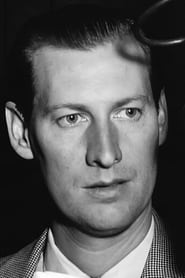
Robert C. Bruce
Actor
Born: March 8, 1914 in Los Angeles, California, USA Died: October 15, 1986 Active: 1941-1945 (peak animation period) Birth Name: Robert Clarence Bruce
Films
7 films
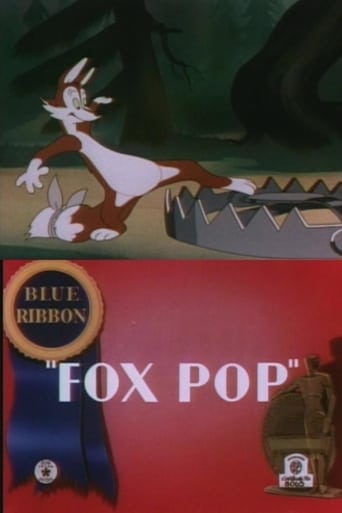
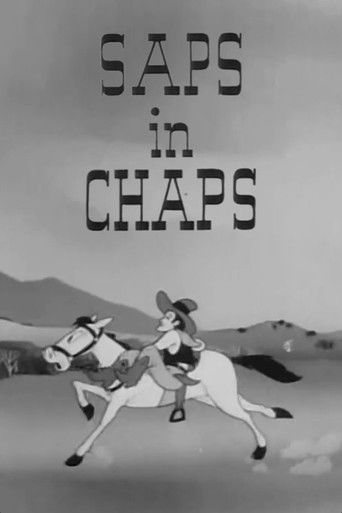


About Robert C. Bruce
American actor and narrator best known for his distinctive voice work in Warner Bros. Animated shorts during the Golden Age of Hollywood animation. Born in 1914, Bruce developed a career as a radio announcer and voice actor that led him to become the go-to narrator for many Looney Tunes and Merrie Melodies cartoons throughout the 1940s. His formal, authoritative announcer style became instantly recognizable to audiences, particularly in travelogue-style cartoons and educational shorts. Bruce worked extensively with Warner Bros. Animation directors like Chuck Jones, Friz Freleng, and Bob Clampett, providing narration that often served as a comedic contrast to the chaotic on-screen action. His voice work extended beyond cartoons into wartime propaganda films and educational shorts during World War II. After his voice acting career peaked in the mid-1940s, Bruce continued working in radio and other voice-related projects. He passed away in 1986, leaving behind a legacy as distinctive voice talents of classic animation.
The Craft
On Screen
Bruce possessed a rich, formal baritone voice characterized by precise diction and an authoritative announcer delivery. His narration style was deliberately old-fashioned and proper, creating a humorous contrast with the zany, chaotic action in the cartoons. He spoke with measured pacing and emphasized words with dramatic flair, often parodying the style of travelogue narrators and educational film presenters of the era.
Milestones
- Became the primary narrator for Warner Bros. Looney Tunes and Merrie Melodies
- Provided narration for over 50 animated shorts during the 1940s
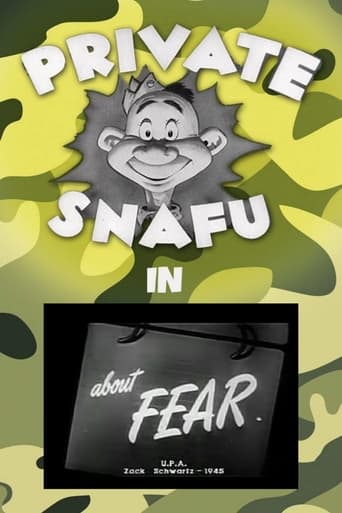
- Worked on wartime propaganda films during WWII
- Developed the signature formal announcer style that defined many classic cartoons
- Collaborated with legendary animation directors including Chuck Jones and Friz Freleng
Best Known For
Iconic Roles
Must-See Films
Accolades
Special Recognition
- Recognized as
- His work featured in Warner Bros. Animation retrospectives and museum exhibitions
Working Relationships
Worked Often With
Studios
Why They Matter
Impact on Culture
Robert C. Bruce's distinctive narration style became an integral part of the Golden Age of Warner Bros. Animation, helping to define the comedic tone of countless classic cartoons. His formal announcer voice created a perfect comedic foil to the chaotic animation, establishing a narrative device that would be widely imitated in later animation. Bruce's work represented the sophisticated parody and satire that made Warner Bros. Cartoons appeal to both children and adults, with his narration often containing subtle social commentary and wit that flew over younger viewers' heads.
Lasting Legacy
Bruce's legacy lives on through the enduring popularity of the classic Warner Bros. Cartoons he narrated. His distinctive voice style has been referenced and parodied in numerous modern animated productions, demonstrating the lasting impact of his work. Animation historians and enthusiasts recognize him as a crucial contributor to the golden age of American animation, even though he rarely received screen credit. His narration helped establish the template for how voice-over could enhance animated comedy, influencing generations of voice actors and animators.
Who They Inspired
Robert C. Bruce influenced the development of voice-over narration in animation, demonstrating how a formal announcer style could create comedic contrast. His work inspired later voice actors to use similar techniques for parody and satire in animation. The distinctive narrator archetype he helped create became a staple of animated comedy, appearing in everything from Jay Ward productions to modern animated series. Animation directors learned from the successful integration of his narration with visual gags, using this approach in countless subsequent cartoons.
Off Screen
Robert C. Bruce maintained a relatively private personal life outside of his voice acting career. He was known primarily through his professional work rather than personal publicity. His distinctive voice made him a recognizable figure to animation enthusiasts, though he rarely appeared on camera. Bruce spent his later years away from the entertainment industry, living quietly in California until his death in 1986 at the age of 72.
Education
Educated in Los Angeles, likely studied broadcasting and voice work during the early days of radio's popularity
Did You Know?
- Never appeared on camera in any of the cartoons he narrated
- His voice was so distinctive that it was often parodied in later Warner Bros. Cartoons
- Worked primarily as an uncredited talent, with his name rarely appearing in cartoon credits
- His narration style was deliberately old-fashioned even for the 1940s, enhancing the comedic effect
- Provided voices for both entertainment cartoons and serious wartime propaganda films
- Collaborated frequently with Mel Blanc, though they never shared scenes together
- His formal announcer style was inspired by early radio newsreaders and documentary narrators
- Many of his narrated cartoons are now considered classics of animation
- His voice work spanned both comedic and educational content during WWII
- The precise number of cartoons he narrated remains uncertain due to lack of comprehensive credits
In Their Own Words
(As narrator) 'And so, our story begins.' - Opening line style used in multiple cartoons
(As narrator) 'Meanwhile, back at the ranch.' - Classic transition phrase
(As narrator) 'Little did they know.' - Foreshadowing technique used in narration
Frequently Asked Questions
Who was Robert C. Bruce?
American voice with credits in this catalog. Looney Tunes and Merrie Melodies cartoons during the 1940s. He provided narration for over 50 animated shorts, creating a signature style that contrasted humorously with the chaotic on-screen action.
What films is Robert C. Bruce best known for?
Titles linked here include The Dover Boys at Pimento University (1942), Farm Frolics (1941).
When was Robert C. Bruce born and when did he die?
Born March 8, 1914; died October 15, 1986.
What awards did Robert C. Bruce win?
Robert C. Bruce did not receive major formal awards during his career, as voice actors and narrators were often overlooked by award ceremonies during his era. However, his work has been posthumously recognized by animation historians and enthusiasts as crucial to the success of many classic Warner Bros. Cartoons.
What was Robert C. Bruce's acting style?
Bruce's narration style was characterized by a rich, formal baritone voice with precise diction and authoritative delivery. He spoke with measured pacing and dramatic emphasis, parodying the style of 1940s travelogue narrators and educational film presenters. This formal approach created perfect comedic contrast with the zany animation he narrated.
Did Robert C. Bruce work with other famous voice actors?
Yes, Bruce frequently collaborated with Mel Blanc, the legendary voice actor behind Bugs Bunny, Daffy Duck, and countless other characters. While they never shared scenes together (Bruce was narration-only), their combined work defined the sound of Warner Bros. Cartoons during the golden age.
Why is Robert C. Bruce not as well-known as other voice actors?
Bruce worked primarily as an uncredited narrator and rarely received screen credit, making him less visible to audiences than on-screen voice actors like Mel Blanc. Additionally, his role as narrator rather than character voice made him less memorable to casual viewers, though animation enthusiasts recognize his crucial contributions to classic cartoons.