A Little Girl Who Did Not Believe in Santa Claus
"A boy proves Santa is real"
Keys: Space play/pause · ←/→ 10s · F fullscreen · M mute · </> speed
About this film
A generous boy tries to help a girl who does not believe in Santa Claus because of her family's poverty.
Cast & crew
More films like this
More Family films
View all →


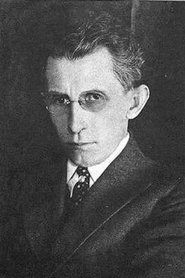
More from J. Searle Dawley
View all →
More about this film
About the production
Release dateDecember 1907
ProductionEdison Manufacturing Company
Filmed inNew York City, New York
This film was produced during the early days of cinema when films were typically shot in a single day or two. As an Edison production, it would have been filmed at their studio in the Bronx, New York. The film represents an early example of narrative storytelling in cinema, moving away from the simple actualities and trick films that dominated the early 1900s. The Christmas theme was relatively novel for cinema of this period, as filmmakers were still exploring what kinds of stories could be effectively told through the medium.
Themes
Christmas spiritPoverty and wealth disparityChildhood innocenceGenerosity and kindnessFaith and belief
Themes & topics
Historical background
Fairground exhibitors screened A Little Girl Who Did Not Believe in Santa Claus around 1907, when projected images still traveled as curiosity entertainment.
Why this film matters
A Little Girl Who Did Not Believe in Santa Claus belongs to early staged screen fiction, when producers tested camera placement and trick cuts.
Making of
Behind the scenes, was created during a transformative period in American cinema. Director J. Searle Dawley was working for the Edison Manufacturing Company, which was one of the dominant film studios of the early 1900s. The production would have taken place at Edison's studio facilities in the Bronx, New York, which were among the first purpose-built film studios in the world. Filming in 1907 was a rudimentary process compared to modern standards - cameras were hand-cranked, lighting was primarily natural or simple arc lights, and there was no location sound recording. The actors would have been stage performers transitioning to the new medium of film, learning to adapt their acting styles for the camera. Christmas films required special props and costumes that would have been sourced or created specifically for the production. The film was likely shot in just one or two days, which was standard for productions of this length during the era.
What critics said
Press notices for A Little Girl Who Did Not Believe in Santa Claus (1907) are sparse in digitized sources; interest today rests on preserved prints and comparison with related titles.
Did you know?
- was directed by J. Searle Dawley, one of Edison's most prolific directors who would go on to direct over 200 films in his career.
- The film was released in December 1907, making it one of the earliest Christmas-themed movies ever produced.
- At only 8 minutes long, it was typical of film lengths during this period when longer features were not yet common.
- The Edison Manufacturing Company was one of the first film studios and was owned by Thomas Edison himself.
- represents an early example of cinema addressing social issues, particularly poverty and its effect on children's innocence.
- Silent films of this era were often accompanied by live music, pianists, or even small orchestras during screenings.
- The cast includes early film actors who worked primarily for Edison Studios, as the studio system had not yet developed star actors.
- 1907 was a pivotal year for cinema, with narrative films becoming more sophisticated and longer than the simple one-shot films of earlier years.
- Christmas themes in film were quite rare in 1907, making this production somewhat innovative for its time.
- The film would have been distributed on 35mm film and shown in nickelodeons, which were small theaters charging 5 cents admission.
Visual style
The cinematography of this 1907 film would have been characteristic of early cinema, using stationary cameras and basic lighting techniques. The film was likely shot on 35mm black and white film using Edison's own cameras and equipment. Camera movements were minimal, with most scenes composed as static tableaus to capture the action. Lighting would have relied heavily on natural light from studio windows supplemented by arc lights when necessary. The visual style would emphasize clarity and composition over artistic flourishes, as the primary goal was to clearly convey the story to audiences. Close-ups were still relatively rare in 1907, so most shots would have been medium or long takes. The Christmas setting would have required special attention to props and set decoration to create the holiday atmosphere within the technical limitations of the era.
Innovations
While not groundbreaking in technical terms, represents the refinement of narrative storytelling techniques that were still developing in 1907. The use of multiple scenes to tell a complete story arc was becoming more sophisticated, moving away from the single-scene films that dominated early cinema. The film demonstrates the effective use of cross-cutting between different characters and locations to build narrative tension. The Christmas theme required special effects and props that would have been technically challenging for the period, including any appearances of Santa Claus or magical elements. As an Edison production, it would have utilized the latest film technology available at the time, including improved film stock and camera equipment. The film's success in conveying emotional themes within the technical limitations of the era represents an achievement in early cinematic storytelling.
Music
As a silent film from 1907, there was no synchronized soundtrack. The film would have been accompanied by live music during theatrical screenings, typically provided by a pianist in smaller nickelodeons or perhaps a small ensemble in larger theaters. The musical accompaniment would have been improvised or selected from standard repertoire pieces appropriate to the mood of each scene. Christmas carols and popular songs of the era would likely have been incorporated into the live performance. The music would have been crucial in conveying emotion and enhancing the storytelling, particularly for the emotional climax when the girl's belief in Santa is restored. Some theaters might have used sound effects like bells or other Christmas-related sounds to enhance the viewing experience.
Famous quotes
Silent film - no recorded dialogue
Memorable scenes
- The climactic scene where the girl's disbelief in Santa Claus is overcome through the boy's generosity and perhaps a magical appearance of Santa himself, representing the restoration of childhood wonder and faith in the Christmas spirit.
What audiences thought
Audience reception in 1907 would have been positive, as Christmas themes and stories about children were popular subjects for early filmgoers. The nickelodeon audiences of the time, largely composed of working-class immigrants and urban Americans, would have appreciated both the entertainment value and the familiar Christmas subject matter. The film's message about generosity and the Christmas spirit would have resonated with audiences during the holiday season. As with most films of this era, specific box office records or audience feedback are not available, but the fact that Edison continued to produce similar narrative films suggests they were commercially successful. The film would have been part of a program of several short films shown together, as feature-length films were not yet the norm.
Film connections
Influenced by
- Stage plays and melodramas of the era
- Christmas literature and stories
- Social reform movements of the Progressive Era
- Earlier Edison narrative films
- Victorian Christmas traditions
This film influenced
- Later Christmas films of the silent era
- Edison's subsequent holiday-themed productions
- Early family dramas addressing social issues
Film restoration
from 1907 is considered lost or partially lost. Like many films from the early cinema period, particularly those produced before systematic preservation efforts began, the original nitrate film stock has likely deteriorated or been destroyed. Some fragments or descriptions may exist in film archives or historical records, but a complete copy is not known to survive in major film archives such as the Library of Congress, the Museum of Modern Art, or the British Film Institute. The loss of represents a significant gap in the history of early Christmas cinema and the work of director J. Searle Dawley.
Where to watch
- Currently not available for viewing as the film is believed to be lost. No known copies exist in major film archives or collections. Film historians and researchers may find references to it in trade publications from 1907 or in filmographies of J. Searle Dawley's work, but the actual film content is not accessible to modern audiences.