J. Searle Dawley
Director
Born: May 13, 1877 in Del Norte, Colorado, USA Died: March 30, 1949 Active: 1907-1925 Birth Name: James Searle Dawley
Films
9 films

About J. Searle Dawley
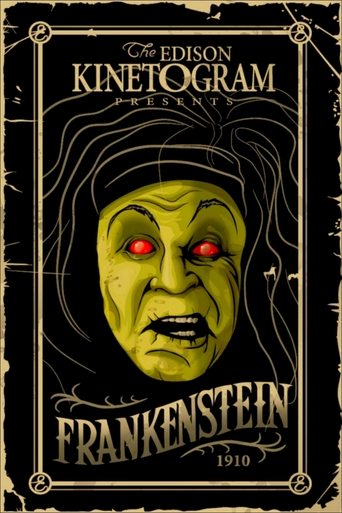
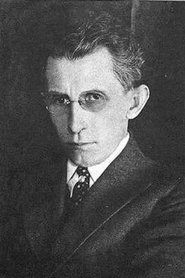
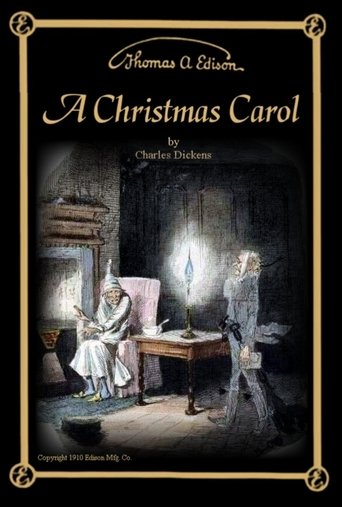
James Searle Dawley — American film director who became a leading filmmaker during cinema's formative years. Beginning his career in theater, Dawley transitioned to film and became Thomas Edison's principal director at Edison Studios, where he directed over 200 short films between 1907 and 1912. His most significant achievement was directing the first film adaptation of Mary Shelley's Frankenstein in 1910, a landmark work that established many horror film conventions still used today. Dawley was instrumental in developing early cinematic language and narrative techniques, often adapting literary works for the screen including A Christmas Carol (1910) and other classic stories. After leaving Edison, he continued his career with Famous Players Film Company and Adolph Zukor's Famous Players-Lasky, helping guide the industry's transition from short one-reel films to feature-length productions. His work spanned the crucial period when cinema evolved from novelty to art form, and his technical innovations and storytelling approaches influenced generations of filmmakers who followed.
The Craft
Behind the Camera
Dawley's directing style was heavily influenced by his theatrical background, emphasizing clear visual storytelling and dramatic staging. He employed static camera positions typical of early cinema but used innovative editing techniques and composition to enhance narrative clarity. His approach to horror and fantasy elements was particularly groundbreaking, using practical effects, reverse motion photography, and creative editing to create supernatural phenomena. Dawley prioritized narrative coherence and emotional impact, often adapting literary works with respect to their source material while making necessary concessions to the limitations of early film technology.
Milestones
- Directed first film adaptation of Frankenstein (1910)
- Principal director at Edison Studios (1907-1912)
- Directed over 200 films for Edison
- Pioneer in adapting literary works to film
- Helped transition cinema from shorts to features
- Developed early special effects techniques
- Mentored early filmmakers including D.W. Griffith
Best Known For
Must-See Films
Accolades
Special Recognition
- Pioneer in early American cinema
- Recognized for directing first Frankenstein film adaptation
Working Relationships
Worked Often With
Studios
Why They Matter
Impact on Culture
J. Searle Dawley's impact on cinema extends far beyond his individual films. As one of Edison's principal directors, he helped establish the visual language and narrative conventions of early American cinema. His 1910 Frankenstein adaptation was particularly influential, creating many horror film tropes that would persist for decades, including the laboratory setting, the creation sequence, and the misunderstood monster archetype. Dawley's work in adapting literary classics to film demonstrated cinema's potential as a serious artistic medium, helping elevate film from mere novelty to legitimate storytelling art form. His techniques for special effects and visual storytelling paved the way for future developments in fantasy and horror cinema.
Lasting Legacy
Dawley's legacy lies primarily in his role as a bridge between theater and cinema, and as a pioneer who helped establish fundamental filmmaking techniques. His Frankenstein (1910) remains a historically significant work as the first adaptation of a novel that would become one of cinema's most enduring franchises. The film's innovative use of reverse motion photography to depict the monster's creation demonstrated early mastery of cinematic special effects. Dawley's extensive filmography provides invaluable documentation of early American filmmaking practices and the evolution of narrative cinema. His work influenced subsequent generations of horror filmmakers and directors adapting literary works, establishing templates that would be refined and expanded throughout cinema history.
Who They Inspired
Dawley influenced early cinema through his technical innovations and narrative approaches, particularly in the horror and fantasy genres. His work at Edison Studios helped establish professional standards for film direction during an era when filmmaking was still evolving from a technical novelty to an art form. Directors who followed in horror cinema built upon the foundations he laid with Frankenstein, particularly in the use of laboratory settings and creation sequences. His methodical approach to adapting literary works influenced subsequent directors who sought to bring classic literature to the screen, demonstrating how complex narratives could be condensed into the limited running times of early films.
Off Screen
Dawley married Grace H. Dawley and had at least one child. He maintained a relatively private personal life despite his prominent position in early Hollywood. His transition from theater to film reflected the broader cultural shift occurring in American entertainment during the early 20th century. After retiring from directing, he remained involved in the film industry in various capacities until his death in 1949.
Education
Limited formal education documented; primarily trained in theater before entering film industry
Family
- Grace H. Dawley (married until his death in 1949)
Did You Know?
- Directed the first film adaptation of Frankenstein in 1910, which was only 16 minutes long
- His Frankenstein film was considered lost for decades before a print was discovered in the 1970s
- Directed over 200 films during his career, most of which are now lost
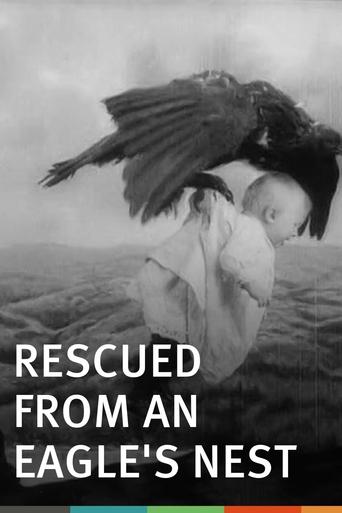
- Rescued from an Eagle's Nest (1908) featured a young D.W. Griffith as an actor before he became a famous director
- Worked directly under Thomas Edison at Edison Studios
- His Frankenstein used a burning dummy and reverse motion photography for the creation sequence
- Was one of the first directors to regularly adapt literary works to film
- Helped establish the professional director role in early American cinema
- His films were among the first to use intertitles for dialogue and exposition
- Transitioned successfully from short one-reel films to early feature-length productions
In Their Own Words
The motion picture is not merely a novelty, but a new form of artistic expression capable of bringing literature to life
In adapting great works to the screen, we must be faithful to the spirit while adapting to the limitations of our medium
The horror film should not merely frighten, but explore the deeper questions of human nature
Every film, no matter how short, should tell a complete and satisfying story
Frequently Asked Questions
Who was J. Searle Dawley?
American on YTB.my. He is most famous for directing the first film adaptation of Frankenstein in 1910 and was instrumental in developing early cinematic techniques and narrative structures.
What films is J. Searle Dawley best known for?
Titles linked here include Frankenstein (1910), A Christmas Carol (1910).
When was J. Searle Dawley born and when did he die?
Born May 13, 1877; died March 30, 1949.
What awards did J. Searle Dawley win?
During Dawley's active period in early cinema (1907-1925), formal award systems for films were not yet established. However, he is recognized today as a pioneer of American cinema, particularly for his groundbreaking work in horror films and literary adaptations.
What was J. Searle Dawley's directing style?
Dawley's directing style was influenced by his theatrical background, emphasizing clear visual storytelling and dramatic staging. He used innovative editing techniques and special effects for his time, particularly in horror films. His approach prioritized narrative coherence and was particularly adept at adapting literary works to the screen while maintaining their essential spirit.
How many films did J. Searle Dawley direct?
Dawley directed over 200 films during his career, most of them short one-reel films produced for Edison Studios between 1907 and 1912. Unfortunately, the majority of these films are now lost, making his surviving works particularly valuable to film historians.
What was J. Searle Dawley's connection to Thomas Edison?
Dawley was one of Thomas Edison's principal directors at Edison Studios, working directly under Edison's supervision from 1907 to 1912. This position made him.
Why is Dawley's Frankenstein (1910) historically significant?
Dawley's Frankenstein is historically significant as the first film adaptation of Mary Shelley's novel, establishing many horror film conventions that persist today. The film's innovative special effects, particularly the creation sequence using reverse motion photography, demonstrated early cinematic mastery and influenced countless horror films that followed.