Ali Baba and the Forty Thieves
"First screen Ali Baba and the forty thieves"
Keys: Space play/pause · ←/→ 10s · F fullscreen · M mute · </> speed
About this film
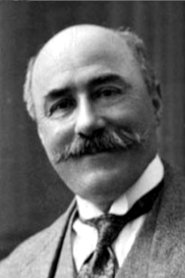
Ferdinand Zecca's hand-tinted Pathé short brings Ali Baba and the forty thieves to the screen in the tale's first known cinematographic adaptation, drawn from the Galland and Diyab Arabian Nights tradition.
Cast & crew
More films like this
More Adventure films
View all →

More from Ferdinand Zecca
View all →
More about this film
About the production
Release date1902
ProductionPathé Frères
Filmed inParis, France
This film was part of Pathé's ambitious early production program and featured elaborate hand-tinted coloring, a labor-intensive process where each frame was individually colored by hand. The production utilized painted backdrops and theatrical sets typical of early cinema, with actors performing in exaggerated pantomime style to convey the story without intertitles. The film's special effects included simple but effective techniques like multiple exposures and stop-motion to create magical elements.
Themes
Greed and its consequencesCleverness versus brute forceLoyalty and betrayalThe triumph of good over evilThe corrupting influence of wealth
Themes & topics
Historical background
Made in 1902, Ali Baba and the Forty Thieves belongs to the pre-feature era and carries the visual and narrative habits of its time. It is the first cinematographic adaptation of this tale.
Why this film matters
For collectors of early and classic cinema, Ali Baba and the Forty Thieves illustrates the range of subjects and styles that reached theaters in 1902. Ali Baba et les quarante voleurs (English: Ali Baba and the Forty Thieves) is a 1902 French short silent film directed by Ferdinand Zecca, inspired by the eponymous folk tale added to the One Thousand and One Nights in the 18th century by its French translator Antoine Galland, who heard it from the Maronite storyteller Hanna Diyab.
Making of
The production of this film took place at Pathé's studio in Vincennes, near Paris, where Ferdinand Zecca had established himself as the company's principal director. The hand-tinting process employed a team of women artists who would carefully apply color to each individual frame using stencils and fine brushes. The actors were drawn from theatrical backgrounds, which explains their exaggerated performance style necessary for silent film comprehension. The sets were constructed like theater backdrops, with painted perspective creating the illusion of depth. The cave sequence likely utilized matte paintings and clever lighting effects to create the mysterious atmosphere. Production would have taken several weeks, an unusually long period for films of this era, due to the complexity of the coloring process and the multiple scenes required to tell the complete story.
What critics said
Critics writing near 1902 focused on how Ali Baba and the Forty Thieves compared with rival titles in the same season.
Did you know?
- This was one of the earliest film adaptations of the Arabian Nights tale, predating many more famous versions by decades.
- The hand-tinting process required artists to color each frame individually using fine brushes, making the film extremely expensive and time-consuming to produce.
- Director Ferdinand Zecca was one of Pathé's most important early directors, overseeing hundreds of short films between 1900-1905.
- The film was distributed internationally and was one of the first color films many audiences worldwide had ever seen.
- Only fragments of the original film are known to survive today, as many early nitrate films have deteriorated or been lost.
- The thieves' costumes and sets were heavily influenced by Orientalist art and stage productions popular in Europe at the time.
- This film was part of a series of fairy tale and fantasy films Pathé produced to appeal to family audiences.
- The running time of approximately 10 minutes was considered quite lengthy for a single narrative film in 1902.
- The film's success helped establish Pathé as the world's largest film production company in the early 1900s.
- No intertitles were used in the original version, relying entirely on visual storytelling.
Visual style
The cinematography was typical of the period, featuring static camera positions and theatrical framing reminiscent of stage productions. The camera was positioned at eye level, capturing the action as if viewed from a theater seat. Lighting was flat and even, necessary for the hand-tinting process to work effectively. The use of painted backdrops and forced perspective created depth in the limited studio space. The hand-tinting added a layer of visual richness, with warm golds and reds for treasure scenes, cool blues for night scenes, and vibrant colors for costumes. The camera work was functional rather than artistic, prioritizing clear storytelling over visual experimentation.
Innovations
The most significant technical achievement was the extensive hand-tinting process, which required hundreds of hours of meticulous work by skilled artisans. Each of the approximately 900 feet of film (at 16 frames per foot) had to be colored frame by frame. The film also demonstrated early special effects techniques including multiple exposures for magical elements and primitive stop-motion effects. The production used matte paintings and glass shots to create locations that couldn't be built practically. The film's relatively long running time and complete narrative structure represented an advancement in storytelling capabilities beyond the simple trick films common in 1902.
Music
As a silent film, it would have been accompanied by live musical performance during exhibition. Typical accompaniment might have included a pianist or small orchestra playing popular classical pieces, folk tunes with Middle Eastern themes, or improvisational music matched to the on-screen action. Pathé often provided suggested musical cues with their film prints to guide accompanists. The music would have been crucial in creating atmosphere for the magical cave scenes and building tension during the thieves' appearances. No original score was composed specifically for the film, as was standard practice for the period.
Famous quotes
Open Sesame
Close Sesame
Memorable scenes
- The dramatic revelation of the secret cave opening with the magical words 'Open Sesame,' Ali Baba's first discovery of the thieves' treasure, Morgiana's clever defense of the household by pouring boiling oil on the hidden thieves, the final confrontation where Morgiana outwits and defeats the thieves' leader, the colorful procession of the forty thieves returning to their hideout
What audiences thought
Audiences in 1902 were reportedly enthralled by the film's colorful visuals and exciting story, with many having never seen a color film before. The exotic setting and dramatic action sequences proved particularly popular with viewers of all ages. The film was a commercial success for Pathé and was distributed widely across Europe and America, where it played in both vaudeville theaters and dedicated nickelodeons. Contemporary accounts suggest that audiences would often gasp at the magical cave sequence and cheer during Morgiana's clever triumphs over the thieves. The film's popularity helped establish fantasy and adventure films as reliable commercial attractions for early cinema exhibitors.
Film connections
Influenced by
- One Thousand and One Nights (Arabian Nights)
- Stage adaptations of Ali Baba
- Orientalist paintings and literature
- Georges Méliès' fantasy films
- Theatrical pantomime traditions
This film influenced
- Later Ali Baba adaptations
- 1924 Douglas Fairbanks version
- 1944 version with Jon Hall
- Other Pathé fairy tale films
- Early adventure serials
Film restoration
The film is considered partially lost, with only fragments surviving in various film archives around the world. Some colored portions have been preserved, providing examples of early hand-tinting techniques. The surviving elements are held by archives including the Cinémathèque Française and the Library of Congress. Restoration efforts have been hampered by the deterioration of early nitrate film stock. What remains provides valuable documentation of early cinema techniques and storytelling methods.
Where to watch
- Available on various early cinema compilation DVDs
- Some fragments may be viewed on YouTube and archive.org
- Screenings at film museums and special cinema events
- Available through academic film archives and libraries
- Included in some streaming services specializing in classic cinema