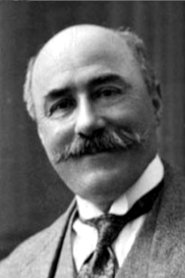
Ferdinand Zecca
Actor & Director
Born: February 19, 1864 in Paris, France Died: March 8, 1947 Active: 1900-1919
Films
16 films
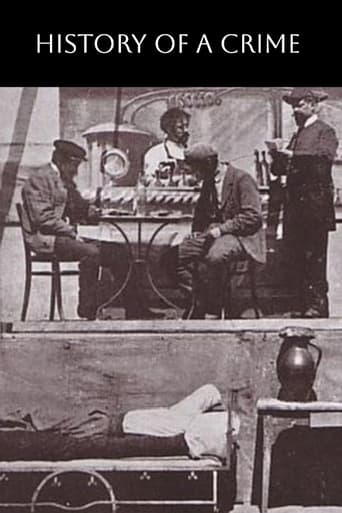
History of a Crime
1901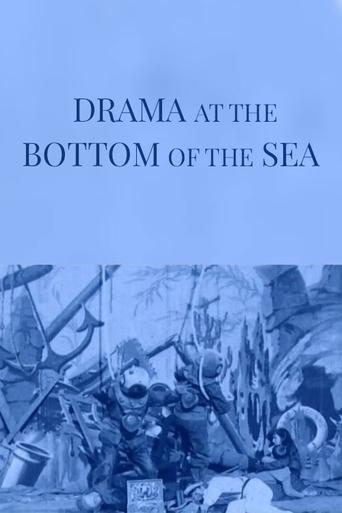
Drama at the Bottom of the Sea
1901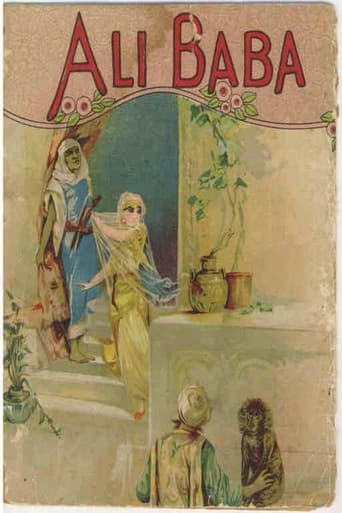
Ali Baba and the Forty Thieves
1902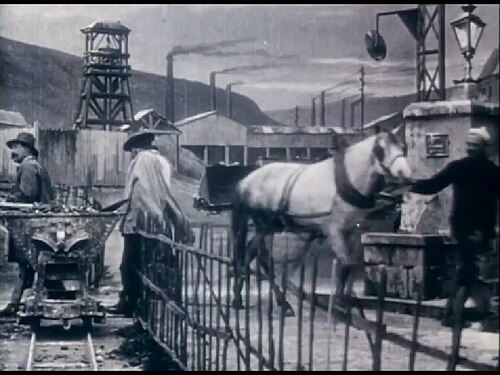
Down in the Coal Mines
1905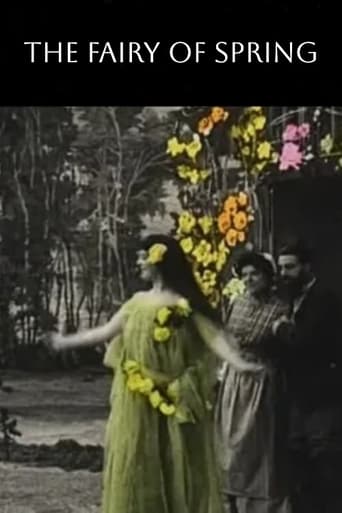
The Fairy of Spring
1902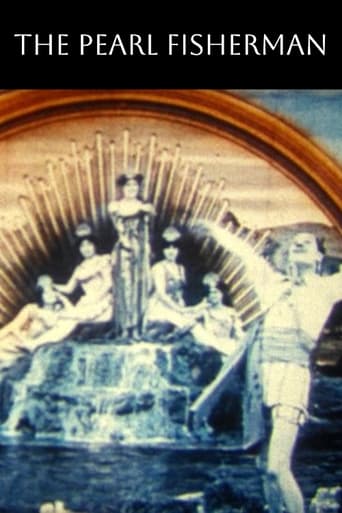
The Pearl Fisherman
1907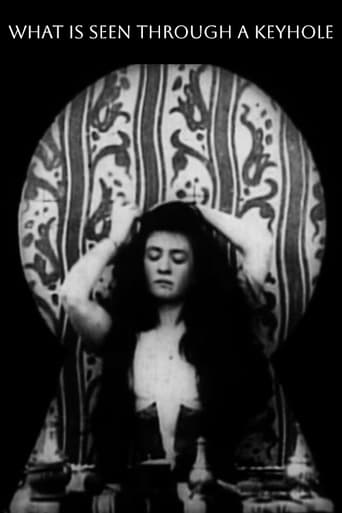
What Is Seen Through a Keyhole
1901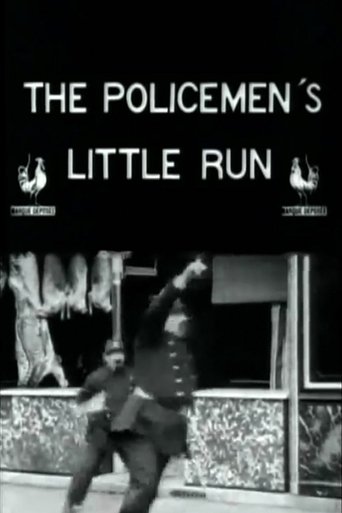
The Policemen's Little Run
1907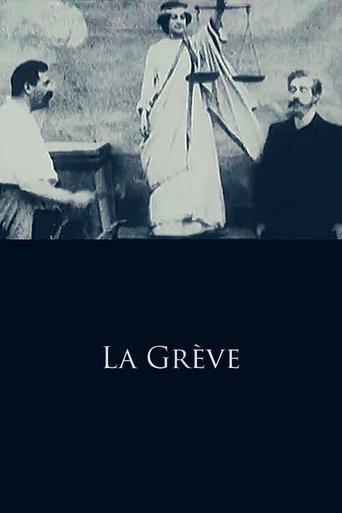
The Strike
1904
Alcohol and Its Victims
1902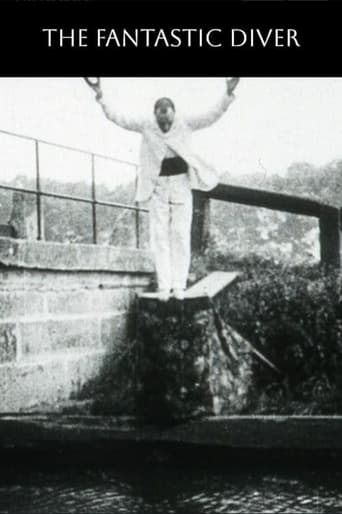
The Fantastic Diver
1906
Dream and Reality
1901No Poster
Ingenious Soubrette
1902
The Fantastic Plunger
1901
Rigadin in the Balkans
1912About Ferdinand Zecca
French filmmaker who in the development of early cinema during the silent era. Beginning his career as a theater actor and café-concert performer, Zecca transitioned to film in 1900 when he was hired by Charles Pathé to direct films for Pathé Frères. He quickly became one of the studio's most important directors, creating innovative narrative films that helped establish storytelling conventions in cinema. Zecca directed numerous shorts between 1901-1907, including the influential crime film 'History of a Crime' (1901) which used innovative editing techniques to show simultaneous action. His films often featured spectacular effects, elaborate sets, and ambitious storytelling that pushed the boundaries of what was possible in early cinema. After his directing career, Zecca moved into production and administrative roles at Pathé, eventually becoming head of production. He retired from the film industry in 1919 but on cinematic history through his technical innovations and narrative experiments.
The Craft
On Screen
Zecca's acting style was typical of the early silent era, featuring exaggerated gestures and dramatic expressions to convey emotion without dialogue. In 'History of a Crime,' he played the criminal protagonist with theatrical intensity, using broad physical movements and facial expressions that were necessary for audiences to understand character motivations in the absence of intertitles. His performances were influenced by his background in theater and café-concert entertainment.
Behind the Camera
Zecca's directing style was innovative for its time, characterized by elaborate sets, special effects, and complex narrative structures. He pioneered techniques such as cross-cutting to show simultaneous action, superimposition for ghostly effects, and elaborate camera tricks. His films often featured moral themes and spectacular set pieces, combining elements of melodrama, comedy, and fantasy. Zecca was particularly skilled at creating visual spectacle while maintaining narrative coherence.
Milestones
- Hired by Pathé Frères in 1900 as director
- Directed 'History of a Crime' (1901), an early masterpiece of narrative cinema
- Created innovative special effects techniques
- Directed over 100 short films in the early 1900s
- Became head of production at Pathé
- Pioneered editing techniques for narrative storytelling
Best Known For
Iconic Roles
Must-See Films
Accolades
Special Recognition
- Recognized as a pioneer of French cinema
- Honored in early film retrospectives for his contributions to cinematic technique
Working Relationships
Worked Often With
Studios
Why They Matter
Impact on Culture
Ferdinand Zecca's impact on early cinema was profound and far-reaching. His film 'History of a Crime' (1901) is considered a landmark in narrative cinema, introducing sophisticated editing techniques that would become standard in filmmaking. The film's use of cross-cutting to show simultaneous action was revolutionary and influenced countless directors who followed. Zecca's work helped establish Pathé as the dominant film studio in Europe during the early 1900s. His innovations in special effects, including superimposition and elaborate set design, pushed the boundaries of what was possible in cinema and helped establish film as a legitimate artistic medium. Many of his narrative techniques and visual effects became standard practices in the industry.
Lasting Legacy
Ferdinand Zecca's legacy lies in his crucial role in establishing narrative cinema as a dominant form of entertainment. While less famous than contemporaries like Georges Méliès, Zecca's contributions to film language and technique were arguably more influential on mainstream cinema development. His editing innovations, particularly his use of cross-cutting and parallel action, became fundamental tools in cinematic storytelling. Zecca helped transform film from a novelty attraction into a narrative art form capable of complex storytelling. His work at Pathé helped establish the studio system that would dominate film production for decades. Today, film scholars recognize Zecca as a key figure in the transition from cinema of attractions to narrative cinema.
Who They Inspired
Zecca influenced generations of filmmakers through his technical innovations and narrative experiments. His editing techniques in 'History of a Crime' anticipated the development of continuity editing that would become standard in Hollywood cinema. Directors like D.W. Griffith and Edwin S. Porter built upon Zecca's innovations in cross-cutting and parallel action. His work in special effects influenced fantasy and science fiction filmmakers throughout the silent era. Zecca's approach to combining spectacle with narrative helped establish the blockbuster model that continues to dominate commercial cinema. His films were widely distributed internationally, spreading his techniques to filmmakers across Europe and America.
Off Screen
Ferdinand Zecca was born into a working-class family in Paris and began his entertainment career in the popular café-concert venues of the city. He married and had children, though specific details about his family life are scarce in historical records. His transition from live performance to cinema coincided with the birth of the film industry, positioning him as one of its earliest practitioners. Zecca remained with Pathé throughout his entire film career, demonstrating remarkable loyalty to the studio that gave him his start.
Education
Limited formal education, typical of working-class Parisians of his era. His training came primarily through practical experience in theater and entertainment venues rather than academic institutions.
Family
- Unknown - historical records do not provide detailed information about his marital status
Did You Know?
- Was originally hired by Pathé as a cleaner but was promoted to director after demonstrating creative talent
- Directed over 100 films during his career, though many are now lost
- His film 'History of a Crime' was one of the first to use editing for dramatic effect rather than just documentation
- Worked closely with magician-turned-filmmaker Georges Méliès, sharing techniques and ideas
- Helped establish Pathé's dominance in the early film market through his popular productions
- Was one of the first directors to use close-ups for dramatic emphasis
- His films were among the first to be color-tinted by hand for artistic effect
- Served in the French military during World War I, temporarily interrupting his film career
- After retiring from directing, he became a successful film producer and executive
- His innovations in editing were studied by early Soviet filmmakers like Eisenstein and Pudovkin
In Their Own Words
On early filmmaking: 'We were inventing cinema as we went along, each film a new experiment in what this marvelous machine could do'
On his role at Pathé: 'Charles Pathé gave me a camera and said, 'Show me something they've never seen before' - so that's what I did'
Frequently Asked Questions
Who was Ferdinand Zecca?
French filmmaker and on YTB.my. He was instrumental in developing narrative cinema techniques and directed influential films like 'History of a Crime' (1901). Zecca helped establish many of the editing and storytelling conventions that would become standard in cinema.
What films is Ferdinand Zecca best known for?
Titles linked here include History of a Crime (1901), Ali Baba and the Forty Thieves (1902).
When was Ferdinand Zecca born and when did he die?
Born February 19, 1864; died March 8, 1947.
What awards did Ferdinand Zecca win?
During his lifetime, formal film awards did not exist as they do today. However, Zecca is recognized by film historians as a pioneer of cinema and his innovations in editing and narrative techniques earned him lasting recognition in film history retrospectives.
What was Ferdinand Zecca's directing style?
Zecca's directing style was innovative and experimental for its time, featuring elaborate sets, special effects, and complex narrative structures. He pioneered techniques like cross-cutting for simultaneous action and superimposition for ghostly effects. His films combined visual spectacle with moral themes and helped establish narrative cinema as a dominant art form.