What Is Seen Through a Keyhole
"A janitor peeps through a keyhole and pays the price."
Keys: Space play/pause · ←/→ 10s · F fullscreen · M mute · </> speed
About this film
Pathé film number 380, also known as "What Happened to the Inquisitive Janitor" (US) and "Peeping Tom" (UK). It should not be confused with its remake from 1905 also titled What is Seen Through a Keyhole, a film now considered lost. As a janitor is cleaning a hotel, he decides to peek through the keyholes to observe some of the guests in their rooms. In room 8, a woman is busy making herself look more attractive, and the janitor enjoys watching her. There are also some interesting things going on in the other rooms on the floor.
Cast & crew
More films like this
More Comedy films
View all →







More from Ferdinand Zecca
View all →
More about this film
About the production
Release date1901
ProductionPathé Frères
Filmed inParis, France
This film was produced during the early years of Pathé Frères' dominance in the international film market. As Pathé film number 380, it was part of the company's systematic cataloging system that helped them track and distribute their extensive catalog. The film was shot in Pathé's studio facilities in Paris, utilizing their advanced production techniques for the time. The hotel setting was likely created on a studio set, allowing for controlled lighting and camera positioning to achieve the keyhole perspective shots that were central to the film's concept.
Themes
VoyeurismCuriosityPrivacy vs. Public ObservationComedy of TransgressionHotel as Microcosm of Society
Themes & topics
Historical background
Released in 1901, What Is Seen Through a Keyhole reached audiences during the earliest projected-film era, when exhibition and production norms differed sharply from today's.
Why this film matters
What Is Seen Through a Keyhole is cited in databases and retrospective programs mapping 1901 cinema.
Making of
The production of 'What Is Seen Through a Keyhole' took place during a pivotal period in cinema history when filmmakers were transitioning from simple actualities to narrative fiction films. Director Ferdinand Zecca, who had joined Pathé in 1899, was instrumental in developing the company's narrative film production. The keyhole effect was likely achieved through practical means, possibly using a prop keyhole frame or camera tricks to create the voyeuristic perspective. The hotel setting was constructed as a studio set, allowing the filmmakers complete control over the environment and lighting. The cast consisted of Pathé's stock company of actors who appeared in numerous productions. The film was shot on 35mm film using Pathé's own camera equipment, as the company had vertically integrated production by manufacturing their own film stock and cameras. The simple but effective premise allowed for quick shooting and editing, essential for maintaining Pathé's high production volume during this period.
What critics said
Later retrospectives treat What Is Seen Through a Keyhole (1901) as representative the earliest projected-film era fare valued by archivists and genre historians.
Did you know?
- This film was Pathé production number 380, reflecting the company's massive output during the early 1900s when they were producing hundreds of films annually.
- The film was distributed under different titles in various markets: 'What Happened to the Inquisitive Janitor' in the United States and 'Peeping Tom' in the United Kingdom.
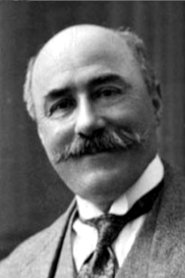
- Director Ferdinand Zecca was one of Pathé's most important early directors, responsible for numerous innovative films that helped establish narrative cinema.
- The film should not be confused with a 1905 remake of the same name, which is now considered lost.
- Keyhole perspective shots were a popular visual gimmick in early cinema, allowing filmmakers to create voyeuristic scenarios that titillated audiences while maintaining Victorian-era proprieties.
- At just one minute in length, this film was typical of the very short format of most commercial films in 1901, before feature-length narratives became common.
- The film's theme of voyeurism through keyholes would become a recurring trope in cinema, appearing in numerous films throughout the 20th century.
- Pathé Frères was the largest film company in the world during this period, with distribution networks spanning across Europe, North America, and other international markets.
Visual style
The cinematography in this 1901 film employed the basic techniques available to filmmakers of the era, with a stationary camera capturing the action from a fixed position. The most notable technical aspect was the keyhole perspective shots, which were likely achieved through creative framing or possibly the use of a prop keyhole to create the voyeuristic viewpoint. The film was shot in black and white on 35mm film using Pathé's own equipment, as the company controlled all aspects of production. Lighting would have been basic, primarily using natural light or simple artificial illumination available in early studios. The camera work was straightforward, focusing on clear storytelling through visual means, as was typical for films of this period when complex camera movements were rare. The hotel set design allowed for controlled composition and the creation of multiple distinct spaces within a single location.
Innovations
While technically simple by modern standards, this film demonstrated several achievements for its time. The keyhole perspective shots represented an early experiment with point-of-view cinematography, helping establish techniques that would become fundamental to film language. The film's clear narrative structure showed the maturation of storytelling capabilities in early cinema. As a Pathé production, it benefited from the company's advanced film stock and processing techniques, which were among the best in the industry at the time. The film's successful international distribution demonstrated Pathé's sophisticated approach to global marketing and adaptation. The efficient production methods employed allowed Pathé to maintain their high output while maintaining quality standards that helped establish their dominance in the early film market.
Music
As a silent film from 1901, this production had no synchronized soundtrack. During exhibition, musical accompaniment would have been provided live at the venue, typically by a pianist or small ensemble using whatever instruments were available. The music would have been selected to match the film's comedic tone, likely drawing from popular tunes of the era or improvisation based on the action on screen. The quality and style of musical accompaniment would have varied significantly depending on the venue, from elaborate orchestral presentations in prestigious theaters to simple piano accompaniment in smaller nickelodeons. Pathé sometimes provided suggested musical cues with their films, but for a production this brief and straightforward, the musical accompaniment would have been left to the discretion of the individual exhibitor.
Memorable scenes
- The janitor's initial discovery of the keyhole and his decision to peek, representing the moment of transgression that drives the narrative
- The scene in room 8 where the janitor watches the woman applying makeup, which serves as the central voyeuristic sequence
- The final discovery and comic consequences when the janitor is caught, providing the moral resolution and comedic payoff
What audiences thought
Early cinema audiences in 1901 would have found this film entertaining and amusing, as it combined the novelty of moving pictures with the titillating premise of peeking into private moments. The short, straightforward format was well-suited to the viewing habits of the time, when programs consisted of multiple short films rather than single features. The voyeuristic theme, while risqué for the period, was presented in a comedic context that made it acceptable for general audiences. The film's international success under different titles suggests it resonated with audiences across various cultures. The keyhole perspective would have been particularly impressive to early cinema viewers, who were still marveling at the basic capabilities of the medium. The film's brevity and clear visual storytelling made it accessible to audiences regardless of language or literacy level, contributing to its broad appeal.
Film connections
Influenced by
- Early French Comedic Tradition
- Music Hall and Vaudeville Performance Styles
- Georges Méliès' Fantasy Films
- Lumière Brothers' Actualities
This film influenced
- The 1905 remake of What Is Seen Through a Keyhole
- Various early 20th century voyeuristic comedies
- Hotel-themed comedies of the silent era
Film restoration
This film from 1901 survives and is preserved in film archives, making it accessible to researchers and cinema enthusiasts. Unlike its 1905 remake which is considered lost, this version has been maintained as part of early cinema heritage. The film exists in the collections of several major film archives and has been included in various compilations and restorations of early cinema. Digital copies have been made available through some archival databases and educational platforms, helping ensure its preservation for future generations. The survival of this film is particularly valuable given the loss of many films from this very early period of cinema history.
Where to watch
- Available through various film archive databases and educational platforms specializing in early cinema
- Included in some DVD collections of early French films or Pathé productions
- Accessible through certain library and university film collections
- Available on some streaming services specializing in classic and silent films
- Can be viewed at film museum screenings and retrospectives of early cinema