The Life and Passion of Jesus Christ
"No ascension spared"
Keys: Space play/pause · ←/→ 10s · F fullscreen · M mute · </> speed
About this film
life and passion of Jesus Christ, from the proclamation of his birth to his ascension into heaven.
Cast & crew
More films like this

More Drama films
View all →







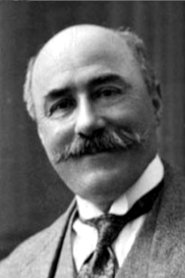
More from Ferdinand Zecca
View all →
More about this film
About the production
Release date1903
BudgetExact budget figures are not documented for this 1903 production, though it was considered an expensive undertaking for Pathé Frères due to its elaborate sets, costumes, and use of early color processes
Box officeBox office records from 1903 are not available, but the film was commercially successful internationally and was one of Pathé's most profitable releases of that year
ProductionPathé Frères
Filmed inParis, France - Pathé studio facilities
The film utilized the Pathécolor stencil coloring process, one of the earliest methods of adding color to motion pictures. Each frame was hand-colored by women workers using stencils, a laborious process that took months to complete. The production involved over 200 actors and extras, with elaborate costumes and props specifically designed for each biblical scene. The film was shot in multiple sequences that could be shown separately or as a complete feature, giving exhibitors flexibility in presentation.
Themes
Themes & topics
Biblical EpicJesus ChristCrucifixionResurrectionReligiousSilent FilmEarly CinemaTableaux VivantsHand-Colored FilmFrench Cinema
Historical background
Made in its country of production around 1903, The Life and Passion of Jesus Christ belongs to the first decade of projected film. Its story of life and passion of jesus christ, from the proclamation of his birth to his ascension into heaven spoke to audiences of the day through familiar genres and topical settings.
Why this film matters
Archivists and historians still cite The Life and Passion of Jesus Christ when tracing how the first decade of projected film filmmakers staged life and passion on screen.
Making of
The production of 'The Life and Passion of Jesus Christ' was a monumental undertaking for its time, requiring months of preparation and filming. Director Ferdinand Zecca, who had previously worked as a magician and theater director, brought theatrical sensibilities to the film's staging. The cast was composed largely of stage actors from Paris theaters, many of whom were initially skeptical about appearing in the new medium of cinema. The elaborate sets were constructed in Pathé's studio in Vincennes, with painted backdrops designed to resemble classical religious paintings. The hand-coloring process involved teams of women working in factory-like conditions, each specializing in applying specific colors to the film frames. The production faced challenges with the primitive camera equipment of the era, requiring multiple takes for many scenes due to technical failures. The film's success established Pathé as a major international film producer and demonstrated the commercial viability of feature-length narrative cinema.
What critics said
Reviews from 1903 weighed The Life and Passion of Jesus Christ on pacing, performance, and novelty. Later criticism reads its emphasis on life, passion, jesus through modern standards of craft and representation.
Did you know?
- This was one of the first feature-length films ever made, predating most other early narrative features by several years
- The film was so popular that it was still being shown in theaters as late as the 1920s, nearly two decades after its release
- Pathé created multiple versions of the film for different international markets, with varying running times and scene selections
- The hand-coloring process used in required up to 12 different color stencils per frame, making it extremely labor-intensive
- The film was originally distributed in 27 separate scenes, which could be shown individually or as a complete program
- Madame Moreau, who played the Virgin Mary, was a stage actress who had never appeared in films before this production
- The crucifixion scene was considered so realistic and potentially controversial that some exhibitors chose to omit it from their presentations
- The film's success led to a wave of biblical epics in the following decade, establishing a new genre in cinema
- A complete original print of the film was discovered in the Netherlands in the 1970s, allowing for proper restoration
- The production used real locations in and around Paris for some outdoor scenes, unusual for the period when most filming was done entirely indoors
Visual style
The cinematography reflects the technical limitations and artistic conventions of 1903, utilizing static camera positions typical of early cinema. The film employs long takes that capture entire scenes in single shots, creating a theatrical presentation style. The use of Pathécolor stencil coloring adds visual richness to key scenes, with careful attention to symbolic color choices - blues for holy figures, reds for moments of passion, and gold for divine elements. The lighting is primarily natural and flat, characteristic of the period's technical capabilities, but is enhanced by the painted backdrops and costumes designed to maximize visual impact. The framing often mimics the composition of religious paintings, with careful attention to creating balanced, symmetrical compositions that would be familiar to contemporary audiences from church art.
Innovations
The film's most significant technical achievement was its extensive use of the Pathécolor stencil coloring process, one of the earliest successful methods for adding color to motion pictures. Each frame was hand-colored through stencils, allowing for precise application of multiple colors. The production also pioneered techniques for creating large-scale biblical sets within the constraints of early studio spaces. The film demonstrated advanced continuity editing for its period, with scenes carefully sequenced to create a coherent narrative arc. Its length of 44 minutes was remarkable for 1903, pushing the boundaries of what was considered possible in feature filmmaking. The production also developed new methods for crowd control and directing large groups of extras in complex scenes.
Music
As a silent film, it was originally presented with live musical accompaniment, typically consisting of organ music or small orchestral ensembles. Pathé provided suggested musical cues for exhibitors, recommending appropriate pieces for each scene - somber music for the crucifixion, triumphant themes for the resurrection, etc. Some presentations included a live narrator who would read biblical passages or explain the action between scenes. The musical accompaniment was crucial to the emotional impact of the film, with many venues commissioning original scores or adaptations of classical religious music. The recommended soundtrack often included works by composers like Bach and Handel, whose music was in the public domain and familiar to audiences.
Famous quotes
As a silent film, there are no spoken dialogue quotes, but intertitles included biblical passages such as 'Verily, I say unto you, one of you shall betray me' and 'It is finished'
Memorable scenes
- The Annunciation scene with the angel appearing to Mary surrounded by divine light
- The Sermon on the Mount with Jesus addressing a large crowd on a hillside
- The Last Supper with the apostles arranged in a composition reminiscent of Leonardo da Vinci's painting
- The Crucifixion sequence, particularly powerful in its simplicity and emotional impact
- The Resurrection scene with the empty tomb and angelic figures
- The Ascension finale with Jesus rising into the heavens above the disciples
What audiences thought
The film was enormously popular with audiences worldwide, reportedly drawing large crowds in both religious and secular venues. Many viewers reported being deeply moved by the crucifixion and resurrection scenes, despite the primitive nature of the film technology. Church groups both praised and criticized the production - some welcomed it as a tool for religious education, while others objected to the commercialization of sacred stories. The film's popularity led to repeat viewings by many audience members, unusual for the period when most films were seen only once. Its success across different countries and cultures demonstrated the universal appeal of its subject matter and helped establish cinema as a medium capable of addressing profound human experiences.
Film connections
Influenced by
- Classical Religious Paintings
- Passion Plays
- Tableaux Vivants Theater
- Biblical Illustrations
- Catholic Iconography
- Mystery Plays
This film influenced
- From the Manger to the Cross (1912)
- Intolerance (1916)
- The King of Kings (1927)
- The Ten Commandments (1923)
- Ben-Hur (1925)
- The Gospel According to Matthew (1964)
- The Passion of the Christ (2004)
- Jesus of Nazareth (1977)
Film restoration
The film has been partially preserved with several versions existing in different archives around the world. A complete 44-minute version was discovered and restored in the 1970s by the Cinémathèque Française. The restored version includes the original hand-coloring and has been preserved on safety film stock. Some shorter versions and individual scenes exist in various archives including the Library of Congress, the British Film Institute, and the Museum of Modern Art. The restoration work has been ongoing, with digital versions created to ensure long-term preservation of this important early film.
Where to watch
- Available on DVD from several specialty distributors of classic films
- Streaming on The Criterion Channel and other classic film services
- Viewable at film archives and museums including the Cinémathèque Française in Paris
- Available for educational viewing through university film departments
- Occasionally screened at classic film festivals and special cinema events
- Accessible through some online archives specializing in public domain films