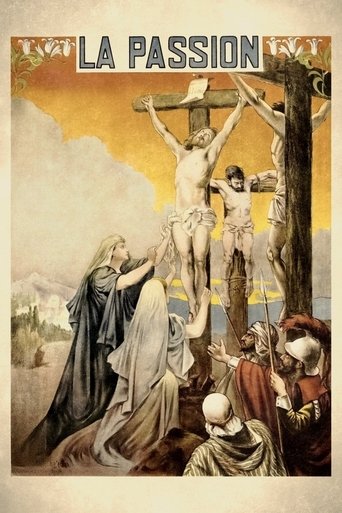
Films
1 film
About Madame Moreau
This archive lists one role for Madame Moreau: The Life and Passion of Jesus Christ (1903). Her performance in this Pathé production placed her among the first generation of film actors, working during a time when acting techniques were still being developed for the camera. The film was ambitious productions of its time, requiring actors to convey deep religious emotion through the limited means of silent performance. Madame Moreau's role, like those of her contemporaries, would have required the exaggerated gestures and facial expressions typical of early silent film acting, designed to communicate meaning to audiences without dialogue. Her career appears to have been brief, with this single known film credit representing her contribution to early cinema history.
The Craft
On Screen
Employed the theatrical, exaggerated style typical of early silent film performance, using broad gestures and expressive facial features to convey emotion and narrative without dialogue
Milestones
- Appeared in 'The Life and Passion of Jesus Christ' (1903), one of the earliest feature-length religious films
- Participated in Pathé productions during cinema's formative years
- Contributed to early French cinema's development
Best Known For
Iconic Roles
Must-See Films
Working Relationships
Worked Often With
Studios
Why They Matter
Impact on Culture
Madame Moreau represents the generation of performers who helped establish the language of cinema acting during its infancy. Her participation in one of the earliest religious epics contributed to the development of film as a medium for serious artistic and spiritual expression. Though her individual legacy is largely lost to history, she was part of the foundational group of actors who transitioned from stage to screen, helping to define how emotions and narratives could be conveyed through the new medium of motion pictures.
Lasting Legacy
As one of the earliest known film actors, Madame Moreau's legacy is tied to the era of cinema when the art form was still establishing its conventions and techniques. Her work in 'The Life and Passion of Jesus Christ' places her among the first generation of performers to appear in feature-length narrative films, contributing to the evolution of film acting from theatrical performance to a distinct cinematic art form.
Who They Inspired
While specific details about Madame Moreau's influence on other performers are not documented, she was part of the collective group of early film actors who established the foundational techniques of screen acting that would be refined and developed by subsequent generations of performers.
Off Screen
Very little is known about Madame Moreau's personal life, which was typical for many early film actors whose biographical details were not preserved in historical records. Like many performers of her era, she may have been primarily known by a stage name rather than her birth name.
Did You Know?
- Appeared in what was considered
- Worked for Pathé,
- Participated in a film that was colorized using hand-tinting techniques
- Her film was distributed internationally and was one of the earliest examples of a global film hit
- The film she appeared in ran approximately 44 minutes, unusually long for its time
- Like many early film actors, she was likely more established on the stage than in film
- Her performance would have been captured using the primitive cameras and film stock of the early 1900s
Frequently Asked Questions
Who was Madame Moreau?
Screen credits include the 1903 silent film 'The Life and Passion of Jesus Christ,' one of the earliest feature-length religious films produced by Pathé studios during cinema's era.
What films is Madame Moreau best known for?
Titles linked here include The Life and Passion of Jesus Christ (1903).
When was Madame Moreau born and when did she die?
Unfortunately, biographical details about Madame Moreau's birth and death dates are not available in historical records, which is common for many early film actors whose personal information was not preserved.
What awards did Madame Moreau win?
Madame Moreau did not receive any formal awards or recognition, as the film industry's award system had not yet been established in 1903 when she was active.
What was Madame Moreau's acting style?
Like most actors of the early silent era, Madame Moreau employed a theatrical acting style with exaggerated gestures and expressive facial features, necessary to convey emotion and story to audiences without the benefit of dialogue or synchronized sound.