History of a Crime
"1901 French film"
Keys: Space play/pause · ←/→ 10s · F fullscreen · M mute · </> speed
About this film
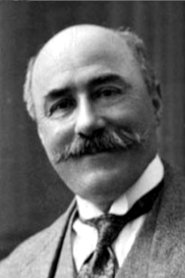
French silent film directed by Ferdinand Zecca and distributed by Pathé Frères. The film stars Jean Liézer as the murderer and was based on a contemporary tableau series titled "L'histoire d'un crime" at the Musée Grévin.
Cast & crew
More films like this


More Drama films
View all →







More from Ferdinand Zecca
View all →
More about this film
About the production
Release date1901
BudgetNot documented - typical early 1900s Pathé production costs were minimal
Box officeNot tracked in modern terms for 1901 releases
ProductionPathé Frères
Filmed inParis, France
This film was part of Pathé's ambitious series of narrative films that pushed the boundaries of early cinema. Director Ferdinand Zecca employed innovative techniques including superimposition for the dream sequences and careful staging to create psychological depth. The production required multiple sets to depict different crime scenarios and the prison cell, demonstrating Pathé's commitment to elaborate productions despite the film's short length. The use of flashback narrative was revolutionary for its time, showing how early filmmakers were already experimenting with complex storytelling structures.
Themes
Guilt and redemptionThe psychological consequences of crimeMemory and dreamsMoral responsibilityJustice and punishment
Themes & topics
criminalexecutiondream sequenceflashbackprisonguiltredemptionpsychological dramacrime narrativemoral awakeningdeath rowlife reviewconsciencemoral consequencescriminal psychology
Historical background
Contemporary records classify History of a Crime (1901) as 1901 french film, placing it within the earliest years of projected motion pictures.
Why this film matters
History of a Crime (1901) helps trace genre evolution, performer careers, and the material conditions of silent exhibition.
Making of
The production of History of a Crime took place during a period of rapid innovation at Pathé, where Ferdinand Zecca was establishing himself as one of cinema's first auteurs. The film was shot in Pathé's Paris studios using their newly developed camera equipment. Zecca worked closely with his small cast to achieve the emotional depth required for the psychological elements, particularly the dream sequences which required careful staging and performance. The technical team experimented with early special effects techniques to create the ethereal quality of the dream sequences, including multiple exposure photography that was cutting-edge for 1901. The production faced challenges in creating convincing prison and crime scenes within the limited studio space, leading to innovative use of props and set design. The film's success led Pathé to commission more psychologically complex narratives from Zecca, establishing a pattern of sophisticated storytelling that would influence French cinema for years to come.
What critics said
Where contemporary reviews survive, History of a Crime is discussed in terms of audience appeal at release; later criticism often reframes it through archive restoration and festival programming.
Did you know?
- One of the earliest films to use a dream sequence as a central narrative device, predating similar techniques by decades
- Director Ferdinand Zecca was originally a café entertainer before joining Pathé and becoming one of cinema's first important directors
- The film was produced during Pathé's golden age when they dominated global film production and distribution
- This film is considered a precursor to the psychological thriller genre, exploring the criminal mind decades before film noir
- The execution scene was particularly controversial for its time, with some critics calling it too graphic for audiences
- The film used innovative editing techniques including what might be considered early cross-cutting between the present and dream sequences
- It was one of the first films to attempt moral complexity rather than simple good vs. evil narratives
- The film's structure influenced later French directors including Georges Méliès, who also experimented with dream sequences
- Pathé distributed this film globally, making it one of the first international psychological narratives
- The criminal's reflection sequence anticipated later cinematic techniques for showing character psychology and memory
Visual style
The cinematography of History of a Crime employed the techniques and technology available in 1901, but pushed them to their limits to achieve its artistic vision. The film was shot in black and white using hand-cranked cameras, requiring careful planning for the dream sequences which used innovative superimposition techniques. The cinematographer worked closely with director Ferdinand Zecca to create distinct visual styles for the reality and dream sequences, using lighting and composition to differentiate between the two. The prison scenes were shot with high contrast lighting to create a somber, oppressive atmosphere, while the dream sequences used softer focus and ethereal lighting. The camera work was static, as was typical for the period, but the staging within the frame was dynamic, with careful blocking to convey the psychological states of the characters. The film used close-up shots sparingly but effectively, particularly for the criminal's face during moments of reflection. The cinematography successfully created visual variety within the limited technical means of the era, demonstrating how early filmmakers used artistic creativity to overcome technical limitations.
Innovations
History of a Crime achieved several technical innovations that were significant for 1901. The film's use of superimposition for the dream sequences was cutting-edge, requiring careful exposure and processing to create the ethereal effect. The editing techniques, including what could be considered early cross-cutting between present and dream states, demonstrated sophisticated understanding of narrative construction. The film also employed innovative set design techniques to create multiple distinct environments within the limited studio space. The special effects used for the dream sequences, while simple by modern standards, were advanced for their time and required considerable technical skill to execute properly. The film's pacing and rhythm showed advanced understanding of how to build emotional tension and release through editing and performance. The production also demonstrated early mastery of continuity editing, maintaining consistent geography and character positioning across different shots. These technical achievements helped establish new possibilities for narrative cinema and influenced subsequent developments in film language and technique.
Music
As a silent film, History of a Crime was originally presented with live musical accompaniment, typically provided by a pianist or small orchestra in theaters. The musical score would have been chosen to enhance the film's emotional impact, with somber, dramatic music for the prison scenes and more ethereal, dream-like music for the flashback sequences. The music would have followed the established conventions of the era, using familiar melodies and classical pieces that audiences would recognize. The execution scene would have been accompanied by particularly dramatic and tense music to heighten the emotional impact. The musical accompaniment was crucial to the film's effectiveness, helping to convey the psychological states and emotional journey of the protagonist. Modern restorations and presentations of the film often feature newly composed scores that attempt to recreate the emotional impact of the original accompaniment while using contemporary musical language. The soundtrack, while not recorded, was an integral part of the original viewing experience and contributed significantly to the film's power and effectiveness.
Famous quotes
As a silent film, dialogue was conveyed through intertitles and visual performance rather than spoken words
Memorable scenes
- The dream sequence where the criminal's past crimes flash before his eyes, using innovative superimposition techniques to create an ethereal, ghostly quality. The scene transitions from the stark reality of the prison cell to a surreal landscape of memories, with each crime appearing as a shadowy vignette. The criminal's face, shown in close-up, reflects the emotional weight of these memories as they cascade across the screen. This sequence was revolutionary for its time, demonstrating cinema's ability to visualize psychological states and internal conflicts. The scene culminates with the criminal awakening, having confronted his past and prepared himself for his fate.
What audiences thought
Audiences in 1901 responded positively to History of a Crime, finding its narrative structure engaging and its emotional content compelling. The film's psychological elements and moral themes resonated with viewers who were becoming accustomed to more sophisticated storytelling in cinema. The dream sequences were particularly popular, with audiences marveling at the technical achievement and the insight into the character's mind. Some viewers found the execution scene disturbing, but this also contributed to the film's powerful impact. The film's success at the box office demonstrated that audiences were ready for more complex narratives and psychological depth in cinema. The film was widely distributed internationally, with audiences in various countries responding to its universal themes of crime, guilt, and redemption. Modern audiences viewing the film in retrospectives and archival screenings continue to be impressed by its innovation and emotional power, considering it remarkably sophisticated for its era.
Film connections
Influenced by
- Stage melodramas of the 19th century
- Dostoevsky's psychological novels
- French literary realism
- Theatrical traditions of moral drama
- Early crime literature
- Religious allegory traditions
- Victorian moral tales
- Stage techniques for dream sequences
- Popular criminal biographies of the era
- Religious conversion narratives
This film influenced
- Les Misérables (1909)
- The Convict's Return (1910)
- The Prisoner of Zenda adaptations
- French poetic realism films of the 1930s
- Film noir psychological thrillers
- The Last Days of a Condemned Man adaptations
- Prison drama genre films
- Criminal rehabilitation narratives
- Death row dramas
- Psychological crime films
Film restoration
The preservation status of History of a Crime is partially preserved with some elements surviving in film archives. Fragments and possibly a complete version exist in the Cinémathèque Française collection and other early film archives. The film has been preserved on safety film and digital formats by various film preservation institutions. Some scenes may be lost or incomplete due to the deterioration of nitrate film stock over time. The film is occasionally screened at specialized film festivals and archival cinema events dedicated to early cinema. Restoration efforts have been undertaken by film preservationists, though the original color tinting (if any) may not have survived. The film is considered historically significant enough to warrant ongoing preservation efforts, ensuring its availability for future generations of film scholars and enthusiasts.
Where to watch
- Available through the Cinémathèque Française archive collections
- Screened at specialized early cinema retrospectives and film festivals
- Accessible through some academic film collections and university archives
- Occasionally shown at museum exhibitions focusing on early cinema
- Available through some specialized streaming services dedicated to classic films
- Viewable at the British Film Institute archive by appointment
- Present in the Library of Congress motion picture collection
- Accessible through European film archive digital projects
- Available on some DVD compilations of early cinema
- Screened at film society events dedicated to silent cinema