Films
3 films
About Bretteau
French actor who worked during the absolute infancy of cinema, appearing in some of the earliest narrative films ever produced. Active primarily in the late 1890s and early 1900s, Bretteau was part of the first generation of performers to transition from stage to the new medium of motion pictures. Like many early film actors, Bretteau was likely recruited from Parisian theatrical circles by the burgeoning Pathé studio, which was establishing itself as a dominant force in early European cinema. Bretteau's brief but significant film career coincided with the crucial period when filmmakers were discovering the narrative potential of the moving image. Bretteau's performances in religious and historical subjects helped establish early cinematic conventions for dramatic storytelling. While detailed records of their life and career are scarce due to the primitive state of film industry documentation during this era, their contributions to these landmark productions represent an important chapter in cinema history.
The Craft
On Screen
Bretteau's acting style reflected the theatrical traditions of the late 19th century, characterized by exaggerated gestures and dramatic expressions necessary to convey emotion in silent films. Like most early film actors, Bretteau employed broad physical movements and facial expressions that could be clearly understood by audiences without the benefit of synchronized sound. The acting approach was heavily influenced by stage melodrama, with performers using their entire bodies to communicate emotions and story points to the camera.
Milestones
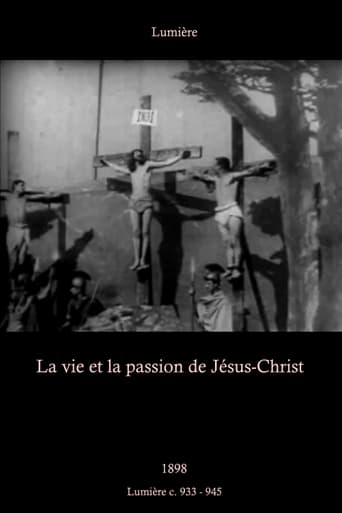
- Appeared in 'The Life and Passion of Jesus Christ' (1898), one of the earliest narrative feature films
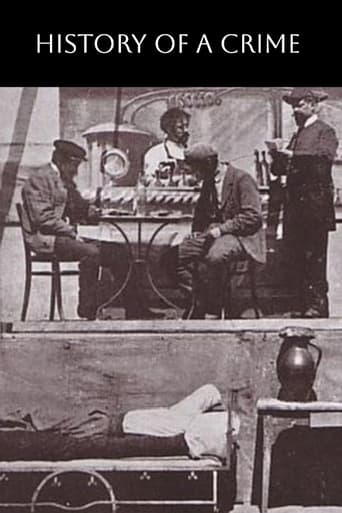
- Starred in 'History of a Crime' (1901), directed by Ferdinand Zecca
- Part of Pathé studio's early stable of actors during cinema's formative years
- Contributed to the development of early film acting techniques
- Participated in films that helped establish cinema as a narrative art form
Best Known For
Iconic Roles
Must-See Films
Accolades
Special Recognition
- Recognized as a figure in early French cinema
Working Relationships
Worked Often With
Studios
Why They Matter
Impact on Culture
Bretteau represents the crucial transitional period when cinema was evolving from mere technical novelty to legitimate storytelling medium. By participating in these early narrative films, Bretteau contributed to establishing fundamental acting techniques that would influence generations of film performers. The actor's work in religious and historical subjects helped demonstrate cinema's potential for serious dramatic content, moving beyond simple actualities and trick films. These early performances, while theatrical by modern standards, were essential in developing the visual language of film acting that would evolve throughout the 20th century.
Lasting Legacy
Bretteau's legacy lies in their contribution to cinema's foundational period, appearing in films that are now recognized as landmarks in early film history. Though individual names from this era are often forgotten, performers like Bretteau were essential in proving that cinema could support dramatic narrative and emotional storytelling. Their work survives as part of the historical record of cinema's birth, providing modern scholars and enthusiasts with glimpses into the earliest attempts at film performance. The actor's participation in these productions represents an important, if understated, chapter in the development of the seventh art.
Who They Inspired
As one of the earliest film actors, Bretteau's influence lies primarily in the nature of their work rather than in specific techniques or styles that can be traced to later performers. The theatrical approach to acting that Bretteau employed was typical of the era and would gradually evolve into more naturalistic film performances as the medium matured. The actor's work helped establish that moving pictures could support dramatic storytelling, paving the way for the sophisticated film acting that would develop in subsequent decades.
Off Screen
Very little is known about Bretteau's personal life, as was common for actors from this extremely early period of cinema. The lack of comprehensive biographical documentation reflects the primitive state of film industry record-keeping during the 1890s and early 1900s. Like many early film performers, Bretteau was likely primarily a stage actor who made a brief foray into the new medium of motion pictures before returning to theatrical work or leaving performance entirely.
Did You Know?
- Appeared in films during the very birth of cinema, when motion pictures were still considered a technical novelty
- Worked with Pathé,
- Participated in 'The Life and Passion of Jesus Christ,' which was remade multiple times and became
- The films Bretteau appeared in were among the first to demonstrate cinema's potential for narrative storytelling
- Early film actors like Bretteau often performed multiple roles within a single production due to small cast sizes
- The acting techniques used in these films were heavily influenced by 19th-century theatrical traditions
- Very few actors from this period are remembered by name, as cinema had not yet established the star system
- The films were shot using primitive equipment and required actors to perform under difficult conditions
- These early productions often used painted backdrops and theatrical props rather than realistic sets
- Bretteau's active years covered the crucial transition period when cinema was evolving from actualities to narrative films
Frequently Asked Questions
Who was Bretteau?
French with credits in this catalog.
What films is Bretteau best known for?
Titles linked here include The Life and Passion of Jesus Christ (1898), History of a Crime (1901).
When was Bretteau active in films?
Bretteau's film career was brief but historically significant, spanning from 1898 to 1901 during the crucial formative years of cinema.
What was Bretteau's acting style?
Bretteau's acting style reflected 19th-century theatrical traditions, using exaggerated gestures and dramatic expressions typical of early silent film performances.
Why is Bretteau important in film history?
Bretteau represents the first generation of film actors who helped establish cinema as a narrative art form, contributing to foundational films that demonstrated the medium's storytelling potential.