Films
1 film
About Jean Liézer
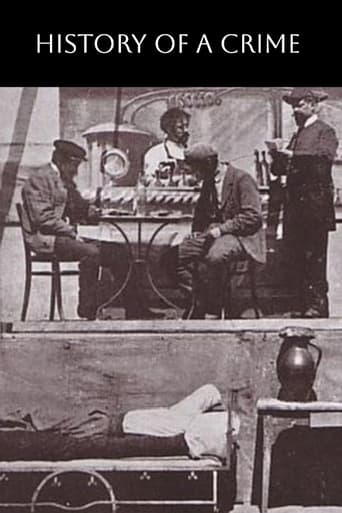
The 1901 film History of a Crime is the only title linked here for Jean Liézer. Making his mark in the 1901 film 'History of a Crime' directed by Ferdinand Zecca for Pathé. This was during the nascent period of French cinema when filmmakers were first discovering the narrative potential of the moving image. Liézer was part of the first generation of actors to transition from stage to screen, though his career appears to have been extremely brief, limited to this single documented film appearance. The film itself was for its time, using innovative techniques like close-ups and a clear narrative structure to tell the story of a crime and its consequences. Like many early film actors, Liézer likely came from a theatrical background, as the film industry had not yet established itself as a distinct profession. His contribution, while small in scope, represents the important work of performers who helped establish the foundation of cinematic acting during cinema's formative years.
The Craft
Milestones
- Appeared in 'History of a Crime' (1901), one of the earliest narrative films
Best Known For
Iconic Roles
Must-See Films
Working Relationships
Worked Often With
Studios
Why They Matter
Impact on Culture
Jean Liézer represents the generation of actors who helped establish the foundation of cinematic performance during the birth of narrative filmmaking. His appearance in 'History of a Crime' places him among the very first actors to perform in a structured narrative film, contributing to the evolution of film acting from theatrical presentations to a more intimate, camera-aware style. Though his career was brief, his work exemplifies the crucial transition period when performers were learning to adapt their craft for the new medium of cinema, helping establish techniques that would influence generations of film actors to follow.
Lasting Legacy
As one of the earliest documented film actors, Jean Liézer's legacy lies in his participation in the foundational development of cinema as an art form. His work in 1901 represents a crucial moment in film history when the medium was transitioning from simple actualities to narrative storytelling. While his name may not be widely recognized today, his contribution is part of the collective effort of early pioneers who established the basic principles of film performance and narrative structure that would evolve into the sophisticated cinema we know today.
Who They Inspired
Due to the extremely early date of his work and limited documentation, specific influences of Jean Liézer on other performers cannot be definitively traced. However, as part of the first generation of film actors, he contributed to the early development of screen acting techniques that would influence subsequent performers in the emerging film industry.
Off Screen
Very little is known about Jean Liézer's personal life, which is typical for actors from the earliest period of cinema when detailed biographical records were not maintained for film performers.
Did You Know?
- 'History of a Crime' (1901) was one of the first films to use close-up shots effectively
- The film was directed by Ferdinand Zecca, a French filmmaker
- Pathé was
- 1901 was during the very early days of narrative cinema - most films were under 5 minutes
- Early film actors like Liézer were often stage actors who did occasional film work
- No other film credits for Jean Liézer have been documented
- The film was innovative for its time, showing the crime and its consequences
- Early cinema often didn't credit actors by name in the films themselves
- French cinema was the world leader in film production during this period
- Many early film performers' biographies were lost to history due to poor record-keeping
Frequently Asked Questions
Who was Jean Liézer?
Screen credits include the 1901 film 'History of a Crime,' making him one of the earliest documented film actors during the birth of narrative cinema. His career appears to have been limited to this single film appearance.
What films is Jean Liézer best known for?
Titles linked here include History of a Crime (1901).
When was Jean Liézer born and when did he die?
Unfortunately, the birth and death dates of Jean Liézer are not documented, which is common for actors from the very earliest period of cinema when detailed biographical records were not maintained.
What awards did Jean Liézer win?
Jean Liézer did not receive any formal awards or recognition, as the film industry's award system had not yet been established in 1901, and cinema was still in its experimental phase.
What was Jean Liézer's acting style?
Specific details about Jean Liézer's acting style are not documented, but actors of this period typically used exaggerated, theatrical techniques adapted from stage performance, as the subtleties of film acting had not yet been developed.