The Strike
"The wife of one of them kills the factory owner."
Keys: Space play/pause · ←/→ 10s · F fullscreen · M mute · </> speed
About this film
During a strike, several workers are killed in a confrontation. The wife of one of them kills the factory owner. At her trial, the owner's son asks for mercy, knowing that his father was wrong.
Cast & crew
More films like this

More Drama films
View all →







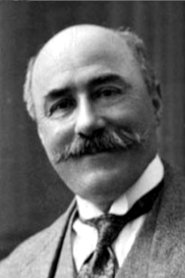
More from Ferdinand Zecca
View all →
More about this film
About the production
Release date1904 (exact month unknown)
Box officeNo records available - box office tracking was not standardized in 1904
ProductionPathé Frères
Filmed inParis, France (likely Pathé studio facilities)
was produced during the peak of Pathé's dominance in early cinema, utilizing their state-of-the-art studio facilities in Vincennes, near Paris. The production would have been shot on 35mm film with hand-cranked cameras, requiring careful choreography for the crowd scenes depicting the strike. The film's social realist themes were relatively daring for the period, reflecting growing labor tensions in industrial France. Like many films of this era, it was likely shot in sequence with minimal editing, and intertitles would have been added to explain the narrative progression.
Themes
Class conflictLabor rightsJustice and mercySocial responsibilityIndustrialization
Themes & topics
Historical background
Production circa 1904 meant fixed cameras, intertitles or early sound rigs, and studio economies that shaped every scene in The Strike.
Why this film matters
Historians treat The Strike as evidence of what typical 1904 audiences could see in a program slot.
Making of
The production of 'The Strike' took place during a revolutionary period in cinema's development. Ferdinand Zecca, as Pathé's creative director, was pioneering narrative filmmaking techniques that would influence generations of filmmakers. The cast would have consisted of stage actors from Parisian theaters, as dedicated film actors did not yet exist. The striking workers scenes required coordinating large groups of extras, a significant challenge for early film production. The film's sets were likely constructed in Pathé's glass studio buildings, which allowed for natural lighting while providing controlled conditions. The murder scene would have been particularly challenging to stage believably within the technical constraints of 1904 filmmaking. The courtroom finale required careful staging to convey the emotional weight of the son's testimony without dialogue. Like many Pathé productions of this era, the film was probably color-tinted by hand for certain scenes to enhance emotional impact, with red tones for violent moments and blue for somber scenes.
What critics said
Specialist critics today emphasize preservation when a viewable copy of The Strike survives.
Did you know?
- This is considered one of the earliest narrative films to explicitly address labor disputes and class conflict
- Director Ferdinand Zecca was Pathé's head of production and one of cinema's first true auteurs
- The film was released during a period of significant labor unrest in France, including numerous strikes and worker demonstrations
- Pathé Frères was the largest film company in the world at the time of 's release
- The film's sympathetic portrayal of striking workers was unusual for commercial cinema of the period
- predates the establishment of many labor laws and workers' rights that would later be enacted in France
- The murder-revenge plot structure was innovative for its time, combining social commentary with dramatic entertainment
- Silent films of this era were often accompanied by live musical performance, with specific scores sometimes provided by the studio
- The film was likely distributed internationally through Pathé's extensive global distribution network
- 1904 was the same year that Pathé established its permanent theater chain, helping ensure films like this reached wide audiences
Visual style
The cinematography of The Strike reflects the technical limitations and aesthetic conventions of 1904. The film was likely shot using Pathé's proprietary cameras, which were hand-cranked and required careful operation to maintain consistent exposure. Static camera positions predominated, with the camera remaining fixed for each scene, a common practice in early cinema. The composition would have been theatrical in nature, with actors positioned to create clear visual narratives within the frame. Lighting would have relied primarily on natural light from the glass studio facilities, supplemented by arc lights when necessary. The film probably employed the tableau style of staging, with entire scenes playing out in long takes without editing. Visual storytelling was enhanced through the careful arrangement of actors and props to convey narrative information. The film may have utilized early special effects techniques for the murder scene, though these would have been rudimentary by modern standards. The visual aesthetic emphasized clarity and legibility over artistic experimentation, reflecting the primary goal of narrative comprehension.
Innovations
The Strike represents several technical achievements for its period, particularly in its ambitious narrative scope and social themes. The film's multi-scene structure, covering different locations and time periods, demonstrated the growing sophistication of cinematic storytelling in 1904. The coordination of crowd scenes depicting the strike required careful planning and execution, pushing the boundaries of what was technically possible in early film production. The film's use of intertitles to convey narrative information was relatively advanced for the period, helping audiences follow the complex plot developments. The production likely utilized Pathé's improved film stock and processing techniques, which were among the most advanced in the world at the time. The film's preservation of multiple narrative threads across its brief running time showed remarkable efficiency in storytelling. The technical execution of the murder scene, requiring careful timing and staging, demonstrated growing mastery of cinematic techniques. The film's distribution through Pathé's global network represented an achievement in international film distribution that few companies could match in 1904.
Music
As a silent film, The Strike would have been accompanied by live musical performance during exhibition. Pathé often provided suggested musical scores for their films, typically consisting of classical pieces or popular melodies appropriate to each scene's emotional tone. The strike scenes might have been accompanied by dramatic, militaristic music, while the murder sequence would have used tense, dissonant compositions. The courtroom finale likely required more somber, reflective music to underscore the emotional weight of the son's plea for mercy. Large urban theaters might have employed small orchestras, while smaller venues would have used a single pianist or organist. The musical accompaniment played a crucial role in conveying emotion and narrative progression in the absence of dialogue. Some theaters may have used sound effects, particularly for the violent confrontation scenes. The musical experience would have varied significantly between exhibition venues, as standardization of film accompaniment was still decades away.
Famous quotes
No recorded dialogue exists from this silent film - any quotes would be from intertitles, which are not preserved in available records
Memorable scenes
- The climactic courtroom scene where the factory owner's son dramatically pleads for mercy on behalf of his father's killer, creating a powerful moment of moral complexity and emotional catharsis that would have resonated strongly with early 20th century audiences
What audiences thought
Early 1900s audiences, particularly working-class viewers, likely responded strongly to The Strike's sympathetic treatment of labor issues. The film's dramatic narrative and clear moral framework would have been accessible to audiences still learning to understand cinematic storytelling. The combination of social relevance with personal tragedy probably resonated with viewers experiencing similar economic hardships. The film's relatively optimistic resolution, with mercy triumphing over vengeance, may have provided emotional satisfaction while still acknowledging the injustices of the industrial system. Contemporary accounts suggest that Pathé's dramatic films of this period were popular with urban audiences seeking both entertainment and emotional engagement. The film's themes would have been particularly relevant in industrial centers like Paris, Lyon, and Lille where labor tensions were high. Audience reactions to the film likely contributed to Pathé's continued production of socially conscious narratives throughout the 1900s.
Film connections
Influenced by
- Stage melodramas of the late 19th century
- Contemporary newspaper accounts of labor disputes
- Social realist literature of the period
- Earlier Pathé dramatic productions
- Theatrical traditions of French popular theater
This film influenced
- Later French social realist films of the 1920s and 1930s
- Soviet montage films dealing with labor themes
- Worker solidarity films of the 1930s
- French poetic realist films of the 1930s
- Later films addressing labor conflicts
Film restoration
The preservation status of The Strike (1904) is uncertain - many Pathé films from this period have been lost due to the unstable nature of early nitrate film stock. Some fragments or copies may exist in film archives such as the Cinémathèque Française or the Library of Congress, but a complete, restored version may not be available. The film's historical significance has led to ongoing searches for surviving copies in international archives and private collections. Some portions may exist only in truncated form or as part of compilation reels. The film's survival would depend on whether Pathé made safety copies or if it was distributed to regions with better preservation conditions. Early cinema preservation efforts were virtually non-existent in 1904, making the survival of films from this period particularly rare.
Where to watch
- Due to its age and uncertain preservation status, The Strike (1904) is likely not available through conventional streaming platforms. Potential viewing options might include: Film archive screenings (Cinémathèque Française, Library of Congress, British Film Institute), Academic film collections and university libraries, Early cinema compilation DVDs or Blu-rays that may include excerpts, Specialized film history websites that host public domain early films, Museum exhibitions on early cinema history. Viewers interested in should contact major film archives directly to inquire about access to any surviving materials or copies.