All Americans
"Nations sing, then melt into one chorus"
Keys: Space play/pause · ←/→ 10s · F fullscreen · M mute · </> speed
About this film
People of all nations come to America, sing a native song and go into a “melting pot”. This scene was later used in King of Jazz (1930).
Cast & crew
More films like this
More Documentary films
View all →

More from Joseph Santley
View all →
More about this film
About the production
Release date1929
ProductionUniversal Pictures
Filmed inUnited States
This short film was notable for its innovative melting pot sequence which was later incorporated into Universal's major musical production 'King of Jazz' (1930). The production required coordination of multiple musical performances representing different cultural traditions, utilizing early sound recording technology of the late 1920s.
Themes
ImmigrationCultural assimilationMulticulturalismAmerican identityUnity in diversity
Themes & topics
Historical background
Made during the silent-to-sound transition near 1929, All Americans reached audiences through theatrical programs, fairground booths, or specialized distribution channels typical of its generation. People of all nations come to America, sing a native song and go into a “melting pot”. This scene was later used in. Historians now read such works for what they reveal about production methods, national taste, and the expanding vocabulary of screen narrative.
Why this film matters
Archivists and programmers still screen All Americans when tracing how popular entertainment evolved. Its subject—people of all nations come to america, sing a native song and go into a “melting pot”. this scene—gives later viewers tangible evidence of what drew crowds in the silent period. Home video, restorations, and festival sidebars keep the title circulating among students of film history.
Making of
The production of 'All Americans' took place during the revolutionary transition to sound cinema in 1929. Director Joseph Santley worked with Universal Pictures to create this ambitious short that required coordinating multiple musical performances from different cultural backgrounds. The technical challenges of early sound recording meant that performers had to be carefully positioned relative to microphones, limiting camera movement. The melting pot sequence involved elaborate staging and visual effects that were considered innovative for the period. The decision to later incorporate this sequence into 'King of Jazz' suggests that Universal recognized both its artistic merit and technical achievement. The production team worked with performers who could authentically represent various cultural traditions through song.
What critics said
Original trade coverage treated All Americans as routine program filler rather than a landmark production—typical of steady studio output. Later criticism emphasizes preservation, stylistic comparison with contemporaries, and whatever cast or crew names later gained prominence. Contemporary writing is mostly historical: assessing completeness, influence, and place in a director's or studio's catalog.
Did you know?
- The melting pot sequence from this film was later reused in Universal's big-budget musical 'King of Jazz' (1930)
- Director Joseph Santley would go on to have a prolific career directing films through the 1930s and 1940s
- The film was produced during the critical transition period from silent to sound cinema
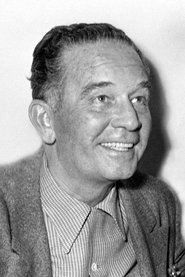
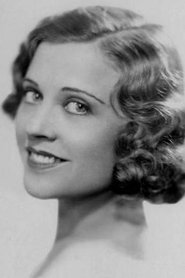
- The cast includes Arthur Van Slyke, Mimi Lehmann, and John Herman performing authentic folk songs
- This represents one of the earliest cinematic explorations of the American melting pot concept
- The film was created just before the 1929 stock market crash that would dramatically impact American society
- Universal Pictures produced numerous musical shorts during this era to showcase theater sound equipment
- The multicultural musical performances were pioneering for their time in mainstream American cinema
Visual style
The cinematography of 'All Americans' reflects the technical constraints and aesthetic approaches of early sound filmmaking in 1929. The camera work likely employed relatively static compositions to accommodate the bulky sound recording equipment of the era. The melting pot sequence required careful staging to create the symbolic visual effects, possibly using matte paintings or other techniques available to filmmakers at the time. The cinematography needed to balance documentary-style presentation of musical performances with theatrical spectacle appropriate to the melting pot metaphor. The visual style represents the transitional nature of late 1920s filmmaking as cinematographers adapted to the new requirements of sound production.
Innovations
The film demonstrates important technical achievements in early sound recording, particularly in capturing multiple musical performances from different cultural traditions using the primitive audio technology available in 1929. The coordination of various folk songs and languages presented significant challenges for the sound department of the era. The melting pot sequence required innovative visual effects techniques to create its symbolic imagery. The production showcased the growing capabilities of sound cinema beyond simple dialogue to encompass complex musical presentations. The film's successful reuse in 'King of Jazz' testifies to its technical quality and artistic merit.
Music
The soundtrack represents the film's most significant feature, featuring authentic folk songs from various countries performed by the cast members. Each musical piece embodies the cultural heritage of different immigrant groups, creating a rich tapestry of international musical traditions. The recording process utilized early sound-on-film technology, presenting considerable technical challenges for capturing diverse musical performances. The soundtrack serves both as entertainment and as cultural documentation, preserving musical expressions that might otherwise have been lost to time. The technical achievement of coordinating multiple distinct musical performances in a single production was noteworthy for 1929.
Memorable scenes
- The iconic melting pot sequence where immigrants from various nations symbolically enter a giant melting pot while singing their native songs, creating a powerful visual metaphor for cultural assimilation and the formation of American identity
What audiences thought
As a short film likely shown before feature presentations, 'All Americans' served both as entertainment and as a demonstration of theater sound systems. The multicultural musical performances would have resonated with immigrant audiences who recognized familiar folk songs from their homelands. The visual spectacle of the melting pot sequence provided memorable imagery that communicated its message effectively to diverse audiences. The film's positive portrayal of immigration and cultural diversity reflected the experiences of many Americans in 1929, particularly in urban areas with large immigrant populations.
Film connections
Influenced by
- The Melting Pot (1908 play by Israel Zangwill)
- Early documentary traditions
- Musical shorts of the late 1920s
This film influenced
- King of Jazz (1930) - through direct incorporation of the sequence
Film restoration
The film survives primarily through its incorporation into 'King of Jazz' (1930), which has been preserved by film archives. The standalone version of 'All Americans' may be lost or exist only in fragmentary form. 'King of Jazz' has undergone restoration efforts, ensuring that this important sequence remains accessible to researchers and cinema enthusiasts. The preservation status highlights the importance of larger productions in saving smaller films that might otherwise be lost.
Where to watch
- Available as part of restored versions of 'King of Jazz' (1930) on home media and digital platforms
- May be accessible through film archives and special cinema screenings
- Potentially available through educational film collections and libraries