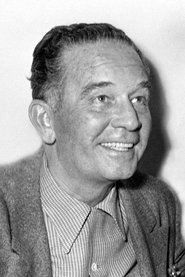
Joseph Santley
Director
Born: January 10, 1889 in Salt Lake City, Utah, USA Died: August 8, 1971 Active: 1921-1958 Birth Name: Joseph Mansfield Santley
Films
2 films
About Joseph Santley
Prolific American film director, producer, and screenwriter: over three decades in Hollywood. Born in Salt Lake City, Utah, he began his entertainment career as a vaudeville performer before transitioning to film direction in the silent era. Santley directed his first feature film in 1921 and quickly established himself as a reliable studio director, working across various genres including musicals, comedies, and dramas. During the 1930s and 1940s, he became particularly known for his work on musical films and B-movies for major studios like RKO and Republic Pictures. His most notable period came during the early sound era when he directed several successful musical comedies that capitalized on the public's fascination with talking pictures. Santley continued directing well into the 1950s, eventually transitioning to television work in the later years of his career. His final film credit came in 1958, marking the end of a remarkable 37-year career in motion pictures that saw him direct over 60 films.
The Craft
Behind the Camera
Joseph Santley was known for his efficient, workmanlike directing style that emphasized clarity and entertainment value. His approach to musical films was particularly noteworthy for its seamless integration of musical numbers into the narrative, a skill that proved valuable during the early sound era. Santley had a knack for working within budget constraints while maintaining production quality, making him a favorite at B-movie studios. His comedies often featured fast-paced pacing and visual gags that appealed to mainstream audiences of the 1930s and 1940s.
Milestones
- Directed first feature film in 1921
- Successfully transitioned from silent to sound films
- Directed over 60 feature films
- Pioneered early musical film techniques
- Worked with major studios including RKO, Republic, and MGM
- Transitioned to television directing in the 1950s
Best Known For
Must-See Films
Accolades
Special Recognition
- Hollywood Walk of Fame star (located at 6363 Hollywood Blvd)
Working Relationships
Worked Often With
Studios
Why They Matter
Impact on Culture
Joseph Santley played a significant role in the development of early sound musical films, helping to establish conventions that would influence the genre for decades. His work during the transition from silent to sound cinema demonstrated how musical numbers could be naturally integrated into film narratives rather than serving as disconnected performances. Santley's efficient directing methods and ability to work within budget constraints helped establish the template for B-movie production that would become crucial to studio economics during Hollywood's Golden Age. His films, while not always critically acclaimed, were popular with audiences and reflected the entertainment values of their time.
Lasting Legacy
Joseph Santley's legacy lies primarily in his contribution to the development of the Hollywood studio system and his role in popularizing musical films during the early sound era. Though not remembered as an auteur director, his workmanlike approach and prolific output made him an essential part of Hollywood's production machinery. His films remain valuable cultural artifacts that capture the entertainment sensibilities of their era, particularly the optimism and escapist appeal of 1930s musicals. Santley's career demonstrates how reliable, professional directors were crucial to the success of the studio system, even if they never achieved the fame of more celebrated filmmakers.
Who They Inspired
Santley influenced subsequent generations of studio directors through his efficient production methods and his ability to deliver commercially successful films within tight budget constraints. His early work in musical films helped establish techniques for integrating music and narrative that would be refined by later directors. His career trajectory from vaudeville performer to film director also provided a model for other entertainers seeking to transition into filmmaking roles. While not a direct mentor to famous directors, his work ethic and professional approach set standards that influenced studio production practices for decades.
Off Screen
Joseph Santley was born into a show business family, with his father being a theater manager. He married actress and dancer Irene Delroy in 1929, though the marriage ended in divorce. Santley was known in Hollywood circles as a reliable professional who could deliver films on time and under budget. He maintained a relatively low public profile despite his prolific output, preferring to let his work speak for itself. In his later years, he suffered from declining health but remained connected to the entertainment industry through television work until his retirement.
Education
Limited formal education; trained in vaudeville and theater performance from an early age
Family
- Irene Delroy (1929-1933)
Did You Know?
- Began his career as a vaudeville performer at age 15
- His father was a prominent theater manager in Salt Lake City
- Directed over 60 feature films during his 37-year career
- Successfully navigated the transition from silent to sound films
- Was particularly skilled at directing musical comedies
- Often worked with comedy legends including the Marx Brothers and W.C. Fields
- His films were known for being completed on schedule and under budget
- Received a star on the Hollywood Walk of Fame for his contributions to motion pictures
- Directed several early television episodes in the 1950s
- Was married to actress Irene Delroy, who starred in some of his films
In Their Own Words
In Hollywood, you're only as good as your last picture, and I've been making pictures for a long time.
Musical pictures aren't about the music, they're about making people feel good.
The secret to directing is knowing when to let the actors act and when to let the camera tell the story.
Frequently Asked Questions
Who was Joseph Santley?
Prolific American on YTB.my.
What films is Joseph Santley best known for?
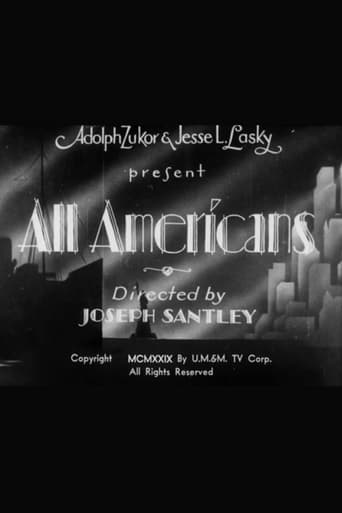
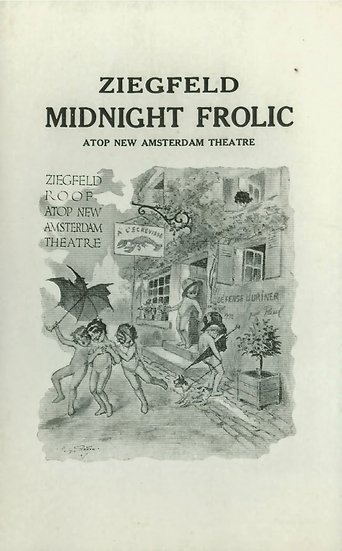
Titles linked here include All Americans (1929), A Ziegfeld Midnight Frolic (1929).
When was Joseph Santley born and when did he die?
Born January 10, 1889; died August 8, 1971.
What awards did Joseph Santley win?
While Joseph Santley didn't receive major industry awards like Academy Awards, he was honored with a star on the Hollywood Walk of Fame at 6363 Hollywood Blvd for his significant contributions to motion pictures.
What was Joseph Santley's directing style?
Santley was known for his efficient, workmanlike directing style that emphasized entertainment value and commercial appeal. He excelled at integrating musical numbers into narratives and was particularly skilled at delivering quality films within budget constraints, making him a favorite at B-movie studios.