
All the Kind Strangers
"After reaching the isolated house."
Keys: Space play/pause · ←/→ 10s · F fullscreen · M mute · </> speed
About this film
An LA photographer, driving through backwoods country, spots a young boy walking on the side of the road and offers him a ride home. After reaching the isolated house, he discovers that the boy and his siblings are keeping a woman prisoner as their "mom" and now he is expected to be their "dad"...or else.
Cast & crew
More Horror films
View all →

More about this film
About the production
Release dateOctober 29, 1974
ProductionUniversal Television, Spelling-Goldberg Productions
Filmed inUniversal Studios, Universal City, California, Malibu Creek State Park, California
This ABC Movie of the Week was filmed in just 18 days on a tight television schedule. The isolated farmhouse set was constructed on the Universal backlot, designed to appear both rustic and menacing. Director Burt Kennedy, known primarily for Westerns, brought his expertise in creating tension in confined spaces to this psychological thriller. The production faced challenges in casting the child actors, requiring performers who could convincingly portray both innocent children and menacing captors.
Themes
Family dysfunctionChild psychologyIsolationManipulationLoss of innocence
Themes & topics
isolated farmhouseorphaned childrenpsychological thrillercaptivesurrogate familyrural horrorTV movie1970s horrorpsychological manipulationclaustrophobia
Historical background
The 1974 release of All the Kind Strangers belongs to its era's exhibition habits rather than today's franchise model.
Why this film matters
Archivists revisit All the Kind Strangers (1974) for performance styles and craft choices later mainstream releases refined.
Making of
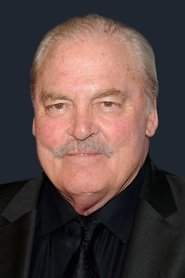
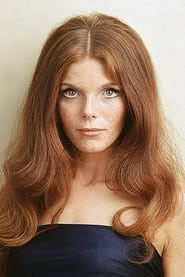
The production was helmed by veteran director Burt Kennedy, who brought his experience from numerous Westerns to create a claustrophobic atmosphere in the confined farmhouse setting. The casting process was particularly challenging, as the producers needed child actors who could convincingly switch between innocent and menacing personas. Stacy Keach was drawn to the project because of its psychological complexity and the opportunity to work with Samantha Eggar. The screenplay was written by Robert Clary, who adapted it from his own story. The film's tension was heightened by the decision to shoot primarily on a single set, creating a sense of isolation and entrapment. The production team used innovative camera techniques to make the children appear more threatening, including low-angle shots and tight framing. The movie was produced during the golden age of TV movies when networks were willing to take risks on controversial subject matter.
What critics said
Specialist critics today emphasize preservation when a viewable copy of All the Kind Strangers survives.
Did you know?
- This was one of the first TV movies to deal with the theme of children as villains, a controversial topic for 1974 television.
- The film was originally titled 'The Family' but was changed to 'All the Kind Strangers' to avoid confusion with other productions.
- Stacy Keach was at the height of his TV fame from 'The New Adventures of Mike Hammer' when he took this role.
- Samantha Eggar had recently starred in 'The Brood' (1979) and was becoming known for psychological horror roles.
- John Savage was a relatively unknown actor at the time, but would later gain fame for 'The Deer Hunter' (1978).
- The film was part of ABC's successful Movie of the Week franchise that dominated 1970s television.
- Director Burt Kennedy was primarily known for Westerns, making this horror-thriller a departure from his usual work.
- The movie was filmed during a period when TV movies were becoming more experimental and willing to tackle darker themes.
- The farmhouse set was later reused in several other Universal productions.
- The film's broadcast coincided with growing public interest in psychology and family dynamics.
Visual style
The cinematography, handled by veteran TV director of photography William W. Spencer, utilized tight framing and claustrophobic compositions to enhance the sense of entrapment. The farmhouse interiors were shot with limited lighting to create shadows and conceal threats, while exterior scenes emphasized the isolation of the location. Spencer employed low-angle shots when filming the children to make them appear more menacing and dominant over the adult characters. The camera work was notably restrained compared to theatrical horror films of the era, relying more on psychological tension than visual shock. The color palette was deliberately muted and earth-toned, reflecting the rural setting while creating an oppressive atmosphere. The cinematography effectively used the confined space of the farmhouse set to maximum effect, creating a sense of inescapable danger.
Innovations
While primarily a psychological thriller rather than a technically innovative film, All the Kind Strangers demonstrated several notable achievements in television production. The film's effective use of a single primary set to create variety and tension through different camera angles and lighting techniques was particularly noteworthy for a TV movie of its era. The production team developed innovative methods for making the child actors appear threatening without relying on special effects, using primarily camera work and performance direction. The sound design was particularly effective in creating an atmosphere of isolation and dread, using minimal ambient sounds to enhance the sense of entrapment. The film's editing, handled by Dann Cahn, created effective pacing and tension within the constraints of television time slots and content standards.
Music
The musical score was composed by Lalo Schifrin, who brought his expertise in creating tension through music to the television format. Schifrin's score combined traditional thriller elements with unsettling dissonant passages to reflect the psychological horror of the situation. The soundtrack made effective use of silence and minimal instrumentation to build suspense, particularly in scenes where the children's true nature was revealed. Schifrin incorporated childlike musical motifs that became increasingly distorted throughout the film, mirroring the corruption of innocence. The score was notable for its restraint, avoiding the bombastic tendencies of some horror film music of the era. The soundtrack was never officially released as a recording, but has been praised by film music enthusiasts for its effectiveness in enhancing the psychological tension.
Famous quotes
We just want a family. Is that so wrong to want?
You're our daddy now. You're not going anywhere.
Mommy tried to leave once. We don't let our family leave.
This isn't a game, Jimmy. This is our home. Our family.
You'll learn to love us. Everyone does in the end.
Memorable scenes
- The tense dinner scene where the children reveal their true intentions to Jimmy and Gertrude, with the mood shifting from seemingly innocent to menacing as the children begin their psychological manipulation.
- The escape attempt sequence where Jimmy tries to flee the farmhouse only to be hunted down by the children through the surrounding woods, showcasing their surprising resourcefulness and determination.
- The climactic confrontation in the attic where the full extent of the children's previous 'parents' is revealed, with Jimmy discovering the hidden evidence of their past victims.
What audiences thought
The film garnered strong ratings upon its initial broadcast, drawing significant viewership for its time slot. Audiences were particularly struck by the shocking premise of children as villains, with many viewers reporting that the movie left them deeply unsettled. The film generated considerable discussion in television forums and letters to the networks, with some viewers expressing concern about the appropriateness of such dark themes for television. Despite these concerns, the movie developed a cult following among horror enthusiasts and TV movie aficionados. In the years since its broadcast, the film has maintained a reputation as one of the more memorable and disturbing TV movies of the 1970s. Modern audiences discovering the film through streaming and home video have praised its psychological depth and the effectiveness of its minimal setting in creating tension.
Film connections
Influenced by
- The Bad Seed (1956 film)
- Village of the Damned (1960)
- Who's Afraid of Virginia Woolf? (1966)
- The Last House on the Left (1972)
- The Exorcist (1973)
This film influenced
- The Children (1980)
- The Brood (1979)
- The People Under the Stairs (1991)
- The Good Son (1993)
- Orphan (2009)
Film restoration
The film has been preserved by Universal Television and exists in the studio's archives. While it hasn't received a formal restoration, the original master elements remain intact. The movie has been released on DVD through various specialty labels and is available through streaming services that specialize in classic television content. The film's survival is notable given that many TV movies from the 1970s were lost or destroyed due to archival practices of the era.
Where to watch
- Amazon Prime Video
- YouTube Movies
- Apple TV
- Google Play Movies
- Vudu
- DVD through Universal's MOD (Manufacture on Demand) program