Burt Kennedy
Director
Born: September 3, 1922 in Muskegon, Michigan, United States Died: February 15, 2001 Active: 1953-1990s
Films
1 film
About Burt Kennedy
American screenwriter and film director best known for his work in westerns and for bringing a dry, wry comic sensibility to action material. Born in Muskegon, Michigan, he began his career as a writer before moving into directing, and his background in scripting gave his films a strong sense of structure, brisk pacing, and dialogue-driven character interplay. He became associated with low-budget and mid-budget genre filmmaking in Hollywood, especially through a long run of western screenplays and directing assignments during the 1950s, 1960s, and 1970s. Kennedy directed a number of notable features, including All the Kind Strangers (1974), and he worked steadily for decades across theatrical features and television. He was especially valued for his ability to balance toughness with humor, often underlining the oddball social dynamics of frontier and modern Western settings. Although not typically grouped with the major auteur directors of the classic studio era, he was a highly reliable craftsman whose films remain admired by fans of American genre cinema. He died in 2001, leaving behind a substantial body of work as both a writer and director.
The Craft
Behind the Camera
Kennedy’s directing style was lean, efficient, and strongly shaped by his background as a screenwriter. He favored clear storytelling, fast scene construction, and dialogue that revealed character through dry wit or pointed understatement. In westerns and action pictures, he often emphasized group dynamics, ironic reversals, and a slightly offbeat tone rather than grand visual symbolism. His films tend to be compact and pragmatic, with a craftsmanlike approach that prioritizes momentum, tone, and entertainment value over flamboyant visual showmanship.
Milestones
- Established himself as an important screenwriter of westerns before moving into directing
- Wrote scripts for several prominent western films during the 1950s and early 1960s
- Directed a series of well-regarded genre films that mixed action, irony, and humor
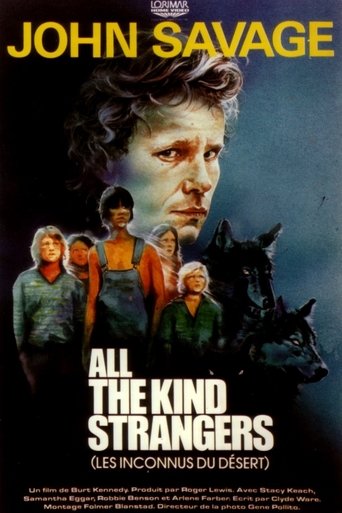
- Directed All the Kind Strangers (1974), one of his notable later-period features
- Worked extensively in both feature films and television, sustaining a long career in commercial filmmaking
Best Known For
Must-See Films
Working Relationships
Worked Often With
Studios
Why They Matter
Impact on Culture
Burt Kennedy occupies an important place in American genre cinema, especially in the evolution of the western after the classical studio era. His scripts and films helped keep the western commercially viable by adding sharper comic timing and more self-aware character relationships to a genre often associated with stoicism and mythic seriousness. He became especially influential in the way later filmmakers approached the “comic western,” proving that frontier stories could be humorous without losing their action appeal or audience accessibility. His work also reflects the industry shift from big studio productions to leaner, more personality-driven filmmaking that could succeed on modest budgets and strong performances. For viewers and historians, Kennedy represents the kind of skilled professional whose work shaped mainstream American popular cinema even when he was not always treated as a marquee auteur.
Lasting Legacy
Kennedy’s legacy lies in his durable contribution to the western and to mid-century Hollywood craftsmanship. He is remembered as a writer-director who understood how to build entertaining, efficient films with memorable characters and a distinctive tonal balance of toughness and light comedy. His best-known titles remain staples for fans of classic and revisionist westerns, and his work continues to be appreciated for its clean storytelling and unpretentious style. Within film history, he stands as a respected example of a pragmatic Hollywood filmmaker whose influence is most visible in the continuing popularity of comic westerns and character-centered genre pictures.
Who They Inspired
Kennedy influenced later directors and writers working in the western and action-comedy traditions by demonstrating that genre films could be both commercially accessible and slyly self-aware. His scripts, in particular, helped normalize witty dialogue and odd-couple dynamics within western narratives. Directors who favor brisk pacing, ensemble interplay, and lightly ironic genre revisions can be seen working in a mode that Kennedy helped popularize. His career also offered a model for screenwriters transitioning successfully into direction, especially within studio and television environments.
Off Screen
Burt Kennedy kept much of his personal life relatively private compared with many Hollywood figures of his era. He was married and had family life, though detailed public information about his domestic life is not as widely documented as his professional credits. He is remembered primarily through his body of work rather than through extensive publicity surrounding his personal affairs. Like many working directors of his generation, he moved between studio assignments, freelance projects, and television work in order to maintain a long career in a changing industry.
Education
He reportedly studied at the University of Southern California, though detailed information on his formal education is not consistently documented in standard film references.
Did You Know?
- Before becoming a notable director, Kennedy built his reputation primarily as a screenwriter.
- He was especially associated with westerns, one of Hollywood’s defining classic genres.
- His films often blend action with deadpan humor and character-based comedy.
- All the Kind Strangers (1974) belongs to his later directorial period, after he had already established himself in genre filmmaking.
- He worked in both theatrical features and television, showing adaptability across formats.
- His style was often described as practical and economical rather than visually elaborate.
- He is one of the key craftsmen behind the postwar evolution of the comic western.
- Kennedy’s active years covered the transition from the classical studio system to more independent and television-driven production patterns.
Frequently Asked Questions
Who was Burt Kennedy?
American screenwriter and on YTB.my. He developed a reputation for lean storytelling, dry humor, and efficient craftsmanship, and he remained active for decades in both features and television.
What films is Burt Kennedy best known for?
Titles linked here include The War Wagon, Support Your Local Sheriff!.
When was Burt Kennedy born and when did he die?
Born September 3, 1922; died February 15, 2001.
What awards did Burt Kennedy win?
No major mainstream awards such as Academy Awards are prominently documented for Burt Kennedy in standard film references. His recognition comes more from critical appreciation among western fans and historians than from major award-giving bodies.
What was Burt Kennedy's directing style?
Kennedy’s directing style was compact, witty, and highly efficient, shaped by his earlier career as a screenwriter. He favored clear storytelling, crisp dialogue, and ensemble dynamics, and he often brought a sly comic edge to western and action material.
What was Burt Kennedy's legacy in film history?
His legacy is tied to the evolution of the comic western and to the tradition of skilled Hollywood craftsmen who could deliver entertaining genre films with modest resources. He remains respected for helping shape a lighter, more self-aware form of western filmmaking that influenced later genre work.