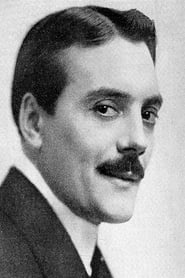
An Agitated Night
"A wedding-night flea torments Max Linder and his new bride."
Keys: Space play/pause · ←/→ 10s · F fullscreen · M mute · </> speed
About this film
Wedding-night flea, married to the beautiful Stacia Napierkowska. He and his bride are sleeping..... and a flea keeps disturbing him.
Cast & crew
More from Max Linder
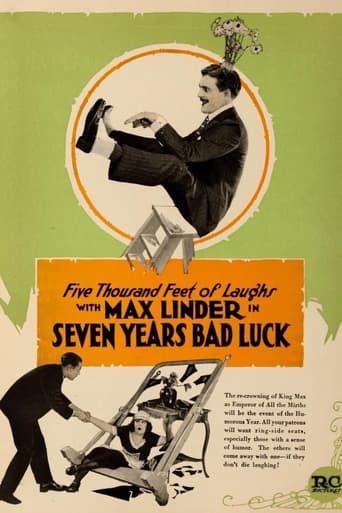
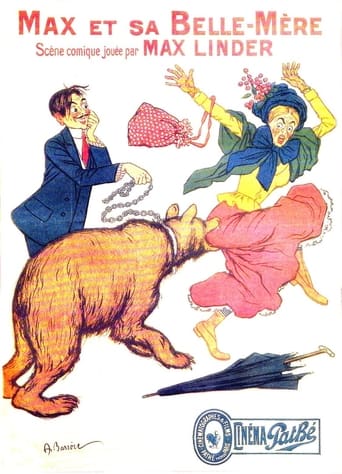
View all →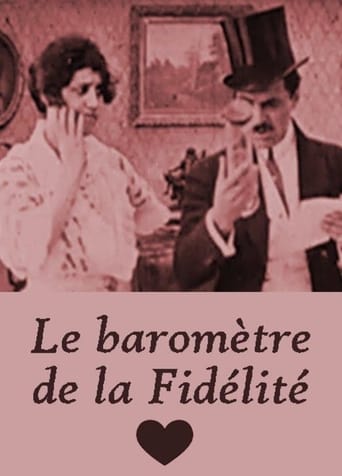
More about this film
About the production
Release date1912
Box officeUnknown - but commercially successful as part of Max Linder's popular series
ProductionPathé Frères
Filmed inParis, France - likely at Pathé's studio facilities in Joinville-le-Pont
This film was part of Max Linder's highly successful series of comedy shorts for Pathé Frères. The production utilized the simple but effective comedy formula Linder was known for: taking a common situation (wedding night) and introducing an escalating problem (the flea). The film showcases Linder's trademark sophisticated comedy style, relying on physical humor but with a more refined approach than many contemporaries. The flea itself was never shown on screen, with all comedy derived from Max's reactions and increasingly frantic movements.
Themes
Frustration over minor annoyancesThe contrast between romantic expectations and realityThe comedy of escalationDomestic harmony disruptedThe battle between civilization and nature
Themes & topics
wedding nightfleacomedydisrupted romancephysical comedybedroomnewlywedsfrustrationescalationsilent comedy
Historical background
The 1912 premiere placed An Agitated Night alongside contemporaneous releases that were collectively teaching viewers how to read cinematic time and space.
Why this film matters
Collectors prize surviving prints of An Agitated Night as evidence of how 1912-era filmmakers solved storytelling problems with limited means.
Making of
Max Linder was at the height of his creative powers when he made this film, having complete creative control over his productions at Pathé. The film showcases Linder's methodical approach to comedy - he would spend considerable time planning each gag and its escalation. The bedroom set was typical of Pathé's production values - detailed and realistic for the period. Linder worked closely with his directors (though he often functioned as his own director) to perfect the timing of each comedic beat. The film's success led to several similar 'disrupted evening' shorts in his filmography. Stacia Napierkowska, though primarily known as a dramatic actress, demonstrated good comic timing opposite Linder. The production team used innovative camera techniques for the time, including close-ups to emphasize Linder's reactions to the unseen flea.
What critics said
Specialist critics writing today emphasize preservation and access—praising archives when a viewable copy of An Agitated Night survives rather than overstating original buzz.
Did you know?
- This film was released during the peak of Max Linder's international fame, when he was one of the highest-paid and most recognizable film stars in the world
- Stacia Napierkowska, who played Max's bride, was a Polish-born actress and dancer who was also a popular star in French cinema
- The film's premise of a wedding night disrupted by a flea was considered somewhat risqué for 1912, though handled with comedic discretion
- Max Linder's character in this film, as in most of his work, was 'Max' - a dapper, upper-class gentleman who often found himself in absurd situations
- The flea was never actually shown on screen, making the comedy entirely dependent on Linder's physical performance and reactions
- This film was distributed internationally and was particularly popular in the United States, where Linder had a massive following
- The film's title varies in different markets - sometimes shown as 'Une Nuit Agitée' (French) or 'An Agitated Night' in English-speaking countries
- Pathé Frères used their innovative stencil coloring process on some prints of this film, adding color to certain scenes
- The wedding night theme was a popular comedic subject in early cinema, allowing for suggestive humor while maintaining propriety
- Linder's sophisticated comedy style influenced many later comedians, including Charlie Chaplin, who cited Linder as a major influence
Visual style
The cinematography, typical of Pathé productions of this era, was sophisticated for its time. The film uses medium shots effectively to capture Linder's full physical performance while maintaining the bedroom setting's intimacy. The lighting creates a romantic atmosphere that contrasts humorously with the chaotic action. Camera work is static, as was standard for the period, but the framing is carefully composed to maximize the comedic effect. The film occasionally uses closer framing than was typical for 1912 to emphasize Linder's facial expressions and reactions to the unseen flea. Some prints featured Pathé's stencil coloring process, adding subtle color tints to enhance the mood of certain scenes.
Innovations
While not technically groundbreaking, the film demonstrated mastery of existing film techniques for comedy. The production utilized Pathé's advanced film stock, which allowed for clearer images than many competitors. The film's pacing and editing were sophisticated for 1912, with careful attention to comic timing. The unseen flea concept required precise performance and direction to maintain the illusion. Some versions of the film featured Pathé's innovative stencil coloring system, one of the earliest methods of adding color to motion pictures. The film also demonstrated effective use of continuity editing to maintain narrative flow within the single setting.
Music
As a silent film, 'An Agitated Night' would have been accompanied by live musical performance during theatrical exhibition. The typical score would have been light and comedic, with musical cues punctuating the action. For the romantic opening, softer, more romantic music would have been played, transitioning to more frantic, comedic music as Max's battle with the flea escalated. The music would have been provided by whatever musicians the individual theater employed, ranging from solo piano to small orchestras. No specific composed score survives, but contemporary accounts suggest that lively, popular tunes of the era were often incorporated into the accompaniment.
Famous quotes
(Silent film - no dialogue, but Linder's expressive gestures and reactions became iconic comedic moments)
The film's title itself became a catchphrase for describing frustrating nights
Memorable scenes
- The opening romantic scene that establishes the wedding night atmosphere, Max's first reaction to the flea bite and his initial disbelief, The escalating attempts to find and catch the invisible flea, The destruction of the romantic bedroom setting in Max's frantic search, The final chaotic scene where the newlywed couple's romantic evening is completely ruined
What audiences thought
The film was enormously popular with audiences worldwide upon its release. Theater owners reported that it consistently drew laughs and applause, with audiences particularly responding to Linder's increasingly desperate attempts to catch the flea. The film's universal theme - frustration over minor annoyances - resonated across cultures. In the United States, where Linder had a massive following, the film was one of Pathé's most successful releases of 1912. Audience feedback from the period indicates that viewers appreciated the film's clever premise and Linder's charismatic performance. The film's success led to increased demand for Linder's films internationally and helped cement his status as a global star.
Film connections
Influenced by
- Earlier French comedy traditions
- Commedia dell'arte character archetypes
- Georges Méliès's fantasy-comedy style
- Stage farce traditions
This film influenced
- Numerous later comedy shorts featuring disrupted romantic evenings
- Charlie Chaplin's 'The Champion' (1915) - similar escalation of minor problem
- Buster Keaton's 'One Week' (1920) - domestic comedy of escalation
- Harold Lloyd's comedy shorts of the 1920s
Film restoration
The film survives in various archives, including the Cinémathèque Française and the Library of Congress. Some prints exist with the original Pathé stencil coloring. The film has been restored and is available on various DVD collections of Max Linder's work. While not all original elements survive, enough material exists to present the film in a reasonably complete form. The film is considered well-preserved for its era, thanks to Pathé's practice of maintaining master copies of their most popular productions.
Where to watch
- Available on DVD collections of Max Linder films from various distributors
- Some versions available on streaming platforms specializing in classic cinema
- Archival screenings at film museums and cinematheques
- Public domain versions may be found on internet archives and classic film websites
- Included in educational collections for film studies programs