An Expensive Visit
"Jack's fake flirtation extorts visiting dad"
Keys: Space play/pause · ←/→ 10s · F fullscreen · M mute · </> speed
About this film
At college, Jack is spending his dad's money and not studying. When dad comes for a visit, Jack gets one of his friends to dress as a woman and flirt with his father. Another friend pretends to be the jealous husband, forcing dad to buy his way out of trouble.
Cast & crew
More films like this
More Comedy films
View all →







More from Will Louis
View all →
More about this film
About the production
Release dateMarch 1915
ProductionPlump Film Corporation
Filmed inJacksonville, Florida
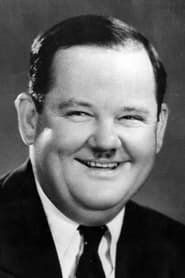
This film was produced during the brief period when Jacksonville, Florida was a major film production center before the industry consolidated in Hollywood. The film was shot on location at what was then the thriving film studio complex in Jacksonville, which attracted many early filmmakers due to its favorable climate and varied landscapes. Oliver Hardy, who would later become famous as half of the Laurel and Hardy comedy duo, was still in the early stages of his film career and playing supporting roles in comedies like this one.
Themes
Deception and trickeryGenerational conflictFinancial irresponsibilityCollege lifeGender disguise
Themes & topics
CollegeCross-dressingDeceptionFather-son relationshipMoneyBlackmailFriendshipComedy of errorsDisguiseExtortion
Historical background
Made during the studio era of 1915, An Expensive Visit reached audiences through theatrical programs, fairground booths, or specialized distribution channels typical of its generation. At college, Jack is spending his dad's money and not studying. When dad comes for a visit, Jack gets one of his friends. Historians now read such works for what they reveal about production methods, national taste, and the expanding vocabulary of screen narrative.
Why this film matters
Archivists and programmers still screen An Expensive Visit when tracing how popular entertainment evolved. Its subject—at college, jack is spending his dad's money and not studying. when dad comes for a visit, jack—gives later viewers tangible evidence of what drew crowds in the silent period. Home video, restorations, and festival sidebars keep the title circulating among students of film history.
Making of
The production of 'An Expensive Visit' took place during the height of Jacksonville's brief tenure as a film production hub. Director Will Louis was known for his efficiency in producing comedy shorts, often completing films in just a few days. The cross-dressing scene, central to the plot's comedy, would have required careful staging for a 1915 audience, with the actor in drag needing to maintain the illusion while performing physical comedy. Oliver Hardy, though not the star, was already developing the screen persona that would later make him famous - a larger man with a distinctive mustache who often played the straight man or comic foil. The film's modest budget meant that sets were minimal and the college setting was likely suggested through a few props and costumes rather than actual location filming at an educational institution.
What critics said
Original trade coverage treated An Expensive Visit as routine program filler rather than a landmark production—common for shorts. Later criticism emphasizes preservation, stylistic comparison with contemporaries, and whatever cast or crew names later gained prominence. Contemporary writing is mostly historical: assessing completeness, influence, and place in a director's or studio's catalog.
Did you know?
- This film features Oliver Hardy several years before he teamed up with Stan Laurel to form the comedy duo Laurel and Hardy.
- The film was produced by the Plump Film Corporation, one of many small production companies that flourished during the early silent film era.
- Director Will Louis was a prolific filmmaker who directed over 200 shorts between 1912 and 1926, though most are now considered lost.
- The college setting was a popular trope in early comedies, allowing filmmakers to explore themes of youth rebellion and generational conflict.
- This film was part of a series of shorts featuring similar characters and situations, which was common practice in early cinema.
- Jacksonville, Florida was a major film production center in the early 1910s before the industry permanently moved to Hollywood.
- The cross-dressing element in the plot was a common comedic device in silent films, though it would later become controversial.
- The film's runtime of approximately 10 minutes was typical for comedy shorts of this period.
- Edward Lawrence, who played Jack, was a regular actor in Will Louis's productions during this period.
- The film was released just as World War I was escalating in Europe, though the United States had not yet entered the conflict.
Visual style
As a typical 1915 comedy short, 'An Expensive Visit' would have been filmed in black and white on 35mm film using hand-cranked cameras of the era. The cinematography would have been functional rather than artistic, with static camera positions and medium shots predominating. Lighting would have been natural or basic artificial illumination, as sophisticated lighting techniques were not yet common in comedy shorts. The film would have featured intertitles to convey dialogue and plot points, as was standard for silent films. Camera movement would have been minimal, with any tracking shots accomplished by mounting the camera on a moving platform or vehicle. The visual style would have been straightforward, prioritizing clarity of action and recognition of comedic situations over artistic experimentation.
Innovations
As a standard comedy short of 1915, 'An Expensive Visit' did not feature notable technical innovations. The film would have been produced using established techniques of the period, including single-camera setups and basic editing practices. The cross-dressing makeup and costuming, while not technically advanced, would have required skill to create a believable illusion for the comedy to work effectively. The film's short runtime and simple plot meant that complex technical effects were unnecessary. Like most films of this era, it would have been shot on flammable nitrate film stock, which unfortunately contributed to the loss of many early films through decomposition or fire.
Music
As a silent film, 'An Expensive Visit' would have had no synchronized soundtrack. Musical accompaniment would have been provided live in theaters, ranging from a single piano in smaller venues to small orchestras in larger cinemas. The music would have been selected by the theater's musical director or pianist, often using compiled cue books that suggested appropriate music for different emotional tones and action types. Comedic moments would typically be accompanied by upbeat, playful music, while tense situations might use more dramatic or mysterious themes. The quality and style of musical accompaniment varied significantly from theater to theater, meaning each audience's experience of the film would have been unique based on the live performance.
Memorable scenes
- The scene where Jack's friend first appears in women's clothing to flirt with the father, creating the central comedic premise of the film through the elaborate disguise and the father's unsuspecting reaction.
What audiences thought
Audience reception for 'An Expensive Visit' would have been measured by the laughter and applause it generated in theaters rather than through formal reviews. Comedy shorts of this era were designed to provide quick entertainment between feature presentations or as part of mixed bills. The film's premise involving deception, cross-dressing, and the comeuppance of a wealthy character would have appealed to working-class audiences of the period. The presence of familiar comedy tropes and recognizable actors like Oliver Hardy would have helped ensure audience satisfaction. Theater owners' decisions to book the film for subsequent weeks would have been the primary indicator of its success with audiences.
Film connections
Influenced by
- Mack Sennett comedies
- French farce traditions
- Vaudeville comedy routines
- Earlier film comedies featuring cross-dressing
- College-themed theatrical productions
This film influenced
- Later college comedies
- Cross-dressing comedies of the silent era
- Other Will Louis-directed shorts
- Early Oliver Hardy comedies
Film restoration
Lost film - 'An Expensive Visit' is believed to be among the approximately 90% of American silent films that are considered lost. No known copies of the film survive in any film archive or private collection. The film exists only through written descriptions, trade paper mentions, and cast/crew listings from the period of its release. Like many Plump Film Corporation productions, the nitrate film prints were likely destroyed through decomposition, discarded when the company ceased operations, or lost in the numerous film fires that plagued early cinema archives and storage facilities.
Where to watch
- Not available - The film is considered lost and no copies are known to exist in any public or private archive.