Films
9 films
About Will Louis
American film director who worked during the silent era, with a brief but notable career spanning from 1915 to 1916. He directed primarily short comedy films for various production companies during the early days of Hollywood. His most productive period was concentrated in these two years, where he helmed numerous one- and two-reel comedies that were typical of the era's theatrical programming. Louis worked alongside many of the period's emerging comic talents, though his own career as a director was relatively short-lived. His films, while not, represent the typical output of the bustling early American film industry. Like many directors of this period, his work has largely been lost to time, with only fragments of his filmography surviving today. His career trajectory was common among early filmmakers who either moved into other aspects of the industry or left filmmaking entirely as the business became more consolidated.
The Craft
Behind the Camera
Will Louis employed the straightforward, efficient directing style typical of early silent comedy shorts, focusing on visual gags and physical comedy that required minimal intertitles. His approach was pragmatic and commercial, designed to produce entertaining content quickly for the voracious demand of nickelodeon and early theater programming.
Milestones
- Directed multiple comedy shorts in 1915-1916
- Worked during the transitional period of early American cinema
- Contributed to the golden age of silent comedy
- Part of the early Hollywood studio system
Best Known For
Must-See Films
Working Relationships
Studios
Why They Matter
Impact on Culture
Will Louis represents the numerous anonymous craftsmen who built the foundation of American cinema during its formative years. While his individual films may not have achieved lasting fame, his work contributed to the development of the comedy genre in silent film. His output during 1915-1916 reflects the industrial nature of early Hollywood, where directors were often factory-like producers of content for the rapidly expanding film market. The survival of his film credits, even when the films themselves are lost, provides valuable documentation of the scale and scope of early American film production.
Lasting Legacy
Will Louis's legacy lies in his representation of the countless directors who populated early Hollywood but whose names have faded into obscurity. His filmography shows the incredible volume of content produced during cinema's first decades. While not a figure like Chaplin or Griffith, Louis and directors like him formed the backbone of the early film industry, creating the entertainment that brought audiences to theaters and helped establish cinema as America's dominant popular art form. His work, though largely lost, is part of the historical record of American silent cinema.
Who They Inspired
As a director with a very brief career primarily in short-form comedy, Will Louis's direct influence on later filmmakers is difficult to trace. However, like many early comedy directors, he contributed to the development of visual comedy language and pacing that would influence subsequent generations of filmmakers. His work represents the collective contribution of journeyman directors to the evolution of film comedy as an art form.
Off Screen
Very little is documented about Will Louis's personal life, which is common for many behind-the-scenes figures from the earliest days of cinema. Like many film industry workers of his era, he likely moved to California during the industry's migration from the East Coast. The brevity of his directing career suggests he may have transitioned to other work within or outside the film industry after 1916.
Did You Know?
- Will Louis's entire known directing active years covered only two years (1915-1916)
- He worked during the peak of the silent short film era
- Many of his films were typical one- or two-reel comedies
- His filmography represents the type of content that filled early nickelodeon programs
- Like many early directors, most of his films are now considered lost
- His name appears in film archives but with minimal biographical information
- He directed films during Hollywood's transition from the East Coast
- His work was produced before the studio system fully consolidated power
- The titles of his films suggest a focus on domestic and romantic comedy themes
- His career ended before the United States entered World War I
Frequently Asked Questions
Who was Will Louis?
American on YTB.my. He directed several comedy shorts during this period, contributing to the early development of American cinema.
What films is Will Louis best known for?
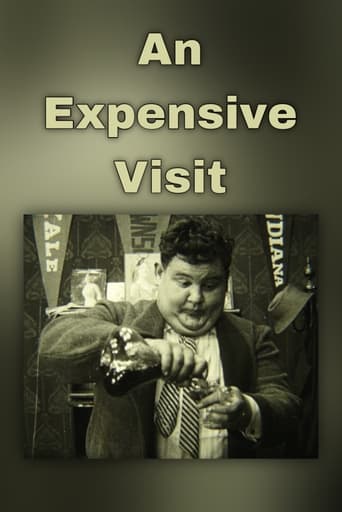
Titles linked here include An Expensive Visit (1915), Santa Claus vs. Cupid (1915).
When was Will Louis born and when did he die?
Unfortunately, specific birth and death dates for Will Louis are not documented in available historical records, which is common for many early film industry workers who were not major stars.
What awards did Will Louis win?
Will Louis did not receive any major awards or recognition during his brief career. The Academy Awards were not established until 1929, well after his directing career had ended.
What was Will Louis's directing style?
Louis employed the practical, efficient style typical of early silent comedy directors, focusing on visual gags and physical comedy that could be quickly produced for theater programs. His work was commercial and straightforward rather than artistically ambitious.