One Too Many
"Borrowed wives and borrowed babies"
Keys: Space play/pause · ←/→ 10s · F fullscreen · M mute · </> speed
About this film
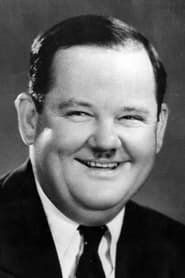
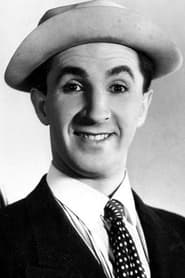
When his uncle arrives for a visit, Plump has to find a wife and baby in a hurry. With the help of his friend, Runt, soon there are wives and babies everywhere.
Cast & crew
More films like this
More Comedy films
View all →







More from Will Louis
View all →
More about this film
About the production
Release dateSeptember 1916
ProductionPlump Comedy Company, Vim Comedy Company
Filmed inJacksonville, Florida
This film was part of the Plump and Runt comedy series produced by the Vim Comedy Company. The production took place during Jacksonville's brief period as a major filmmaking hub before the industry consolidated in Hollywood. The film was shot on location in Florida, taking advantage of the warm climate and varied scenery available for year-round filming.
Themes
Domestic comedyDeception and mistaken identityFamily expectationsFriendship and loyaltySocial pretension
Themes & topics
Uncle's visitFake wifeFake babyComedy of errorsHurryDeceptionFriendshipMix-upDomestic chaosPretending
Historical background
Archival paperwork links One Too Many to a 1916 release handled by Plump Comedy Company.
Why this film matters
The plot's emphasis on when his uncle arrives for a visit, plump has to find a wife and baby in a hurry mirrors popular narrative habits of the 1916 period.
Making of
The production of 'One Too Many' took place during Jacksonville's brief golden age as a filmmaking center. The Vim Comedy Company, which produced this film, was one of several studios operating in the area at the time. Oliver Hardy, who had been making films since 1914, was establishing himself as a reliable character actor and comedy performer. The Plump and Runt series was designed to capitalize on the popular 'fat and skinny' comedy duo formula that was successful in vaudeville and early cinema. The filming process would have been typical of the era - shot quickly with minimal rehearsal, using natural lighting where possible, and relying heavily on physical comedy and visual gags since it was a silent film. The production likely faced the common challenges of the period including primitive equipment, limited special effects, and the need to shoot sequences in long takes due to editing limitations.
What critics said
Film historians reference One Too Many in surveys of 1916 output from its studio tier.
Did you know?
- This film features Oliver Hardy before his partnership with Stan Laurel, showcasing his early solo comedy work
- The Plump and Runt series was one of several comedy teams Hardy was part of before finding fame with Laurel
- Billy Bletcher, who appears in this film, would later become famous as a prolific voice actor in cartoons, including being the original voice of Popeye's nemesis Bluto
- The film was produced during Jacksonville's 'Winter Film Capital' era when many northern studios moved production south to escape winter weather
- Director Will Louis was a prolific director of comedy shorts in the 1910s, directing over 200 films during his career
- The Vim Comedy Company that produced this film was one of many short-lived production companies that flourished during the silent era
- This film is believed to be lost, like many silent shorts from this period
- The Plump and Runt characters were specifically created for this series of comedy shorts
- The film was released during World War I, when comedy films were particularly popular as escapist entertainment
- Jacksonville, Florida was the site of over 30 film studios during the 1910s before the industry moved permanently to Hollywood
Visual style
The cinematography of 'One Too Many' would have employed techniques typical of 1916 comedy shorts. The film was likely shot in black and white on 35mm film using hand-cranked cameras. Visual comedy would have been enhanced through careful composition and framing, with the camera positioned to capture physical gags and reactions. The cinematographer would have used relatively static shots with occasional pans to follow the action, as camera movement was limited by the bulky equipment of the era. Natural lighting would have been supplemented by arc lamps when filming indoors. The visual style would have prioritized clarity and visibility of the comedic action over artistic flourishes, ensuring that audiences could easily follow the physical comedy and situational gags that formed the core of the film's entertainment value.
Innovations
While 'One Too Many' was not groundbreaking in its technical aspects, it utilized the standard filmmaking technology of 1916. The film would have been shot on celluloid nitrate stock using hand-cranked cameras, requiring skilled camera operators to maintain consistent exposure and frame rates. Editing would have been done physically, cutting and splicing the film by hand to create the final sequence. The production might have employed some simple special effects techniques such as multiple exposures or matte shots to create the illusion of multiple characters in the same frame. The film's technical achievements lay primarily in its efficient production methods and ability to deliver comedic entertainment within the technical constraints of the period. Like many films of its era, it demonstrated the growing sophistication of film grammar and storytelling techniques that were rapidly developing during the 1910s.
Music
As a silent film, 'One Too Many' would have been accompanied by live musical performance during its theatrical run. The exact musical score would have varied by theater, with accompaniment ranging from a single pianist in smaller venues to full orchestras in larger movie palaces. The music would have been selected to enhance the comedic timing and emotional tone of each scene, with popular songs of the period interspersed with classical pieces and original compositions. The tempo and style of the music would have changed to match the on-screen action - faster during chase scenes or chaotic moments, slower during more sentimental sequences. Some theaters might have used cue sheets provided by the distributor, while others relied on the improvisational skills of their house musicians to create appropriate accompaniment.
Memorable scenes
- The frantic search for a wife and baby when Plump learns his uncle is coming to visit
- The chaotic sequence where multiple women and babies suddenly appear in the house
- The climactic scene where Plump tries to explain the situation to his uncle amid the confusion
What audiences thought
Audience reception for 'One Too Many' would have been measured in laughter and repeat business rather than formal reviews. As a comedy short, its success depended on its ability to generate immediate entertainment value for theater audiences. The film's premise of mistaken identities and domestic chaos was a proven formula that typically resonated well with early 20th-century audiences. Oliver Hardy's growing popularity as a comic actor would have helped draw audiences to theaters showing this film. The Plump and Runt series developed a modest following during its run, though it never achieved the level of popularity enjoyed by more famous comedy teams of the era. Like most comedy shorts of the period, it was likely considered disposable entertainment - enjoyed in the moment but not expected to have lasting cultural impact.
Film connections
Influenced by
- Vaudeville comedy traditions
- Mack Sennett comedy style
- Domestic sitcom format
- Slapstick comedy conventions
This film influenced
- Later Plump and Runt shorts
- Other Oliver Hardy solo comedies
- Domestic comedy shorts of the late 1910s
Film restoration
Presumed lost. Like approximately 75% of American silent films, 'One Too Many' is believed to be lost due to the deterioration of nitrate film stock and the lack of preservation efforts in the early film era. No known copies survive in major film archives or private collections.
Where to watch
- No known viewing options available due to the film being lost