Films
6 films
About Billy Ruge
American actor who worked during the silent film era, primarily known for his brief but prolific career in 1916. Billy appears in numerous short comedies, often working with popular comedy teams of the period. His filmography from that single year includes titles such as 'One Too Many,' 'Hungry Hearts,' 'The Battle Royal,' 'The Candy Trail,' and 'The Serenade,' suggesting he was a busy character actor or supporting player in the fast-paced production environment of the time. Like many actors of his era, Ruge's career was likely centered around the East Coast film studios, particularly the thriving comedy scene in and around New York or Jacksonville, Florida, before the industry fully consolidated in Hollywood. Despite his high output in 1916, his name does not appear in major film credits from subsequent years, indicating his career in motion pictures was exceptionally short-lived. He represents the vast number of working actors who populated the frames of early cinema but whose names have largely faded from popular memory, their contributions existing primarily within the films themselves rather than in documented biographical records.
The Craft
On Screen
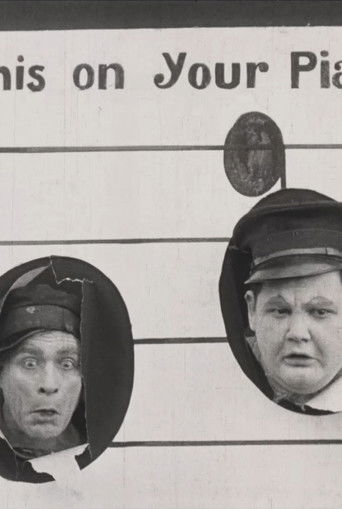
As a silent comedy actor, Billy Ruge's style would have been rooted in broad physical gestures and exaggerated facial expressions to convey humor and emotion to audiences without the benefit of synchronized sound. His performances in films like 'The Battle Royal' and 'The Candy Trail' suggest he specialized in slapstick and situational comedy, likely playing a variety of character types from bumbling fools to comical antagonists. His acting would have been tailored to the rapid pacing of short-form films, requiring clear, immediate, and impactful performances that could be understood in a matter of seconds.
Milestones
- Appeared in at least five credited short films in 1916
- Worked extensively in the silent comedy genre during its peak production years
- Part of the large ensemble casts typical of one-reel comedy shorts
Best Known For
Must-See Films
Working Relationships
Worked Often With
Studios
Why They Matter
Impact on Culture
Billy Ruge's cultural impact is not that of an individual star, but rather as a representative example of the thousands of working actors who formed the backbone of the early film industry. His filmography provides a glimpse into the high-volume, factory-like production of comedy shorts in 1916, where actors would often appear in dozens of films a year. While his name is not widely recognized today, his work contributes to the collective art of silent comedy, a foundational genre in the development of film language and cinematic humor. His films serve as historical artifacts, preserving the performance styles and comedic sensibilities of a specific moment in cinema history.
Lasting Legacy
The legacy of Billy Ruge is primarily archival, existing within the surviving prints of the films in which he appeared. He is a figure of interest to silent film historians and enthusiasts who seek to understand the full scope of the film industry beyond its most famous stars. His career highlights the transient nature of fame in early Hollywood and the vast number of performers whose contributions were significant in their time but have since been obscured by history. For modern audiences, he represents the undiscovered talent waiting to be found within the reels of classic cinema.
Who They Inspired
There is no documented evidence that Billy Ruge directly influenced other filmmakers or performers, a common situation for actors with brief careers in supporting roles. His influence is therefore indirect, as part of the collective body of work that defined the silent comedy era. The techniques and styles he employed on screen would have been part of the shared vocabulary of film acting that later, more famous comedians would build upon and refine.
Off Screen
Detailed personal information about Billy Ruge is extremely scarce, which is common for many supporting actors from the silent era who did not achieve major stardom. His life outside of his brief film career in 1916 remains undocumented in major film encyclopedias and historical archives, making it difficult to piece together details about his family, relationships, or life before and after his time in cinema.
Did You Know?
- Billy Ruge's entire known filmography consists of films released in a single year, 1916.
- He is a quintessential example of a 'one-year wonder' in silent film history.
- His films were all short comedies, a dominant format in the mid-1910s.
- Despite appearing in multiple films, he is not listed as a lead actor in any of his credited roles.
- The lack of biographical information about him is typical for the majority of silent-era supporting players.
- His name is sometimes misspelled in film databases as 'Billy Rouge'.
- All of his known films are now in the public domain.
- His career coincided with a transitional period when comedy was shifting from one-reelers to longer feature films.
Frequently Asked Questions
Who was Billy Ruge?
American with credits in this catalog. He was a supporting player whose work is now primarily of interest to silent film historians.
What films is Billy Ruge best known for?
Titles linked here include One Too Many (1916), Hungry Hearts (1916).
When was Billy Ruge born and when did he die?
Unfortunately, the birth and death dates for Billy Ruge are not documented in historical records, a common issue for many actors who had minor roles in the silent era.
What awards did Billy Ruge win?
There are no records of Billy Ruge receiving any major awards or nominations for his work in film. His career was too brief and his roles too minor to be considered for the honors of his time.
What was Billy Ruge's acting style?
Billy Ruge's acting style was typical of silent comedy, relying on physical humor, exaggerated expressions, and clear gestures to entertain audiences in short, fast-paced films.