
The Candy Trail
"A 1916 silent comedy"
Keys: Space play/pause · ←/→ 10s · F fullscreen · M mute · </> speed
About this film
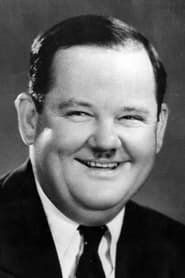
American silent comedy film featuring Oliver Hardy. It was one of the "Plump and Runt" comedy shorts made by Vim Comedy Company in Jacksonville, Florida.
Cast & crew
More Comedy films
View all →






More from Will Louis
View all →
More about this film
About the production
Release date1916
Box officeBox office figures not recorded for this short film
ProductionVim Comedy Company
Filmed inJacksonville, Florida
This was part of the 'Plump and Runt' comedy series produced by Vim Comedy Company. The studio was based in Jacksonville, Florida, which was a major film production center in the 1910s before the industry consolidated in Hollywood. The film was likely shot quickly on a tight schedule, as was typical for comedy shorts of this period.
Themes
Greed and gluttonyCompetitionFriendship and rivalryPursuit of pleasurePhysical comedy
Themes & topics
Historical background
The Candy Trail (1916) emerged during the silent era before feature-length dominance, when exhibition habits and national film industries were still taking shape.
Why this film matters
The Candy Trail remains accessible through digital archives, giving modern viewers a direct link to 1916 screen culture.
Making of
The production of 'The Candy Trail' took place during the height of Jacksonville's film industry boom. The Vim Comedy Company, founded by producer Louis Burstein, specialized in two-reel comedies and was especially prolific comedy producers of the mid-1910s. Oliver Hardy, who had been acting in films since 1914, was establishing himself as a reliable comic character actor during this period. The filming would have been done quickly, typically completing a short comedy in just a few days. The cast and crew worked in a factory-like production system, churning out multiple shorts each month. The physical comedy and slapstick elements would have been carefully choreographed but often improvised on set, a common practice in silent comedy production.
What critics said
Retrospective notes on The Candy Trail emphasize its value as a silent-era document rather than blockbuster reception.
Did you know?
- This film features Oliver Hardy before his famous partnership with Stan Laurel began in 1927
- It was part of the 'Plump and Runt' series, where Hardy played 'Plump' and Billy Ruge played 'Runt'
- The Vim Comedy Company produced over 70 comedy shorts between 1915-1917
- Director Will Louis was a prolific director of silent comedies, directing over 200 films in his career
- The film was shot in Jacksonville, Florida, which was known as the 'Winter Film Capital of the World' in the 1910s
- Vim Comedy Company went bankrupt in 1917, making this one of Hardy's last films with the studio
- Billy Ruge was a popular comic actor of the 1910s who appeared in over 150 short films
- Florence McLaughlin was often cast as the romantic lead in Vim Comedy productions
- The candy theme was a popular comedic device in silent films, often used to create visual gags and physical comedy
- This film represents an early example of the 'buddy comedy' format that would later be perfected by Laurel and Hardy
Visual style
The cinematography would have been typical of 1916 comedy shorts, using stationary cameras with occasional pans to follow the action. The visual style emphasized clarity and visibility of physical gags, with bright, even lighting to ensure the comedy was clearly visible. Camera work was functional rather than artistic, focused on capturing the performers' movements and expressions. The candy trail itself would have been visually emphasized through careful composition and likely some degree of color tinting, which was common in films of this period to highlight certain elements.
Innovations
The film employed standard technical practices for 1916 comedy production. The camera work would have used hand-cranked cameras, allowing for variable speed filming to enhance comic effects. The production likely used some special effects techniques common to the era, such as stop-motion or multiple exposure for magical or impossible gags. The candy trail itself might have been created using editing tricks to maintain continuity. The film represents the technical standards of mid-1910s American cinema, which was becoming more sophisticated but still relatively basic compared to later developments.
Music
As a silent film, 'The Candy Trail' would have been accompanied by live music during theatrical exhibition. The typical accompaniment would have been a pianist or small theater orchestra playing popular tunes of the era, classical pieces, or improvised music that matched the on-screen action. The score would have emphasized the comedic moments with lively, upbeat music and used dramatic or romantic themes for scenes involving Florence McLaughlin's character. No original composed score exists for this film.
Famous quotes
No recorded dialogue exists as this is a silent film
Memorable scenes
- The opening sequence where the characters discover the candy trail, likely involving exaggerated reactions and physical comedy as they begin their greedy pursuit
What audiences thought
Audience reception in 1916 would have been based on the film's ability to entertain theatergoers as part of a typical program that included newsreels, other shorts, and often a feature film. Comedy shorts were extremely popular with working-class audiences who attended nickelodeons and small theaters. The physical humor and simple plot would have been accessible to audiences of all ages and backgrounds. The presence of familiar faces like Oliver Hardy and Billy Ruge would have been a draw for regular moviegoers who followed their comic adventures.
Film connections
Influenced by
- Mack Sennett comedies
- Keystone Kops style humor
- Chaplin's tramp character physicality
- Early vaudeville routines
This film influenced
- Later Laurel and Hardy shorts
- Hal Roach comedy productions
- Two-reel comedy format of the 1920s
Film restoration
The film is considered lost. No known copies of 'The Candy Trail' survive in any film archives or private collections. This is common for Vim Comedy Company productions, as many of their films were lost when the company went bankrupt and their assets were not preserved.
Where to watch
- No viewing options available - the film is considered lost