Films
3 films
About Bert Tracy
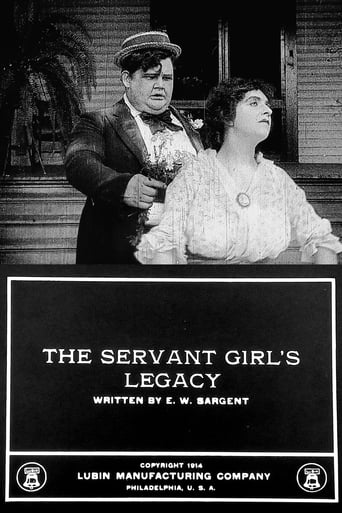
Silent film actor who had a brief but notable career during the formative years of American cinema. Active primarily between 1914 and 1916, Tracy appeared in several short films that were typical of the era's production methods, where actors often worked on multiple projects in quick succession. His filmography, though limited, includes works that reflect the evolving storytelling techniques of early cinema. Like many actors of his generation, Tracy's career coincided with the transition from one-reel shorts to more complex narrative films. His appearances in 'The Servant Girl's Legacy' (1914), 'Hungry Hearts' (1916), and 'The Candy Trail' (1916) demonstrate his participation in the burgeoning film industry during its most experimental period. After 1916, Tracy seemingly vanished from the film industry, a common fate for many early cinema actors who either chose different career paths or failed to transition successfully through the rapidly changing landscape of Hollywood.
The Craft
On Screen
As a silent era actor, Bert Tracy likely employed the exaggerated gestures and facial expressions characteristic of early cinema, where actors had to convey emotions and story points without dialogue. His performances would have been tailored to the technical limitations and audience expectations of the mid-1910s, a period when acting techniques were still being developed for the screen medium.
Milestones
- Appeared in 'The Servant Girl's Legacy' (1914)
- Starred in 'Hungry Hearts' (1916)
- Featured in 'The Candy Trail' (1916)
Best Known For
Must-See Films
Working Relationships
Studios
Why They Matter
Impact on Culture
Bert Tracy's cultural impact was minimal, reflecting the transient nature of many early cinema careers. However, his participation in films during 1914-1916 places him among the pioneers who helped establish the foundation of American filmmaking. His work contributes to our understanding of how the film industry developed its craft and storytelling techniques during this crucial transitional period.
Lasting Legacy
Bert Tracy represents the thousands of anonymous actors who populated early American cinema but whose names have faded into obscurity. His legacy lies not in individual achievement but in his contribution to the collective body of work that defined the silent era. His filmography serves as a reminder of the vast talent pool that fueled Hollywood's rapid growth during its formative years.
Who They Inspired
Given his brief career and limited filmography, Bert Tracy's direct influence on subsequent generations of actors appears negligible. However, like all actors of his era, he participated in the development of screen acting techniques that would later be refined and passed down through generations of performers.
Off Screen
Very little is documented about Bert Tracy's personal life, which was typical for many supporting actors and bit players from the silent era whose careers were brief and whose contributions to cinema history were not extensively recorded. Like many of his contemporaries, his life story remains largely unknown to modern film historians.
Did You Know?
- Bert Tracy's entire known filmography spans only three films over two years
- His career coincided with the transition from one-reel to feature-length films
- Like many silent era actors, his personal details remain largely undocumented
- The mid-1910s was a period of rapid growth in American cinema, with thousands of actors entering the industry
- Many actors from this period had careers lasting only a few years before disappearing from film records
- The films he appeared in were typical of the short-form productions that dominated American cinema before 1915
- Silent era actors often worked under contract with multiple production companies simultaneously
- The lack of documentation about Tracy is representative of how little personal information was preserved about supporting actors of this period
Frequently Asked Questions
Who was Bert Tracy?
Screen credits include three known films between 1914 and 1916. He was part of the large pool of actors who worked during the formative years of American cinema but had a relatively brief career in the industry.
What films is Bert Tracy best known for?
Titles linked here include The Servant Girl's Legacy (1914), Hungry Hearts (1916).
When was Bert Tracy born and when did he die?
Unfortunately, Bert Tracy's birth and death dates are not documented in historical records, which is common for many supporting actors from the silent era whose personal information was not preserved for posterity.
What awards did Bert Tracy win?
Bert Tracy did not receive any documented awards during his brief career. This was typical for most actors of his era, especially those with limited filmographies and short careers in the early film industry.
What was Bert Tracy's acting style?
As a silent era actor, Bert Tracy likely employed the exaggerated physical gestures and facial expressions characteristic of early cinema, where actors needed to convey emotions and story points without the benefit of spoken dialogue.