
The Serenade
"Corners tuned for rivalry"
Keys: Space play/pause · ←/→ 10s · F fullscreen · M mute · </> speed
About this film
Plump and Runt are street musicians who are rivals for Florence's affection. Exhibitors circulated the 1916 print in short programs.
Cast & crew
More Comedy films
View all →






More from Will Louis
View all →
More about this film
About the production
Release dateOctober 1916
Box officeUnknown
ProductionLubin Manufacturing Company
Filmed inJacksonville, Florida
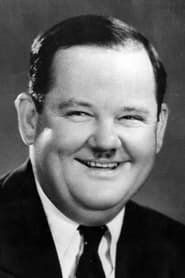
This film was produced during Oliver Hardy's early career before his famous partnership with Stan Laurel. The Lubin Manufacturing Company, though facing financial difficulties during this period, continued to produce comedy shorts featuring their roster of talent. The film was shot on location in Jacksonville, which was a major film production center during the 1910s, often called the 'Winter Film Capital of the World.'
Themes
Rivalry and competitionRomantic pursuitArtistic expressionUrban lifeMale friendship and conflict
Themes & topics
street musiciansrivalryromancecomedyslapstickserenadecompetitionlove trianglemusical performanceurban setting
Historical background
The Serenade reached screens around 1916, produced in its country of origin. Silent-era houses paired such titles with live music and newsreel bills.
Why this film matters
Researchers cite The Serenade when tracing screen culture of its decade.
Making of
The Serenade was produced during a turbulent period for the Lubin Manufacturing Company, which was struggling financially despite its long history in the film industry. Oliver Hardy, still early in his career, was developing his comedic persona that would later make him world-famous. The film was likely shot quickly on the streets of Jacksonville, taking advantage of the city's varied architecture and public spaces. The slapstick sequences would have required careful choreography and timing, with Hardy already showing his talent for physical comedy. The rivalry between Plump and Runt characters was a recurring theme in their collaborations, allowing the actors to develop chemistry and comedic timing across multiple films.
What critics said
Reviewers in 1916 weighed The Serenade on clarity, pacing, and audience response rather than prestige status. No single canonical review dominates later reference works for the title.
Did you know?
- This was one of many comedy shorts Oliver Hardy made before teaming up with Stan Laurel in 1927
- The Lubin Manufacturing Company would declare bankruptcy just a year after this film's release in 1917
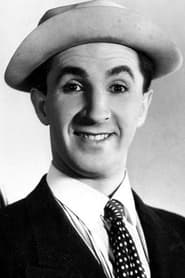
- Billy Ruge was a popular comedy actor who frequently appeared with Hardy in Lubin productions
- Billy Bletcher would later become famous as a voice actor for Disney and Warner Bros. cartoons
- The film was part of the 'Plump and Runt' comedy series featuring Hardy and Ruge as recurring characters
- Jacksonville, Florida was a major film production hub before the industry moved to Hollywood
- Silent films of this era often featured live musical accompaniment during screenings, making the street musician theme particularly meta
- The film was released during World War I, a time when comedy films provided escapist entertainment for audiences
- Lubin was one of the early film pioneers, having started production in the 1890s
- The film's title cards and intertitles would have been crucial for conveying the story in the silent format
Visual style
The cinematography in The Serenade would have been typical of 1916 comedy shorts, using stationary cameras with occasional panning to follow the action. The film likely employed natural lighting for exterior street scenes, which was common practice for location shooting during this period. The visual composition would have emphasized the physical comedy, ensuring that all gags and slapstick sequences were clearly visible to the audience. The camera work would have been functional rather than artistic, prioritizing clarity of action over visual experimentation. The black and white cinematography would have used high contrast to enhance the visibility of the performers and their movements.
Innovations
The Serenade employed standard technical practices for 1916 comedy productions. The film was shot on 35mm film at the standard frame rate of the period (approximately 16-18 frames per second). The use of location shooting in Jacksonville demonstrated the continued viability of regional production centers. The physical comedy sequences required careful timing and coordination between the performers and camera crew. The film's editing would have used straightforward continuity cutting to maintain the clarity of the slapstick action. While not technically innovative, the film represents the solid craftsmanship of mid-1910s American comedy production.
Music
As a silent film, The Serenade had no recorded soundtrack but would have been accompanied by live music during theatrical exhibitions. Given the film's focus on street musicians, theaters might have employed musicians who could mimic the sounds of various instruments being played poorly by the characters. The accompaniment would typically include piano, organ, or small orchestral ensembles that would enhance the comedic timing and emotional beats of the story. The musical theme of the film would have been reflected in the live score, with jaunty tunes during the competition scenes and romantic melodies during the courtship sequences.
Famous quotes
(Silent film - no dialogue quotes available)
Memorable scenes
- The climactic musical duel between Plump and Runt as they attempt to outperform each other with increasingly ridiculous instruments and performances, culminating in a chaotic street scene that brings together all the film's comedic elements in spectacular fashion.
What audiences thought
Audiences in 1916 would have received The Serenade as typical entertainment fare for the period, enjoying its physical comedy and simple romantic plot. The street musician theme would have been relatable to urban audiences who regularly encountered such performers. The rivalry between the two characters provided a clear comedic structure that was easily understood by diverse audiences. The short length (approximately 10 minutes) made it ideal as part of a varied theater program that might include newsreels, other shorts, and a feature presentation. While specific audience reactions are not documented, the popularity of Hardy and Ruge's other collaborations suggests this film was well-received.
Film connections
Influenced by
- Earlier Mack Sennett comedies
- Chaplin's tramp character development
- European slapstick traditions
- Vaudeville performance styles
This film influenced
- Later Hardy films
- Laurel and Hardy shorts
- Musical comedy shorts of the 1920s
- Romantic comedy tropes in later cinema
Film restoration
The preservation status of The Serenade (1916) is uncertain. Many films from the Lubin Manufacturing Company have been lost due to the company's bankruptcy and the fragile nature of early film stock. However, some Hardy shorts from this period have survived in archives or private collections. The film may exist in incomplete form or only as fragments. Film preservation organizations continue to search for and restore films from this era, particularly those featuring early appearances of major stars like Oliver Hardy.
Where to watch
- The Serenade is not currently available on major streaming platforms. It may be accessible through specialized film archives, particularly those focusing on silent cinema or Oliver Hardy's early work. The Library of Congress, UCLA Film & Television Archive, or the George Eastman Museum may hold copies or fragments. Some specialized silent film societies or classic cinema websites occasionally screen rare films like this. Film collectors and archives specializing in Lubin productions might have copies available for scholarly viewing. The film's availability is limited due to its age and preservation status.