Annabelle Butterfly Dance
"Wings, silk, and motion"
Keys: Space play/pause · ←/→ 10s · F fullscreen · M mute · </> speed
About this film
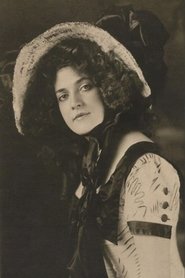
Annabelle Moore dances in butterfly costume, wings attached, using flowing skirts to create patterns for the camera. Edison Kinetoscope record captures serpentine dance fashion of the 1890s.
Cast & crew
More films like this
More Documentary films
View all →

More from William K.L. Dickson
View all →
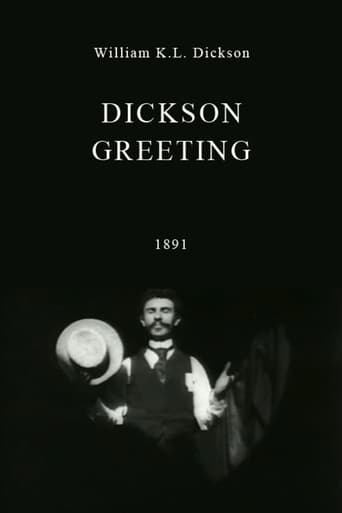
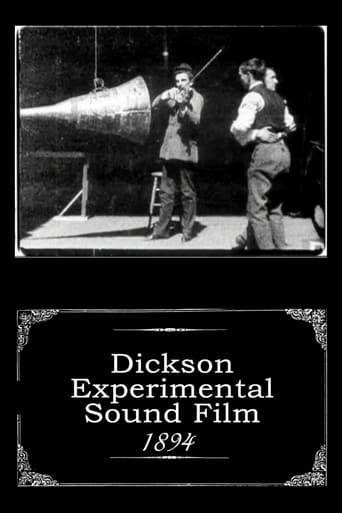

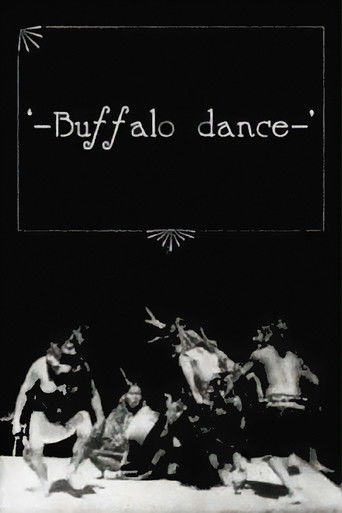
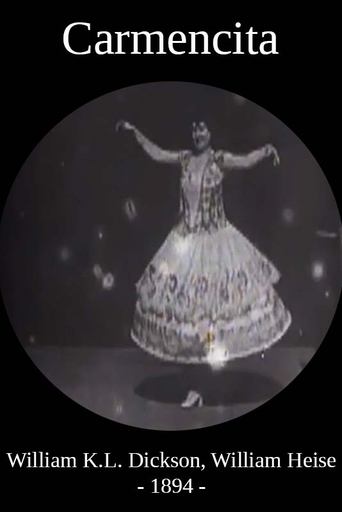
More about this film
About the production
Release date1894
Box officeUnknown - Edison films were sold by the foot rather than earning traditional box office returns
ProductionEdison Manufacturing Company
Filmed inBlack Maria Studio, West Orange, New Jersey
Filmed in Edison's revolutionary Black Maria studio, which was designed with a retractable roof to utilize natural sunlight. The studio was built on a circular turntable that could be rotated to follow the sun's path throughout the day. Annabelle Moore was one of Edison's most popular performers, commanding higher fees than other dancers. The butterfly wings were a special costume addition to distinguish this performance from her other serpentine dances. The film was shot on 35mm film using Edison's Kinetograph camera, which was so heavy it had to be bolted to the floor.
Themes
Artistic expression through movementTechnology enhancing traditional art formsThe beauty of dance and performanceVictorian-era fascination with spectacleThe emergence of cinema as artistic medium
Themes & topics
dancebutterflyperformancesilent filmexperimentalshort filmearly cinemaEdisonBlack Mariaserpentine dance
Historical background
Annabelle Butterfly Dance (1894) belongs to Edison's earliest catalog of performer films.
Why this film matters
Serpentine and butterfly dances were among the first repeatable screen attractions in peep-show parlors.
Making of
The making of 'Annabelle Butterfly Dance' represents a pivotal moment in cinema history. William K.L. Dickson, Edison's chief engineer, had just perfected the Kinetograph camera and was eager to demonstrate its capabilities. The choice to film dancers was strategic - their movements showcased the medium's unique ability to capture motion in ways photography never could. Annabelle Moore was discovered by Edison scouts while performing at the World's Columbian Exposition in Chicago. The filming process was grueling by modern standards - Moore had to perform repeatedly under the hot studio lights, and the camera noise required her to dance to silent cues rather than music. The butterfly costume was specially designed for this performance, with lightweight materials that would flow beautifully during the dance but not obscure Moore's movements from the camera's fixed position.
What critics said
Moralists debated propriety of dance films; historians cite Moore as early screen performer.
Did you know?
- This was one of the first films to feature a named performer, helping establish the concept of film 'stars'
- Annabelle Moore was only 16-17 years old when she filmed this performance
- The film was shot at 40 frames per second, much faster than modern films, making the original playback appear jerky
- Moore was paid $35 per week by Edison, a substantial salary for the time
- The Black Maria studio where this was filmed was the world's first movie production studio
- the production was part of a series of dance films Edison produced to showcase the Kinetoscope
- The butterfly dance was inspired by the popular serpentine dance created by Loie Fuller
- The film was hand-colored in some releases to enhance the visual effects
- Annabelle Moore later became a Broadway star and appeared in Ziegfeld productions
- The original film negative was destroyed in a 1914 Edison laboratory fire
Visual style
The cinematography of 'Annabelle Butterfly Dance' was revolutionary for its time, utilizing the newly perfected Kinetograph camera. The fixed camera position, typical of early films, creates a stage-like presentation that emphasizes Moore's full-body movements. The lighting, provided solely by natural sunlight through the Black Maria's retractable roof, creates a soft, naturalistic quality that enhances the ethereal nature of the performance. The camera's ability to capture the flowing movement of Moore's skirts and wings demonstrated the unique power of motion pictures to document motion. The 35mm film format provided sufficient detail to render the delicate patterns created by the dancer's costume, showcasing the technical capabilities of Edison's system.
Innovations
'Annabelle Butterfly Dance' showcased several groundbreaking technical achievements. The film was shot using Edison's Kinetograph camera, which had just been perfected in 1893 and could capture continuous motion at 40 frames per second. The Black Maria studio where it was filmed featured innovative design elements including a retractable roof for natural lighting and a rotating base to follow the sun's movement. The 35mm film format established by Edison would become the industry standard for decades. The film also demonstrated early understanding of how camera positioning could best capture dance movement, establishing techniques that would influence dance cinematography for generations. The ability to capture flowing fabric and rapid movement represented a significant advancement in motion picture technology.
Music
The original film was silent, as all early Kinetoscope productions were. When exhibited, the films were often accompanied by live music provided by the venue, typically a pianist or small orchestra. The music would have been popular tunes of the 1890s chosen to complement the mood of the performance. Some modern restorations have added period-appropriate music to enhance the viewing experience. The absence of synchronized sound was actually advantageous for dance films, as it allowed venues to adapt the musical accompaniment to local tastes and the specific atmosphere of each exhibition space.
Famous quotes
'A marvel of modern science' - The New York Sun (1894)
'The moving pictures bring Miss Moore's performance to life with startling realism' - Edison Gazette (1894)
Memorable scenes
- The opening sequence where Annabelle Moore first spreads her butterfly wings, creating a stunning visual effect that immediately captivates viewers and features the magical quality of early cinema
What audiences thought
Audiences in 1894 were absolutely captivated by 'Annabelle Butterfly Dance' and similar Kinetoscope films. The experience of seeing moving images for the first time was magical to Victorian-era viewers, who lined up at penny arcades to peer into Edison's viewing machines. The dance films were particularly popular because they showcased movement in ways that static photographs never could. Contemporary accounts describe viewers gasping and applauding as they watched Moore's flowing skirts create patterns on screen. The film's popularity helped establish the commercial viability of motion pictures and encouraged Edison to produce more dance and performance films. Modern audiences viewing the film today often express fascination with its historical significance and the elegant simplicity of its presentation.
Film connections
Influenced by
- Loie Fuller's serpentine dance performances
- Victorian-era stage shows
- Burlesque and vaudeville traditions
- Photographic motion studies by Eadweard Muyvey
This film influenced
- Annabelle Serpentine Dance (1894)
- Trapeze Disrobing Act (1901)
- The Great Train Robbery (1903)
- Early Hollywood dance films
- Music video aesthetics
Film restoration
The film survives in various archives including the Library of Congress and the Museum of Modern Art. Multiple copies exist, though some show varying degrees of deterioration. The original Edison negative was destroyed in a 1914 fire, but duplicate negatives and prints survived. The film has been digitally restored by several institutions and is available in high-quality versions. Some hand-colored versions from the 1890s also survive, showing how early exhibitors enhanced the visual experience.
Where to watch
- Library of Congress National Film Registry website
- Museum of Modern Art online collection
- YouTube (through authorized archives)
- Kino Lorber's 'The Movies Begin' DVD collection
- British Film Institute online archive
- Edison National Historic Site digital collections