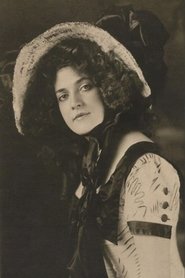
Annabelle Moore
Actor
Born: July 6, 1878 in Chicago, Illinois, United States Died: November 29, 1961 Active: 1894-1895 (film), 1880s-1910s (stage) Birth Name: Annabelle Whitford
Films
2 films

About Annabelle Moore
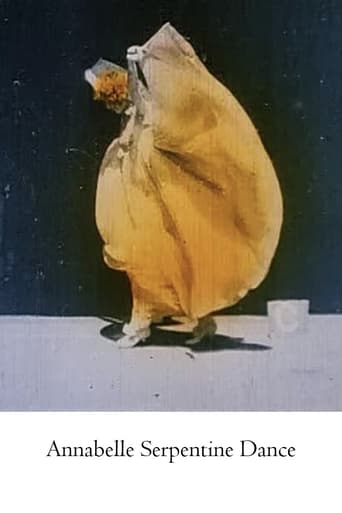
Annabelle Moore, born Annabelle Whitford, was one of the earliest film stars in cinema history, emerging during the experimental phase of motion pictures in the 1890s. She began her career as a stage dancer and performer in Broadway productions before being discovered by Thomas Edison's film studio. Her graceful dance performances were perfectly suited to the new medium of film, where her fluid movements and colorful costumes created mesmerizing visual spectacles for early cinema audiences. Moore became particularly famous for her butterfly and serpentine dances, which were among the first commercially successful films in history. Her work with filmmakers like Thomas Edison and the Lumière brothers helped establish dance as a popular genre in early cinema. Despite her brief film career spanning only 1894-1895, her impact on the nascent film industry was significant, as she was among the first performers to achieve celebrity status through motion pictures. After her film career, she returned to stage performances and continued dancing well into the 20th century, living long enough to witness the transformation of the medium she helped popularize.
The Craft
On Screen
As a dancer rather than a traditional actor, Moore's style was characterized by graceful, flowing movements and expressive physical performance. Her serpentine dance technique involved manipulating long silk ribbons to create hypnotic visual patterns, while her butterfly dance featured rapid, delicate arm movements mimicking wing motion. In the context of early cinema, where sound was nonexistent and acting was often theatrical, her natural dance movements translated well to the silent medium, creating purely visual entertainment that required no intertitles or dialogue.
Milestones
- Starred in some of the first commercially successful motion pictures
- Performed in Edison's Black Maria studio
- Featured in the popular Annabelle Butterfly Dance series
- Pioneered dance as a film genre
- Became one of the first film celebrities in history
Best Known For
Iconic Roles
Must-See Films
Accolades
Special Recognition
- Recognized as one of cinema's first film stars
- Honored in early cinema retrospectives and film history archives
- Featured in the Museum of Modern Art's early film collection
Working Relationships
Worked Often With
Studios
Why They Matter
Impact on Culture
Annabelle Moore played a crucial role in establishing cinema as a viable entertainment medium. Her films were among the first to demonstrate that motion pictures could capture the beauty and grace of performance art, paving the way for future dance films and musicals. Her popularity helped prove that audiences would pay to see films featuring charismatic performers, establishing the star system that would define Hollywood for decades. Moore's work also demonstrated the commercial potential of short films, influencing the development of the film industry's business model. Her serpentine dance films were particularly significant as they showcased cinema's ability to create visual effects and illusions that were impossible in live theater.
Lasting Legacy
Annabelle Moore's legacy lies in her status as one of cinema's earliest stars and a pioneer of dance on film. Her performances are preserved in film archives and studied by cinema historians as examples of early film artistry. She represents the transition from stage performance to screen performance and helped establish dance as a recurring genre in cinema history. Her films continue to be shown in retrospectives of early cinema, and she is frequently cited in film history books as one of the first performers to achieve celebrity through motion pictures. Moore's work demonstrates how even in cinema's infancy, performers could create art that transcended the technical limitations of the medium.
Who They Inspired
Moore influenced the development of dance in cinema by establishing conventions that would persist for decades. Her use of colorful costumes and flowing fabrics in dance performances inspired later filmmakers and choreographers working in the musical genre. Her success proved that dance could be a central element of cinematic storytelling, influencing generations of performers from Ginger Rogers to modern music video artists. Early filmmakers learned from her performances how to best capture movement on camera, and her work helped establish techniques for filming dance that would be refined throughout cinema history.
Off Screen
Annabelle Moore married Edward James Buchan in 1910, a Scottish-born businessman. The couple had no children. After her brief but influential film career, she continued performing on stage and later taught dance. She lived a relatively quiet life in her later years, witnessing the dramatic evolution of the film industry from its infancy to the golden age of Hollywood. Her longevity allowed her to be rediscovered by film historians in the 1950s, who recognized her role in cinema history.
Education
Trained in dance from childhood, likely received formal dance education in Chicago during the 1880s
Family
- Edward James Buchan (1910-1961, her death)
Did You Know?
- She was one of the first performers to receive film royalties for her work
- Her films were hand-colored frame by frame, making them among the first color films in history
- She performed for Queen Victoria during a European tour
- The Edison studio paid her $15 per film, a substantial sum for the 1890s
- Her butterfly dance costume weighed over 20 pounds due to the elaborate wing mechanisms
- She was discovered while performing at the World's Columbian Exposition in Chicago in 1893
- Her films were often pirated and shown by competing film companies without her permission
- She appeared in more than 20 short films between 1894 and 1895
- Her serpentine dance was inspired by the performances of Loïe Fuller
- She continued performing dance well into her 40s, long after her film career ended
In Their Own Words
I never imagined that those little moving pictures would become such a wonderful industry, but I'm proud to have been there at the beginning.
Dancing for the camera was different from dancing for an audience - you had to make every movement count because the camera saw everything.
Frequently Asked Questions
Who was Annabelle Moore?
American dancer and actress who became one of the first film stars in cinema history during the 1890s. She was famous for her butterfly and serpentine dance films produced by Thomas Edison's studio, which were among the earliest commercially successful motion pictures.
What films is Annabelle Moore best known for?
Titles linked here include Annabelle Butterfly Dance (1894), Annabelle Butterfly Dance (1895).
When was Annabelle Moore born and when did she die?
Born July 6, 1878; died November 29, 1961.
What awards did Annabelle Moore win?
During her lifetime, Annabelle Moore did not receive formal awards as the film industry had not yet established award systems. However, she is now recognized by film historians and archives as a figure in early cinema history, with her films preserved and studied as important artifacts of film's beginnings.
What was Annabelle Moore's acting/directing style?
Moore was primarily a dancer rather than a traditional actor, and her style was characterized by graceful, flowing movements and expressive physical performance. Her serpentine dance involved manipulating long silk ribbons while her butterfly dance featured delicate arm movements, both perfectly suited to the visual nature of early silent cinema.