Annie Oakley
"short Edison Black Maria studio film featuring famed sharpsh"
Keys: Space play/pause · ←/→ 10s · F fullscreen · M mute · </> speed
About this film
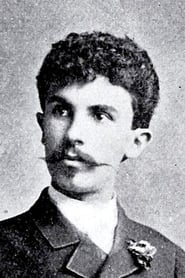
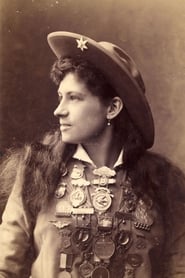
A short Edison Black Maria studio film featuring famed sharpshooter Annie Oakley, known as “Little Sure Shot.” Born Phoebe Ann Oakley Mozee in Ohio in 1860, she rose to global fame performing with Buffalo Bill’s Wild West show. Accompanied (likely) by her husband and fellow marksman Frank Butler, Oakley’s diminutive stature belied her legendary marksmanship.
Cast & crew
More films like this
More Documentary films
View all →
More from William K.L. Dickson
View all →
More about this film
About the production
Release dateNovember 1894
Box officeNot applicable - early Edison films were not commercial releases in the modern sense but were exhibited for individual viewing on kinetoscopes at 5 cents per viewing
ProductionEdison Manufacturing Company
Filmed inBlack Maria Studio, West Orange, New Jersey
Filmed in Edison's revolutionary Black Maria studio, which was designed to rotate to follow the sun's natural light. The studio was covered in tar paper to create a dark interior, with a retractable roof that could be opened to allow sunlight in for filming. Annie Oakley was paid $50 for her appearance, a significant sum for the time. The picture was shot on 35mm film using Edison's Kinetograph camera, which could only capture about 15-20 seconds of footage at a time. The entire production process, from setup to filming, took approximately one day.
Themes
Celebrity and fameAmerican frontier mythologyWomen's empowermentSkill and precisionEntertainment and spectacle
Themes & topics
sharpshootingperformanceWild Westmarksmanshipcelebritydocumentaryshort filmsilent filmBlack MariaEdisonearly cinemaAmerican iconshootingskills demonstration
Historical background
By 1894, Edison Manufacturing Company was supplying United States theaters with titles like Annie Oakley, part of the broader expansion of filmed entertainment into working-class districts and small towns.
Why this film matters
Programmers and historians revisit Annie Oakley (1894) because its story—a short edison black maria studio film featuring famed sharpshooter annie oakley, known as “little sure shot—illustrates popular narrative habits and production norms of the period.
Making of
The filming of 'Annie Oakley' took place during a revolutionary period in entertainment history, when Thomas Edison's company was pioneering motion picture technology. William K.L. Dickson, Edison's chief engineer and the picture's director, had been working on motion picture technology since the late 1880s. The Black Maria studio, where was shot, was the world's first purpose-built film production facility. Annie Oakley and her husband Frank Butler traveled to West Orange, New Jersey specifically for ing session, which was part of Edison's efforts to capture famous performers of the day on film. The filming process was grueling by modern standards - performers had to perform under hot studio lights (actually direct sunlight) while the noisy camera machinery operated nearby. Oakley had to perform her shooting feats multiple times to ensure adequate footage was captured, as the early cameras could only film for short durations before needing to be reloaded.
What critics said
English-language trade reviews of Annie Oakley are limited for 1894. Where notices survive, they stress pacing and photographic clarity; later criticism values the title as archival evidence of studio style.
Did you know?
- This is one of the earliest films to feature a famous celebrity and one of the first sports documentaries in cinema history
- Annie Oakley was 34 years old when was made, at the peak of her international fame
- the picture was part of Edison's 'Buffalo Bill' series, which included multiple films featuring performers from Buffalo Bill's Wild West show
- Annie Oakley could reportedly shoot a dime tossed in midair from 90 feet away, though this feat was not captured in the short film
- The Black Maria studio was nicknamed the 'Doghouse' by Edison's staff due to its cramped conditions and poor ventilation
- was originally viewed individually on Edison's Kinetoscope peep-show devices, not projected for audiences
- Annie Oakley's real name was Phoebe Ann Oakley Mozee, and she stood only 5 feet tall
- the picture was shot on a single reel of film that had to be manually cranked through the camera at approximately 46 frames per second
- Edison's company produced multiple films of Oakley that day, including 'Annie Oakley' and 'Annie Oakley's Shooting'
- predates the first projected motion picture exhibition in America by about two years
- Annie Oakley taught over 15,000 women how to shoot throughout her career, believing firearms training was important for women's empowerment
Visual style
The cinematography of 'Annie Oakley' represents some of the earliest camera work in cinema history. Shot using Edison's Kinetograph camera, the picture employs a single static camera position, typical of early Black Maria productions. The camera was positioned to capture a full-length view of Oakley, allowing viewers to see her entire body as she performed her shooting demonstrations. The lighting was entirely natural, coming through the open roof of the Black Maria studio, which rotated throughout the day to follow the sun. the picture was shot at approximately 46 frames per second, faster than modern standard frame rates, which contributes to the somewhat jerky motion when viewed today. The composition is straightforward and functional, prioritizing clear visibility of the action over artistic considerations, which was standard for the cinema of attractions era.
Innovations
represents several significant technical achievements in early cinema history. It was produced using Edison's Kinetograph camera, one of the first practical motion picture cameras, which employed a continuous feed of 35mm film with perforations - a format that would become the industry standard for decades. the picture the early use of the Black Maria studio's innovative design, including its ability to rotate to optimize natural lighting conditions. The successful capture of rapid motion (Oakley's shooting) demonstrated the camera's ability to record fast movement without excessive blurring, a significant technical challenge for early motion picture equipment. the picture also represents an early example of documentary-style filming, capturing real action rather than staged theatrical performances, which required different technical approaches to lighting and composition.
Music
The original film was silent, as synchronized sound technology would not be developed until the late 1920s. When exhibited in Kinetoscope parlors, the viewing experience was purely visual with no musical accompaniment. In later years, when the picture has been shown in theaters or museums, it has typically been presented with period-appropriate piano music or other live musical accompaniment that would have been common during the early cinema period. The choice of music for modern presentations often includes popular songs from the 1890s or original compositions meant to evoke the atmosphere of Buffalo Bill's Wild West show.
Memorable scenes
- The opening shot showing Annie Oakley standing ready with her rifle, demonstrating the poised confidence that made her famous. The sequence where she raises her rifle and fires at unseen targets, with the camera capturing the fluid motion of her shooting technique. The final moments where she stands with her rifle, having completed her demonstration, representing both the end of the performance and the preservation of her legacy on film.
What audiences thought
Early audiences who viewed 'Annie Oakley' on Edison's Kinetoscope machines were reportedly fascinated by the lifelike movement and detail captured in the picture. The experience of seeing a famous performer in motion was revolutionary for viewers accustomed to static photographs or live performances. Contemporary accounts suggest that audiences were particularly amazed by the clarity with which Oakley's shooting movements were captured, with many viewers returning multiple times to watch the brief film. the picture was popular enough that Edison produced multiple versions featuring Oakley, indicating strong public interest. The novelty of seeing moving images of someone so famous created a sensation among the urban middle-class audiences who had access to Kinetoscope parlors in major cities.
Film connections
Influenced by
- Buffalo Bill's Wild West show performances
- Edison's earlier experimental films
- Photographic traditions of capturing famous personalities
- Vaudeville performance styles
- Circus and sideshow entertainment formats
This film influenced
- Edison's subsequent Buffalo Bill series films
- Early sports and performance documentaries
- Biographical short films of the 1900s-1910s
- Western genre films featuring sharpshooters
- Documentary portraits of performers
Film restoration
the picture is preserved and available through several archives, including the Library of Congress and the Museum of Modern Art's film collection. Multiple copies and versions exist, though some show varying degrees of deterioration common to films from this era. the picture has been digitized and is part of various early cinema collections and online archives. Given its historical importance, it has been carefully preserved as part of America's film heritage.
Where to watch
- Library of Congress National Screening Room
- Museum of Modern Art Film Collection
- Early Cinema archives
- Various documentary streaming services featuring early films
- Educational film collections
- Museum exhibitions on early cinema history