Annie Oakley
Actor
Born: August 13, 1860 in North Star, Ohio, United States Died: November 3, 1926 Active: 1875-1926 Birth Name: Phoebe Ann Mosey (also spelled Moses)
Films
1 film
About Annie Oakley
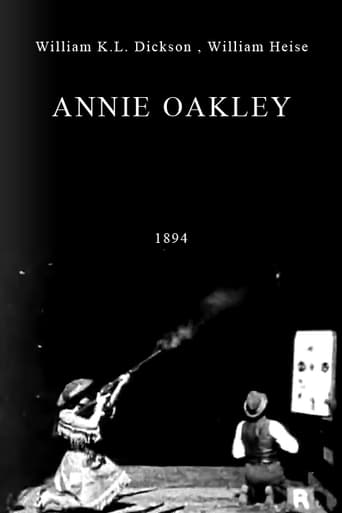
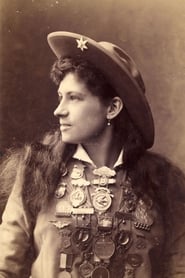
Annie Oakley, born Phoebe Ann Mosey, was an American sharpshooter and exhibition shooter who rose to international fame as a star of Buffalo Bill's Wild West Show. Born in a log cabin in rural Ohio, she began hunting and shooting at age eight to help support her family after her father's death. Her exceptional marksmanship skills led to a career in show business when she defeated traveling sharpshooter Frank E. Butler in a shooting contest, whom she later married. Oakley joined Buffalo Bill's Wild West Show in 1885 and quickly became its star attraction, performing for royalty and heads of state across Europe and America. In 1894, she became one of the first real-life personalities to appear in motion pictures when Thomas Edison filmed her demonstrating her shooting skills. Despite being partially paralyzed in a 1901 train accident, she continued performing and advocating for women's rights and military preparedness until her death in 1926.
The Craft
On Screen
Natural and authentic performance style, demonstrating real shooting abilities rather than theatrical acting. Her screen presence was characterized by confidence, precision, and showmanship, reflecting her actual skills as a sharpshooter rather than rehearsed performance techniques.
Milestones
- Defeated Frank Butler in shooting match (1875)
- Joined Buffalo Bill's Wild West Show (1885)
- Performed for Queen Victoria (1887)
- Appeared in Edison's film 'Annie Oakley' (1894)
- Survived serious train accident (1901)
- Set numerous shooting records
- Advocated for women's military service during WWI
Best Known For
Iconic Roles
Must-See Films
Accolades
Won
- Inducted into National Cowgirl Hall of Fame (1973)
- Inducted into National Women's Hall of Fame (1993)
- Featured on U.S. Commemorative quarter (1999)
Special Recognition
- Statue at Garst Museum in Greenville, Ohio
- Annie Oakley Foundation established in her memory
- Multiple schools and buildings named in her honor
- U.S. Postal Service commemorative stamp (1994)
Working Relationships
Worked Often With
Studios
Why They Matter
Impact on Culture
Annie Oakley broke numerous barriers for women in the late 19th and early 20th centuries, challenging gender stereotypes through her exceptional shooting abilities and public performances. Her appearance in early motion pictures helped legitimize film as a medium for capturing real-life personalities and events, paving the way for future documentary and biographical films. She embodied the American frontier spirit during a period of rapid industrialization, becoming a symbol of independence, skill, and Western heritage. Oakley's fame transcended entertainment, influencing fashion (her practical yet feminine attire), women's rights advocacy, and military preparedness discussions.
Lasting Legacy
Annie Oakley's legacy extends far beyond her shooting prowess; she remains an iconic figure in American history representing female empowerment, frontier values, and the transition from Wild West shows to modern entertainment. Her early film appearances marked her as a pioneer in cinema history, while her advocacy for women's rights and military service demonstrated her forward-thinking vision. The countless books, films, and plays inspired by her life, including the Irving Berlin musical 'Annie Get Your Gun,' testify to her enduring cultural significance. Her image as 'Little Sure Shot' continues to symbolize precision, confidence, and the breaking of gender barriers.
Who They Inspired
Annie Oakley directly influenced generations of female shooters and performers, demonstrating that women could excel in traditionally male-dominated fields. Her success in show business and early cinema helped pave the way for other female performers and athletes to gain public recognition. Her advocacy for women's military training during World War I contributed to changing attitudes about women's roles in society. Many later Western film stars, particularly female sharpshooters in movies and television, drew inspiration from her real-life persona and achievements.
Off Screen
Annie Oakley married Frank E. Butler in 1876 after defeating him in a shooting competition. Their marriage lasted 50 years until her death. The couple had no children but were devoted to each other and often performed together. Oakley was deeply religious and a teetotaler, known for her charitable work and advocacy for women's rights. She was particularly passionate about teaching women to shoot for self-defense and sport.
Education
Limited formal education due to poverty; was largely self-taught in shooting and other skills
Family
- Frank E. Butler (1876-1926)
Did You Know?
- Could shoot a playing card edge-on from 30 paces
- Taught over 15,000 women how to shoot
- Could shoot holes through dimes thrown in the air
- Once shot the ashes off a cigarette held by Kaiser Wilhelm II
- Her nickname 'Little Sure Shot' was given by Chief Sitting Bull
- She could split playing cards in half from 90 feet away
- Donated all her show earnings to charities during WWI
- Could shoot while riding a bicycle
- Her shooting glasses were made of ground glass
- She was the first American female superstar
In Their Own Words
'Aim at a high mark and you'll hit it. No, not the first time, not the second time and maybe not the third. But keep on aiming and keep on shooting for only practice will make you perfect. Finally you'll hit the bull's-eye of success.'
'I would like to see every woman know how to handle guns as naturally as they know how to handle babies.'
'I've made a good deal of money in my time, but I never believe in wasting a dollar of it.'
'God intended women to be outside as well as men, and they do not know what they are missing when they stay cooped up in the house.'
Frequently Asked Questions
Who was Annie Oakley?
Legendary American sharpshooter and exhibition shooter who gained international fame as a star of Buffalo Bill's Wild West Show. She was one of the first real-life personalities to appear in motion pictures, appearing in Thomas Edison's 1894 film 'Annie Oakley' demonstrating her incredible shooting abilities.
What films is Annie Oakley best known for?
Titles linked here include Annie Oakley (1894), The Little Sure Shot of the Wild West (1894).
When was Annie Oakley born and when did she die?
Born August 13, 1860; died November 3, 1926.
What awards did Annie Oakley win?
While Annie Oakley received no formal awards during her lifetime, she has been posthumously honored with numerous recognitions including induction into the National Cowgirl Hall of Fame (1973) and National Women's Hall of Fame (1993). She was featured on a U.S. Commemorative quarter in 1999 and has had countless schools, buildings, and organizations named in her honor.
What was Annie Oakley's shooting style?
Annie Oakley's shooting style was characterized by incredible precision, speed, and consistency. She was ambidextrous and could shoot accurately from various positions, including while riding a horse or bicycle. Her technique involved quick reflexes and steady hands, allowing her to perform seemingly impossible feats like shooting the ashes off cigarettes or splitting playing cards in half from great distances.
How did Annie Oakley impact early cinema?
Annie Oakley's appearance in Edison's 1894 films made her one of the first real celebrities to appear in motion pictures. Her films helped demonstrate cinema's ability to capture and preserve real-life performances and personalities, paving the way for future documentary films and biographical features. Her success in these early films showed that audiences were interested in seeing real people with extraordinary abilities on screen.
What was Annie Oakley's relationship with Buffalo Bill?
Annie Oakley joined Buffalo Bill's Wild West Show in 1885 and quickly became its star attraction, remaining with the show for 17 years. William 'Buffalo Bill' Cody recognized her talent immediately and paid her $50 per week, making her one of the highest-paid performers in the show. Their professional relationship was highly successful, and she performed for royalty and heads of state across Europe and America as part of Cody's troupe.