Antosha, Ruined by a Corset!
"Taking advantage of his wife's temporary leave, Anton and his female friends…"
Keys: Space play/pause · ←/→ 10s · F fullscreen · M mute · </> speed
About this film
Taking advantage of his wife's temporary leave, Anton and his female friends are having fun. The midst of all the revelry, he receives a telegram that she is to return this morning. Anton sees off his visitors and tries to reestablish order, but suddenl
Cast & crew
More films like this
More Comedy films
View all →







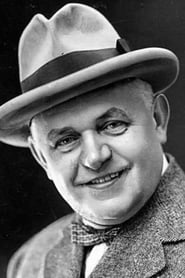
More from Edward Puchalski
View all →More about this film
About the production
Release date1916
ProductionSfinks
Filmed inWarsaw, Poland
This was one of many comedies produced by the Sfinks studio during World War I, taking advantage of the public's desire for escapist entertainment during difficult times. The film was shot quickly on a modest budget, typical of the prolific Polish film industry of the era. The corset prop became a central comedic element, requiring careful timing in the physical comedy sequences.
Themes
Marital infidelityDomestic comedyPanic and desperationGender rolesSocial propriety
Themes & topics
corsetinfidelitywife returnspanichidden evidencepartynear discovery
Historical background
Released in 1916 during the silent era's formative years, Antosha, Ruined by a Corset! reached audiences when exhibitors were still defining programming conventions. The narrative hook—Taking advantage of his wife's temporary leave, Anton and his female friends…—reflects what contemporary producers thought would draw viewers.
Why this film matters
Antosha, Ruined by a Corset! remains discussed by archivists tracing how screen stories of its period represented work, desire, conflict, and social order. Its central situation—Taking advantage of his wife's temporary leave, Anton and his female friends…—still prompts questions about genre conventions and audience expectations.
Making of
The film was shot during a difficult period in Polish history, with the country under occupation during World War I. Despite these challenges, the Polish film industry continued to produce entertainment for domestic audiences. Edward Puchalski and Antoni Fertner had a successful professional partnership, collaborating on numerous comedies that showcased Fertner's talent for physical comedy and timing. The production would have been filmed on location or in makeshift studios in Warsaw, with basic equipment by modern standards. The corset prop became the centerpiece of the film's physical comedy, requiring precise choreography to maximize the comedic effect of Anton's desperate attempts to hide it.
What critics said
Trade and newspaper notices for Antosha, Ruined by a Corset! generally emphasized casting, spectacle, and program fit rather than extended aesthetic argument. Retrospective screenings and archival notes continue to shape how viewers evaluate Antosha, Ruined by a Corset! today.
Did you know?
- Antoni Fertner, the star of the film, was one of Poland's most popular comic actors of the silent era, often called the 'Polish Chaplin'
- Director Edward Puchalski was a pioneer of Polish cinema, having directed Poland's first feature film 'Historia rodu' in 1911
- The film was produced during World War I, when Poland was occupied by foreign powers, making entertainment particularly important for morale
- The corset as a comedic prop was considered quite risqué for its time, pushing the boundaries of what was acceptable in comedy
- This was one of over 100 films Fertner appeared in during his career, which spanned from the early 1900s to the 1930s
- The original Polish title was 'Antosza, zrujnowany przez gorset'
- The film was part of a series of popular 'Antosha' comedies featuring the character created by Fertner
- Silent films of this era often used intertitles in multiple languages to appeal to diverse audiences in the multi-ethnic regions of Poland
- The Sfinks studio was one of Poland's most important early film production companies
- Many Polish films from this period were lost or destroyed during World War II
Visual style
As a typical comedy short of the silent era, the cinematography would have been straightforward and functional, focusing on clearly capturing the physical comedy and actors' expressions. The camera work likely employed static shots with minimal movement, using medium shots to capture the actors' performances and close-ups for emotional reactions. The lighting would have been basic, using available natural light and simple artificial illumination. The visual style prioritized clarity and comedy over artistic experimentation, which was typical for comedies of this period.
Innovations
The film does not appear to have introduced any significant technical innovations, instead employing standard techniques of the period. Its technical achievement lies in its effective use of basic film technology to create comedy, particularly in the timing of physical gags and the visual storytelling necessary for silent cinema. The production demonstrates how Polish filmmakers of the era were able to work within technical limitations to produce entertaining content that resonated with local audiences.
Music
As a silent film, it would have been accompanied by live music during theatrical screenings, typically a pianist or small orchestra in urban theaters. The music would have been selected to match the mood of each scene, with lively, upbeat music during the party scenes and more frantic, comedic music during Anton's panic. The score likely consisted of popular tunes of the era and classical pieces adapted for film accompaniment. No original composed score exists for the film, as was common for productions of this scale and period.
Famous quotes
A corset left behind is more dangerous than a love letter forgotten
In the panic of a wife's return, every moment is an eternity
Memorable scenes
- The frantic search for the forgotten corset as Anton's wife's arrival approaches, with Anton checking every hiding place in increasing desperation
What audiences thought
The film was well-received by Polish audiences of the time, who appreciated its lighthearted approach to the familiar theme of marital infidelity and near-discovery. Antoni Fertner's popularity ensured good attendance, and the film's humor resonated with urban audiences in Warsaw and other Polish cities. The 'Antosha' character became something of a cultural touchstone, with audiences eagerly anticipating each new installment in the series. The film's success at the box office demonstrated the continued appetite for entertainment even during wartime occupation.
Film connections
Influenced by
- French comedies of the era
- American slapstick comedy
- European farce traditions
This film influenced
- Other Antosha films
- Polish domestic comedies of the 1920s
Film restoration
The preservation status of this specific film is unclear, as many Polish films from this period were lost or destroyed during World War II. Some sources suggest fragments may exist in Polish film archives, but a complete print may not survive. The film represents one of many casualties of wartime destruction of cultural heritage.
Where to watch
- Polish Film Archive (Warsaw)
- Potential screenings at silent film festivals
- Academic film collections specializing in early Polish cinema