



Atom Age Vampire
"Beauty restored — at a terrible price."
Keys: Space play/pause · ←/→ 10s · F fullscreen · M mute · </> speed
About this film
When a singer is horribly disfigured in a car accident, a scientist develops a treatment which can restore her beauty by injecting her with a special serum. While performing the procedure, however, he falls in love with her. As the treatment begins to fail, he determines to save. Despite there being no vampires in the film, it was released in the US as Atom Age Vampire in 1963 in an 87-minute version. It was further shortened for English language DVD release.
Cast & crew
More Horror films
View all →

More about this film
About the production
Release dateAugust 30, 1960 (Italy), October 1962 (United States)
BudgetApproximately 50 million Italian lire (estimated)
Box officeModest commercial success in Italy and Europe, performed adequately in US drive-in theaters
ProductionTitanus, Compagnia Cinematografica Champion
Filmed inRome, Italy, Titanus Studios, Rome
The film was shot in black and white with some sequences tinted for effect. The makeup effects for the disfigurement scenes were considered quite graphic for the time period. Production faced challenges with Italian censorship boards due to the horror elements and implied violence.
Themes
Obsessive loveThe price of beautyScientific ethicsMad scientist archetypeTransformation and identity
Themes & topics
disfigurementmad scientistserummurderobsessionbeautytransformationcar accidentnightclub singerharvesting glands
Historical background
Postwar screen culture in 1960 faced television competition, shifting star systems, and new international co-production models. Archival sources describe Atom Age Vampire as 1960 italian horror film. Contemporary context can be traced through sources such as the Wikipedia article on Atom Age Vampire.
Why this film matters
Atom Age Vampire remains part of the screen heritage of its era, offering evidence of prevailing genres, production methods, and audience tastes. Later revivals, archive screenings, and digitization have kept such titles accessible to researchers and dedicated viewers long after their first commercial runs.
Making of
The production faced significant challenges with Italian censorship, which was particularly strict regarding horror content in the early 1960s. The filmmakers had to submit multiple cuts before receiving approval for theatrical release. The makeup effects, while crude by modern standards, were considered quite shocking for contemporary audiences and required extensive testing to achieve the desired level of grotesque disfigurement. Director Majano, coming from a background in serious drama, reportedly struggled with the horror elements and focused more on the psychological aspects of obsession and unrequited love. The film was shot quickly on a modest budget at Titanus Studios in Rome, with many scenes filmed at night to accommodate the limited production schedule. The American version was significantly re-edited by AIP (American International Pictures), who added new footage and changed character names to make it more accessible to US audiences.
What critics said
Reception records for Atom Age Vampire are uneven; interest today is concentrated among archivists, historians, and viewers of older cinema. Modern assessment tends to emphasize historical value, craft, and cultural context rather than box-office performance.
Did you know?
- The film's original Italian title was 'Seddok, l'erede di Satana' (Seddok, Heir of Satan), but American distributors retitled it 'Atom Age Vampire' to capitalize on the atomic age horror trend.
- Director Anton Giulio Majano was primarily known for dramatic films and TV productions, making this horror film an unusual entry in his filmography.
- The film's 'vampire' element is misleading - the scientist doesn't drink blood but rather harvests glands from his victims, making it more of a scientific horror film.
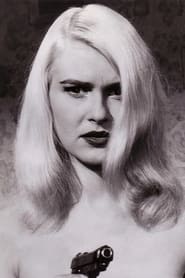
- Susanne Loret was a former Miss Italy contestant who transitioned to acting, with this being one of her most prominent film roles.
- The American version removed approximately 15 minutes of footage and added new scenes with different actors to make it more palatable for US audiences.
- The film was part of a wave of Italian horror films in the early 1960s that followed the international success of films like 'Black Sunday' (1960).
- The special effects makeup for the disfigurement scenes was created by Italian makeup artist Giannetto De Rossi, who would later work on many classic horror films.
- The film was released in different markets under various titles including 'Seddok' and 'The Vampire and the Ballerina' in some regions.
- Despite the title, there are no actual vampires in the film - the 'vampire' metaphor refers to the scientist's parasitic need to kill women to sustain Jeanette's beauty.
- The film's poster art in the US emphasized the monster aspect far more than the actual film content, creating misleading expectations for audiences.
Visual style
The cinematography, handled by Mario Montuori, utilizes stark black and white contrast to create a Gothic atmosphere reminiscent of classic horror films while maintaining a contemporary feel. The film employs dramatic lighting techniques, particularly in the laboratory scenes where shadows and harsh lighting emphasize the scientific horror elements. Camera work is generally straightforward but effective, with several tracking shots during the murder sequences that build tension. The disfigurement scenes use close-up photography to maximize the shock value of the makeup effects. The film's visual style bridges classic horror cinematography with more modern techniques, creating a distinctive look that reflects its transitional place in horror cinema history.
Innovations
While not groundbreaking in technical terms, the film achieved notable effectiveness in its makeup effects for the disfigurement scenes, which were considered quite graphic for 1960. The transformation sequences used practical effects and makeup techniques that, while crude by modern standards, were effective in shocking contemporary audiences. The film's laboratory sets featured elaborate equipment that helped establish the scientific horror atmosphere. The cinematography's use of shadow and light created effective mood despite budget limitations. The film's sound design, particularly in the murder sequences, used audio techniques to enhance the horror elements without relying on excessive gore.
Music
The musical score was composed by Carlo Innocenzi, who created a dramatic orchestral soundtrack that emphasized the film's horror elements while incorporating romantic themes for the love story aspects. The music uses traditional horror film conventions with dissonant strings and brass stingers during tense moments, but also features more melodic passages during the romantic scenes. The soundtrack effectively enhances the film's atmosphere, particularly in the laboratory sequences where the music builds tension. The score has been noted by film music historians as an effective example of early 1960s European horror film composition, balancing traditional horror elements with more contemporary musical approaches.
Famous quotes
Beauty is a terrible power when it's taken away from you.
I would kill for you, Jeanette. I would do anything to keep you beautiful.
Science is a weapon, and in the wrong hands, it can become the most terrible of all.
Every face has a price, and I'm willing to pay it.
Memorable scenes
- The opening car accident sequence where Jeanette is disfigured, using effective makeup and editing to convey the horror of the moment.
- The first transformation scene where Levin's serum begins to fail, with Jeanette's face gradually reverting to its disfigured state.
- The laboratory sequence where Levin prepares his serum, with elaborate equipment and dramatic lighting creating a mad scientist atmosphere.
- The final confrontation between Levin and Jeanette, where the full extent of his obsession and transformation is revealed.
What audiences thought
Initial audience reception was generally positive among horror fans, particularly in drive-in theaters where it found its primary American audience. The film's sensational title and lurid poster art attracted teenagers and horror enthusiasts looking for shock entertainment. Italian audiences responded moderately well, though it didn't achieve the same level of success as some contemporary horror productions. Over time, the film has developed a cult following among vintage horror enthusiasts, with many appreciating its place in horror history and its distinctive early 1960s aesthetic. The film's reputation has grown in cult film circles, where it's often discussed alongside other Italian horror classics of the era.
Film connections
Influenced by
- Frankestein (1931)
- Eyes Without a Face (1960)
- The Fly (1958)
- Black Sunday (1960)
This film influenced
- The Awful Dr. Orlof (1962)
- The Man Who Could Cheat Death (1959)
- The Vampire Lovers (1970)
Film restoration
The film survives in various formats including 35mm prints and digital transfers. The original Italian version has been preserved by Italian film archives, while the American version exists in the AIP collection. Multiple home video releases have been produced, with some restoration work done for DVD and Blu-ray releases by specialty labels like Severin Films and MVD Entertainment Group. The film is not considered at risk of being lost, though some differences between versions remain of interest to preservationists.
Where to watch
- Available on Blu-ray from Severin Films
- Streaming on Amazon Prime Video
- Available on DVD from various specialty labels
- Available for digital rental/purchase on iTunes and Google Play
- Occasionally airs on horror movie streaming services like Shudder