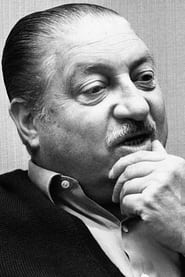
Anton Giulio Majano
Director
Born: July 5, 1909 in Chieti, Italy Died: August 8, 1994 Active: 1937-1975
Films
1 film
About Anton Giulio Majano
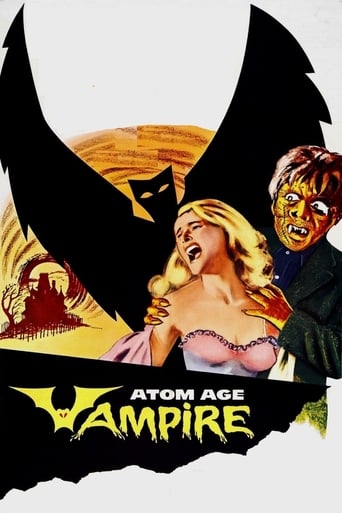
Influential Italian film director and screenwriter: over four decades in Italian cinema and television. Born in Chieti, Italy, in 1909, Majano began his career in the film industry during the 1930s, initially working as a screenwriter before transitioning to directing. He established himself as a versatile filmmaker capable of working across multiple genres, including drama, adventure, horror, and comedy. His 1960 film 'Atom Age Vampire' (Seddok, l'erede di Satana) became one of his most internationally recognized works, exemplifying the distinctive style of Italian horror cinema during that era. Throughout his career, Majano demonstrated exceptional skill in creating atmospheric tension and compelling narratives, often exploring themes of transformation and scientific experimentation. In the later years of his career, he successfully transitioned to television, where he directed numerous popular series and adaptations, becoming one of the pioneers of Italian television drama. His work reflected the evolution of Italian media, bridging the gap between classic cinema and modern television production, and he remained an active and respected figure until his retirement in the 1970s.
The Craft
Behind the Camera
Known for his atmospheric visual storytelling and ability to create tension through lighting and composition. Majano's directing style emphasized psychological depth and often incorporated elements of Gothic horror mixed with contemporary scientific themes. His approach to filmmaking was characterized by careful attention to visual aesthetics and a talent for extracting strong performances from his actors.
Milestones
- Directed 'Atom Age Vampire' (1960)
- Pioneered Italian television drama direction
- Wrote screenplays for over 30 films
- Directed 'Il segreto delle tre punte' (1963)
- Created popular TV adaptations of literary classics
Best Known For
Must-See Films
Accolades
Won
- Silver Ribbon for Best Director (Nastro d'Argento) nomination
- Italian Golden Globe nomination for Best Director
Nominated
- Nastro d'Argento for Best Director (1961)
- Golden Globe for Best Director (1964)
Special Recognition
- Honored at the Venice Film Festival for contributions to Italian cinema
- Recognized by Italian Television Association for TV drama
Working Relationships
Worked Often With
Studios
Why They Matter
Impact on Culture
Anton Giulio Majano played a significant role in shaping Italian horror cinema during its golden age, particularly with 'Atom Age Vampire,' which became a cult classic internationally. His work helped establish Italy as a major producer of horror films in the 1960s, influencing the aesthetic and thematic direction of the genre. Majano's transition to television was equally impactful, as he helped establish the language of Italian television drama, adapting classic literary works for the small screen and making them accessible to a broader audience. His films often reflected the anxieties of post-war Italian society, exploring themes of scientific progress and its moral implications.
Lasting Legacy
Majano's legacy endures through his diverse body of work that spans both cinema and television, showcasing his versatility as a storyteller. His horror films, particularly 'Atom Age Vampire,' continue to be studied and appreciated by film scholars and horror enthusiasts for their unique blend of Gothic elements and modern scientific themes. His work in Italian television drama established standards and techniques that would influence generations of Italian television directors. Majano is remembered as a bridge between classic Italian cinema and modern television, having successfully navigated both mediums while maintaining his distinctive artistic vision.
Who They Inspired
Majano influenced subsequent generations of Italian horror directors, including Lucio Fulci and Mario Bava, through his innovative use of atmosphere and psychological tension. His approach to adapting literary works for television created a template for future Italian TV productions. His work demonstrated that Italian filmmakers could successfully compete in international markets, particularly in the horror genre, inspiring other Italian directors to pursue similar paths. Majano's techniques for creating suspense and his visual storytelling methods continue to be referenced in contemporary Italian cinema and television.
Off Screen
Majano maintained a relatively private personal life despite his public career. He was known to be deeply passionate about literature and often adapted literary works for both film and television. He spent his later years in Rome, where he continued to be involved in mentoring young filmmakers until his death in 1994 at the age of 85.
Education
Studied literature and philosophy at the University of Rome before entering the film industry
Family
- Information not publicly available
Did You Know?
- 'Atom Age Vampire' was released under multiple international titles including 'Seddok, l'erede di Satana' in Italy
- The film was shot in just three weeks, a common practice for Italian productions of that era
- Majano was one of the first Italian directors to successfully transition from film to television
- He often wrote his own screenplays, maintaining creative control over his projects
- His horror films were particularly popular in the United States during the 1960s drive-in theater boom
- Majano was known for his meticulous pre-production planning, which allowed him to shoot quickly and efficiently
- He directed over 20 television adaptations of classic literary works
- Despite his success in horror, Majano considered himself primarily a dramatic director
- His films often featured experimental cinematography techniques that were ahead of their time
- Majano mentored several young filmmakers who later became prominent in Italian cinema
In Their Own Words
In horror, the most terrifying monster is not the one you see, but the one you create in your mind
Television is not cinema's enemy, but its natural evolution
Every story, whether on film or television, must begin with truth
The Italian cinema has always had the courage to explore the darkness within human nature
Adapting literature for the screen is not about translation, but about transformation
Frequently Asked Questions
Who was Anton Giulio Majano?
Influential Italian on YTB.my. He is best known for directing the cult classic horror film 'Atom Age Vampire' (1960) and for his work in Italian television drama, where he adapted numerous literary classics for the small screen.
What films is Anton Giulio Majano best known for?
Titles linked here include Atom Age Vampire (1960), Il segreto delle tre punte (1963).
When was Anton Giulio Majano born and when did he die?
Born July 5, 1909; died August 8, 1994.
What awards did Anton Giulio Majano win?
Majano received nominations for prestigious awards including the Nastro d'Argento (Silver Ribbon) for Best Director and the Italian Golden Globe for Best Director. He was also honored at the Venice Film Festival for his contributions to Italian cinema and recognized by the Italian Television Association for his work in television drama.
What was Anton Giulio Majano's directing style?
Majano's directing style was characterized by atmospheric visual storytelling, careful attention to lighting and composition, and the ability to create psychological tension. In his horror films, he blended Gothic elements with contemporary scientific themes, while his dramatic work emphasized emotional depth and strong character development. He was known for his meticulous planning and efficient shooting techniques.