



Attack of the Giant Leeches
"Leeches in the black swamp"
Keys: Space play/pause · ←/→ 10s · F fullscreen · M mute · </> speed
About this film
Game warden Steve and doctor Matt investigate disappearances in a Louisiana swamp and uncover giant leeches breeding in a sunken wreck. Roger Corman-produced double-feature creature feature exploits atomic-age swamp anxiety.
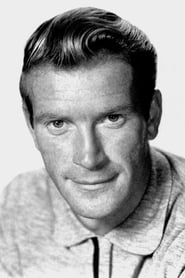
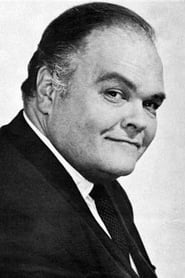
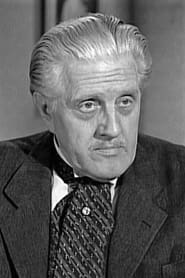
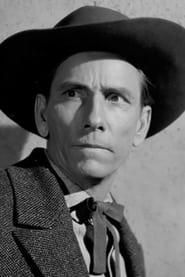
Cast & crew
More films like this
More Horror films
View all →

More about this film
About the production
Release dateJune 1959
Budget$70,000
Box officeUnknown (limited release)
ProductionAmerican International Pictures, Gene Corman Productions
Filmed inLos Angeles, California, Malibu Creek State Park, California
Filmed in just seven days on an extremely tight budget, the underwater sequences were shot in a special tank at the Fox studio lot. The giant leech costumes were created by makeup artist Paul Blaisdell and were so cumbersome that actors could only wear them for short periods. The film was originally titled 'The Giant Leeches' before AIP changed it to 'Attack of the Giant Leeches' for marketing purposes.
Themes
Nature's revengeDistrust of authorityHuman vulnerabilityScientific hubrisIsolation and paranoia
Themes & topics
giant leechesswampmonsterhorrorscience fictioncreature featuredisappearancesunderwaterFlorida Evergladesgame wardenpoliceinvestigationB-movie
Historical background
Attack of the Giant Leeches (1959) was shot back-to-back with Corman's swamp cycle for drive-in double bills.
Why this film matters
Camp reputation grew through television syndication and MST3K-style mockery of low-budget monsters.
Making of
The production faced numerous challenges due to its minimal budget and tight schedule. The underwater sequences proved particularly difficult, as the production had to rent time at the Fox studio's water tank between other productions. The giant leech costumes, while impressive for the budget, were extremely uncomfortable for the performers, who could barely see or breathe while wearing them. Director Kowalski had to be creative with his camera work to hide the limitations of the monster suits, often using murky water and quick cuts to suggest movement. The film was shot in just seven days, with the cast and crew working long hours to complete production on time. Many of the swamp scenes were actually filmed at Malibu Creek State Park, which doubled for the Florida Everglades. The film's success led to director Kowalski being given larger projects, including the cult classic 'Night of the Blood Beast' the following year.
What critics said
Reviews were dismissive; cult viewers enjoy its brisk poverty-row charm.
Did you know?
- The giant leech costumes were so heavy that the actors playing them could barely move and had to be helped in and out of the water.
- Director Bernard L. Kowalski was only 25 years old when he directed the production, making it one of his earliest directorial efforts.
- The film was shot in Cinemascope, which was unusual for such a low-budget production.
- Yvette Vickers, who plays Liz Walker, was also a Playboy model and was featured as Playmate of the Month in July 1959, the same month the film was released.
- The underwater cave scenes were filmed using a combination of studio tanks and carefully selected natural locations.
- The film was part of a double bill with 'A Bucket of Blood' for its theatrical release.
- Producer Gene Corman, brother of more famous producer Roger Corman, specialized in low-budget horror and science fiction films.
- The film's original script was written by Leo Gordon, who also acted in many B-movies of the era.
- The leech sound effects were created by manipulating recordings of suction cups and wet cloth.
- Despite the film's title, the creatures are technically not leeches but more accurately described as giant aquatic parasites.
Visual style
The cinematography, handled by Floyd Crosby, made effective use of the limited resources available. Crosby, an Academy Award-winning cinematographer, brought a level of professionalism to the production that elevated it above typical B-movie fare. The film made clever use of shadows and murky underwater photography to hide the limitations of the monster costumes. The swamp settings were photographed to create an atmosphere of isolation and dread, with Crosby using natural lighting to enhance the sense of realism in the outdoor scenes. The underwater sequences, while technically challenging for the time, were shot with a sense of movement and menace that helped sell the creature threat. The film's use of Cinemascope, unusual for such a low-budget production, allowed for wider shots that emphasized the vastness of the swamp and the isolation of the characters.
Innovations
For its extremely low budget, the film achieved several notable technical accomplishments. The underwater filming techniques, while primitive by modern standards, were innovative for a B-movie production of the era. The creature effects, created by Paul Blaisdell, represented an impressive attempt at creating convincing monsters with minimal resources. The film's use of Cinemascope on such a tight budget was unusual and demonstrated the producers' commitment to giving the film a more professional look. The production team developed creative solutions for filming in water, including specialized camera housings and lighting techniques that allowed for underwater photography. The editing, particularly in the attack sequences, used quick cuts and camera movement to create the illusion of faster monster movement than was actually possible with the cumbersome costumes.
Music
The musical score was composed by Alexander Laszlo, who created a suitably ominous and atmospheric soundtrack that enhanced the film's tension despite the limited budget. Laszlo's music featured low, rumbling brass sections and discordant strings to create a sense of menace during the monster sequences. The score also included more traditional romantic themes for the film's human drama elements. The sound effects were particularly important in creating the illusion of the giant leeches, with suction sounds and underwater gurgles adding to the creature's menace. The film's audio mix made effective use of stereo separation to create a sense of movement in the underwater sequences. While not released as a standalone album, the score has been appreciated by fans of 1950s horror film music for its effective use of limited orchestral resources.
Famous quotes
There's something in that swamp that's bigger than alligators and a lot meaner.
I'm telling you, sheriff, there are things in this swamp that don't belong in any book of natural history.
You can't fight what you can't see, and you can't see what's under the water.
Nature has a way of protecting itself, and sometimes it uses things we don't understand.
When you're dealing with something that shouldn't exist, you can't use the rules that apply to everything else.
Memorable scenes
- The opening sequence where the first victim is dragged underwater by an unseen creature
- The discovery of the underwater cave filled with the leeches' victims
- The scene where Liz Walker witnesses a leech attack but is dismissed by authorities
- The final confrontation with the giant leeches in their underwater lair
- The dramatic rescue attempt in the flooding cave system
What audiences thought
Initial audience reception was modest, with the film performing adequately as part of AIP's double-bill programming strategy. Teenage audiences of the era, the primary target demographic for such films, generally found it entertaining despite its obvious flaws. Over the decades, the film has developed a cult following among horror fans and B-movie enthusiasts who appreciate its earnest attempt to create scares with minimal resources. The film's public domain status has contributed to its enduring popularity, making it widely available on various home video formats and streaming platforms. Modern audiences often watch the film for its camp value and as a representative example of 1950s monster cinema. The film has developed a reputation as a fun, if silly, monster movie that delivers exactly what its title promises.
Film connections
Influenced by
- Creature from the Black Lagoon (1954)
- The Blob (1958)
- The Fly (1958)
- Them! (1954)
- It Came from Beneath the Sea (1955)
This film influenced
- The Giant Leeches (2007 remake)
- Numerous SyFy channel original movies
- The Bay (2012)
- Leeches! (2003)
Film restoration
The film has fallen into the public domain, which has ironically contributed to its preservation through numerous home video releases and digital distribution. While the original film elements have not undergone a formal restoration by a major studio, various public domain distributors have created their own transfers of varying quality. The film's survival is largely due to its public domain status, which has allowed it to be continuously available since the home video era began. No known film archives have undertaken a formal preservation project, but multiple copies exist in various formats, ensuring the film's survival for future generations.
Where to watch
- YouTube (multiple public domain uploads)
- Amazon Prime Video (various public domain versions)
- Tubi (free streaming)
- Pluto TV (occasional programming)
- DVD and Blu-ray from various public domain distributors
- Internet Archive
- Retrovision
- Classic Horror Movie Channel