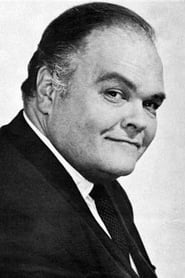
Bruno VeSota
Actor
Born: July 10, 1922 in Detroit, Michigan, USA Died: April 24, 1979 Active: 1954-1959
Films
3 films
About Bruno VeSota
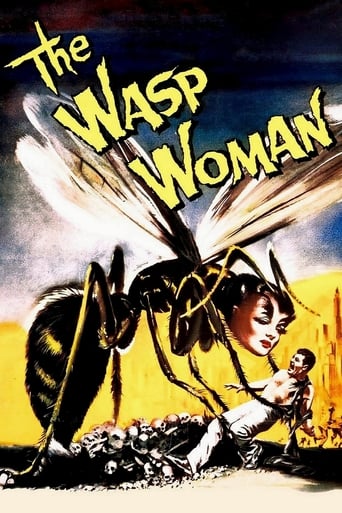
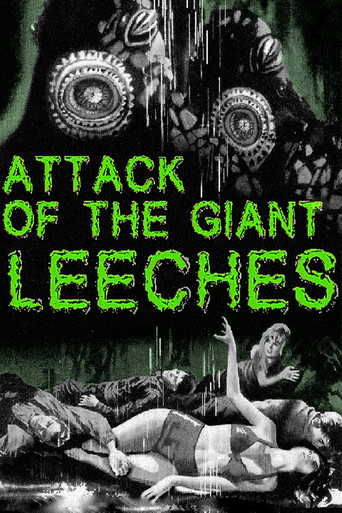
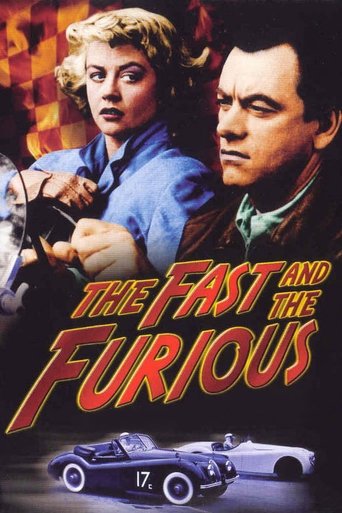
American character actor, producer, and occasional writer-director: career became closely associated with the low-budget independent and exploitation cinema of the 1950s. Born in Detroit, Michigan, he worked steadily in Hollywood during the decade, often playing blunt, imposing, or slightly sinister supporting roles that made him memorable even in very small parts. He is best remembered today for appearances in cult titles such as The Fast and the Furious, The Wasp Woman, and Attack of the Giant Leeches, films that have enjoyed long afterlives through television, revival screenings, and late-night horror fandom. VeSota also worked behind the scenes, particularly with producer-director Roger Corman and the Allied Artists/low-budget film world, where versatility and speed were prized. His screen persona fit the needs of the era’s independent programmers: practical, rough-edged, and instantly recognizable. Although he was never a major star, he became a familiar face to fans of classic B-movies and remains a notable figure in the history of postwar American genre cinema.
The Craft
On Screen
VeSota’s acting style was direct, unembellished, and highly functional, suited to the fast-paced production methods of low-budget filmmaking. He typically projected a rugged, working-class physicality and an air of authority or menace, which made him effective as a thug, guard, boss, or shady supporting figure. Rather than broad showiness, he relied on presence, facial expression, and a grounded delivery that could quickly establish character in a short amount of screen time. This made him particularly valuable in exploitation and genre pictures, where a memorable type could do more work than lengthy dialogue. His performances often played well in ensemble casts because he could be instantly understood by audiences as an approachable but potentially dangerous adult figure.
Milestones
- Appeared in a string of memorable 1950s cult films, including The Fast and the Furious, The Wasp Woman, and Attack of the Giant Leeches
- Worked within the Roger Corman low-budget film orbit, becoming part of the core stock-company atmosphere of 1950s exploitation cinema
- Established a durable screen identity as a tough, heavy-set supporting player in crime, horror, and science-fiction programmers
- Contributed not only as an actor but also as a producer and occasional filmmaker in the independent movie world
- Achieved lasting recognition among cult-film historians and horror/science-fiction fans despite a relatively brief on-screen career
- Helped define the look and feel of mid-century drive-in and late-night television fare through his appearances in economical genre productions
Best Known For
Iconic Roles
Must-See Films
Working Relationships
Worked Often With
Studios
Why They Matter
Impact on Culture
Bruno VeSota’s cultural impact lies less in celebrity than in his contribution to the iconography of 1950s genre cinema. He was part of the broad supporting infrastructure that made American B-movies memorable: the stock types, rough-hewn personalities, and instantly legible faces that anchored drive-in features and television programming. His performances helped give small-budget films a sense of lived-in reality, which is one reason these movies continue to attract devotees. In horror and science-fiction fandom, such players became essential to the texture of the era, and VeSota’s name remains familiar to collectors, historians, and viewers who value cult cinema. His work is a reminder that classic film history is not only made by stars but also by durable character actors whose presence shapes a film’s tone and audience memory.
Lasting Legacy
VeSota’s legacy endures through the continuing popularity of 1950s cult cinema and the scholarly reevaluation of low-budget filmmaking. For fans of horror, science fiction, and crime melodrama, he represents the dependable supporting actor who could help sell the mood of a picture even when resources were minimal. His filmography also illustrates the collaborative ecosystem around Roger Corman and similar producers, where speed, efficiency, and personality mattered enormously. Though his career was not long, the titles he appeared in have become staple viewing for genre enthusiasts, giving him a lasting place in the history of American cult film. In the broader history of Hollywood, he stands as a notable example of the working actor whose contribution is measured in atmosphere, credibility, and repeatable screen presence.
Who They Inspired
VeSota influenced later generations indirectly by exemplifying the kind of reliable character work that independent filmmakers continue to need. His screen persona helped establish the template for the tough, slightly menacing supporting player common in drive-in movies, regional productions, and later homage films. Modern cult and retro-horror productions frequently echo the kind of ensemble casting and economical characterization in which VeSota specialized. Within genre fandom, his performances remain part of the reference vocabulary for appreciating mid-century exploitation cinema. His career also shows how supporting actors can become enduring touchstones for film historians even without headline stardom.
Off Screen
Publicly available information about Bruno VeSota’s private life is limited compared with his screen work, which is common for supporting players of the studio-independent era. He appears to have maintained a lower profile outside the industry and is remembered primarily through his work in film rather than through publicity surrounding celebrity or personal scandal. Biographical sources identify him as born in Detroit and active in the Los Angeles film world during the 1950s, but detailed accounts of his family life are scarce. Because he worked in a domain where many participants were semi-anonymous craftsmen, surviving records tend to emphasize his screen credits rather than personal relationships. No widely documented public controversies are associated with him.
Education
No widely verified educational background is commonly cited in standard film-reference sources; his early training and pathway into film are not well documented.
Did You Know?
- He is especially associated with the 1950s American drive-in and late-night television film boom.
- VeSota worked in both front-of-camera and behind-the-camera capacities in the low-budget film world.
- His best-known films have become cult favorites far more famous now than they were at initial release.
- He was part of the same general independent film ecosystem that launched many Roger Corman genre productions.
- Despite a brief active period, he left a distinct impression because of his unmistakable physical presence.
- His name appears frequently in discussions of classic B-movie character actors.
- He is remembered by cult-film fans as one of the durable faces of 1950s science-fiction and horror support casting.
- Biographical detail beyond his film work is comparatively scarce, which has added to his semi-mythic status among genre buffs.
Frequently Asked Questions
Who was Bruno VeSota?
American character with credits in this catalog. He is best remembered as a sturdy supporting presence in cult classics rather than as a leading man.
What films is Bruno VeSota best known for?
Titles linked here include The Fast and the Furious (1954), The Wasp Woman (1959).
When was Bruno VeSota born and when did he die?
Born July 10, 1922; died April 24, 1979.
What awards did Bruno VeSota win?
No major mainstream awards or widely documented nominations are known for Bruno VeSota. His reputation rests on his body of work in cult and independent cinema rather than on formal award recognition.
What was Bruno VeSota's acting style?
VeSota’s acting style was direct, sturdy, and practical, with a strong physical presence that made him effective in supporting roles. He often played hard-edged or authoritative types and relied on understatement and screen presence rather than theatrical flourish.
What is Bruno VeSota's legacy in film history?
His legacy lies in the enduring appeal of 1950s B-movies and the character actors who gave them texture and credibility. Film fans and historians remember him as part of the essential supporting cast that helped define the look and feel of classic American cult cinema.