
The Wasp Woman
"Youth serum, wasp fury"
Keys: Space play/pause · ←/→ 10s · F fullscreen · M mute · </> speed
About this film
Cosmetics executive Janice Starlin tests a youth serum made from royal jelly and transforms into a deadly wasp creature.
Cast & crew
More films like this

More Science Fiction films
View all →

More from Roger Corman
View all →
More about this film
About the production
Release dateDecember 1959
Budget$50,000
Box officeUnknown (typical for Corman productions of this era)
ProductionFilmgroup Inc., Roger Corman Productions
Filmed inLos Angeles, California, Hollywood Studios
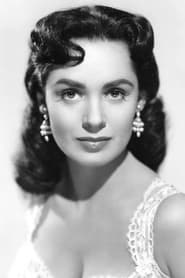
The film was shot in just 7 days on a minimal budget, typical of Corman's efficient production methods. The wasp woman makeup and transformation effects were created using limited resources, with Susan Cabot spending hours in makeup chair for the creature scenes. The wasp footage was primarily stock footage intercut with the main action to save costs.
Themes
Female aging and vanityScientific hubrisTransformation and identityThe dangers of unchecked ambitionSocietal pressure on women's appearance
Themes & topics
transformationcosmeticswaspmad scientistagingbeautyhorrorscience fictioncreature featureblack and whitedrive-in cinemaB-movie
Historical background
Roger Corman produced this 1959 B-movie during the drive-in era's appetite for science-fiction horror on tight budgets.
Why this film matters
A cult favorite of creature-feature programmers, it typifies Corman's ability to turn pulp concepts into profitable quickies.
Making of
The production faced significant challenges due to its extremely limited budget and tight shooting schedule. Roger Corman, known for his efficiency, managed to complete the entire film in just one week of principal photography. Susan Cabot underwent extensive makeup sessions for the transformation scenes, which could take up to four hours to apply. The wasp attack sequences were created using a combination of stock footage, miniature work, and creative camera angles to maximize impact while minimizing costs. The film's laboratory scenes were shot on existing sets from other productions, a common Corman cost-saving technique. Despite the constraints, the cast and crew maintained high spirits, with Cabot particularly praised for her commitment to the physically demanding role.
What critics said
Critics dismissed it on release; later cult audiences celebrate its camp energy and Susan Cabot's performance.
Did you know?
- Susan Cabot's tragic real-life story added a dark footnote to the film's legacy - she was murdered by her son in 1986.
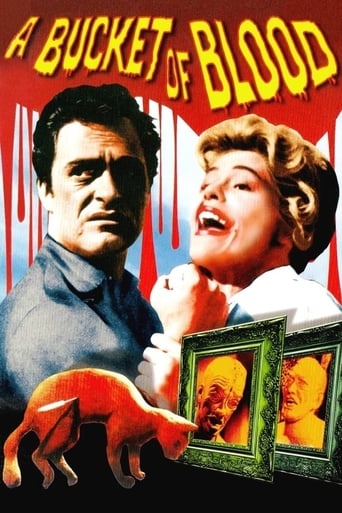
- The film was originally intended to be a double feature with 'A Bucket of Blood' (1959), another Corman production.
- The wasp transformation scenes were so frightening that some theaters reportedly had patrons faint during screenings.
- Roger Corman considered one of his more successful low-budget productions due to its strong performance at drive-in theaters.
- The royal jelly concept was inspired by real scientific interest in bee products for cosmetic and medicinal purposes in the 1950s.
- The film's success led to a 1995 remake directed by Jim Wynorski, though the original remains a cult classic.
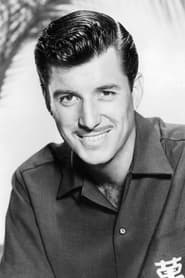
- Anthony Eisley was cast primarily for his television fame from 'Hawaiian Eye' to help attract audiences.
- The film's minimal runtime was designed to fit perfectly into drive-in theater double-feature programming.
- The wasp creature design was created by makeup artist Paul Blaisdell, who worked on numerous Corman productions.
- The film's poster art became iconic and is still reproduced on merchandise and in horror art collections today.
Visual style
The film's cinematography, handled by Floyd Crosby (who won an Academy Award for 'Tabu'), employs dramatic lighting and shadow play to maximize suspense despite budget constraints. The camera work utilizes tight close-ups during transformation scenes to create claustrophobic tension. Crosby's experience with low-budget productions allowed him to create effective visuals through creative framing and lighting techniques. The film makes excellent use of high-contrast black and white photography to enhance the horror atmosphere, particularly in the laboratory and nighttime sequences.
Innovations
For its minimal budget, The Wasp Woman achieved impressive practical effects, particularly in the makeup and creature design. The gradual transformation makeup, created by Paul Blaisdell, used layered appliances and creative makeup techniques to show the progression from human to wasp creature. The film's sound design effectively created the illusion of swarming wasps using limited audio resources. The production team demonstrated considerable ingenuity in creating convincing laboratory sets and equipment using repurposed props and existing studio resources.
Music
The musical score was composed by Fred Katz, a jazz cellist and composer who brought an unconventional approach to horror film scoring. Katz incorporated dissonant string arrangements and unusual percussion elements to create an unsettling atmosphere that complemented the film's themes of transformation and horror. The soundtrack features prominent use of theremin-like sounds and jarring musical stingers during attack sequences. While the score was limited by the film's budget, Katz's innovative approach helped elevate the tension and has since been praised by soundtrack enthusiasts for its distinctive character.
Famous quotes
I've given you youth! I've given you beauty! What more could you want?
Nature has its own way of taking revenge when we try to cheat it.
The formula is unstable! You're playing with forces you don't understand!
Beauty is a terrible power when it turns against you.
I'm not getting older, I'm getting better... and hungrier.
Memorable scenes
- The first transformation scene where Janice applies the royal jelly cream and begins to feel its effects, marked by subtle changes in her behavior and appearance.
- The shocking reveal of Janice's partial wasp transformation in the mirror, combining horror with the tragedy of her lost humanity.
- The laboratory attack sequence where the fully transformed Janice stalks her victims with wasp-like aggression.
- The final confrontation where Janice, caught between human and wasp form, faces the consequences of her vanity.
- The opening boardroom scene establishing Janice's desperation and the pressure she faces as an aging woman in the beauty industry.
What audiences thought
The Wasp Woman performed well at drive-in theaters and midnight screenings, becoming a modest box office success for its budget level. Audiences of the era responded positively to its shocking transformation sequences and suspenseful pacing. Over the decades, the film has developed a strong cult following among horror fans and B-movie enthusiasts. It remains a popular title at revival screenings and horror film festivals, where audiences appreciate its camp appeal and genuine scares. The film's reputation has grown through home video releases and television broadcasts, introducing new generations to its unique blend of science fiction and horror.
Film connections
Influenced by
- The Fly (1958)
- Psycho (1960)
- The Blob (1958)
- Invasion of the Body Snatchers (1956)
This film influenced
- The Fly (1986)
- Species (1995)
- The Wasp Woman (1995 remake)
- Slither (2006)
- Teeth (2007)
Film restoration
The film has been preserved and is available in the public domain. Multiple restored versions exist, including those released by specialty labels like The Film Detective and Shout! Factory. The original negatives have survived, allowing for high-quality transfers to digital formats. The film's public domain status has led to numerous budget releases of varying quality.
Where to watch
- Amazon Prime Video
- YouTube (public domain uploads)
- Tubi
- Pluto TV
- The Film Detective streaming service
- DVD/Blu-ray from various specialty distributors
- Internet Archive