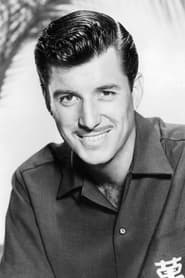
Anthony Eisley
Actor
Born: February 19, 1925 in Philadelphia, Pennsylvania, USA Died: July 21, 2018 Active: 1958-1985 Birth Name: Frederick Glenn Eisley
Films
1 film
About Anthony Eisley
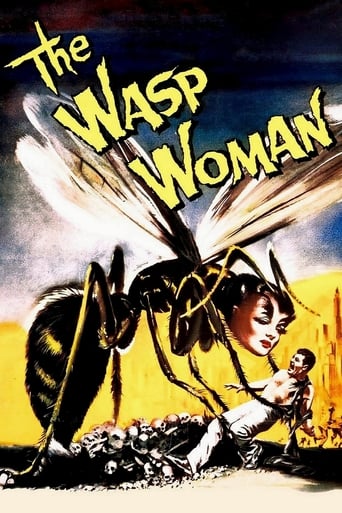
Anthony Eisley is credited on a single production — The Wasp Woman (1959). His breakthrough came with 'The Wasp Woman' (1959), a cult classic horror film produced by Roger Corman, which showcased his leading man capabilities. Eisley's three decades, during which he appeared in numerous television shows and films, often playing authoritative or romantic leads. He continued working steadily through the 1960s and 1970s, appearing in popular series like 'Perry Mason,' 'Bonanza,' and 'The F.B.I.' Despite never achieving A-list stardom, Eisley maintained a respectable career as a reliable character actor and television presence. His later years saw fewer roles but he remained a recognizable face from the golden age of television.
The Craft
On Screen
Eisley was known for his commanding presence and deep, resonant voice, often portraying authoritative figures, detectives, and romantic leads. His acting style was straightforward and professional, with a classic Hollywood leading man approach that emphasized reliability and gravitas. He brought a sense of integrity and seriousness to his roles, whether playing law enforcement officers or romantic interests. His performances were marked by a steady, understated delivery that fit well within the television drama format of his era.
Milestones
- Starred in 'Hawaiian Eye' TV series (1959-1960)
- Lead role in 'The Wasp Woman' (1959)
- Regular appearances on 'Perry Mason' and 'Bonanza'
- Supporting role in 'The Navy vs. The Night Monsters' (1966)
- Character roles in 'The F.B.I.' and 'Ironside' series
Best Known For
Iconic Roles
Must-See Films
Accolades
Special Recognition
- Hollywood Walk of Fame star for Television (located at 6363 Hollywood Blvd)
Working Relationships
Worked Often With
Studios
Why They Matter
Impact on Culture
Anthony Eisley contributed to the golden age of television through his starring role in 'Hawaiian Eye,' which was part of Warner Bros.' successful 'detective trilogy' of shows that included '77 Sunset Strip' and 'Surfside 6.' His work in 'The Wasp Woman' made him a cult figure among horror film enthusiasts, particularly fans of Roger Corman's productions. Eisley represented the archetypal television leading man of the late 1950s and early 1960s, embodying the clean-cut, authoritative image that was popular during that era. His numerous guest appearances across television Westerns and dramas made him a familiar face to American households during television's first golden age.
Lasting Legacy
Anthony Eisley's legacy lies primarily in his contribution to early television programming and his status as a cult horror film actor. 'Hawaiian Eye' remains a significant example of late 1950s television detective shows, and Eisley's performance as Tracy Steele helped establish the template for television private investigators. His role in 'The Wasp Woman' has ensured his continued recognition among horror and science fiction film enthusiasts. While not a major star, Eisley's consistent work across three decades of television and film exemplifies the journeyman actor who was essential to Hollywood's production system during the studio era's transition to television dominance.
Who They Inspired
Eisley influenced television acting through his professional approach and consistent performances in the detective genre. His work helped establish conventions for television private investigator characters that would be followed by actors in subsequent decades. In the horror genre, his performance in 'The Wasp Woman' contributed to the template for male leads in Roger Corman productions, balancing skepticism with eventual acceptance of supernatural elements. His career demonstrated the viability of television as a primary medium for actors during the transition from film to television dominance in Hollywood.
Off Screen
Anthony Eisley was married three times throughout his life. His first marriage was to Judith Tolman, followed by a marriage to actress Myrna Fahey from 1966 to 1972. His final marriage was to Freda M. Eisley, who survived him. He had two children, including son Jonathan Eisley who also pursued acting. Eisley was known as a private person who maintained a low public profile outside of his acting work.
Education
University of Miami (studied drama after Navy service)
Family
- Judith Tolman (1950s-1960s)
- Myrna Fahey (1966-1972)
- Freda M. Eisley (1972-2018)
Did You Know?
- Served in the United States Navy during World War II before pursuing acting
- His birth name was Frederick Glenn Eisley, but he used Anthony professionally
- The Wasp Woman was produced by legendary B-movie producer Roger Corman
- Hawaiian Eye was filmed partially on location in Hawaii, unusual for television shows of its era
- He appeared in over 100 television episodes across various series throughout his career
- His co-star on 'Hawaiian Eye,' Robert Conrad, became one of his closest friends
- He received a star on the Hollywood Walk of Fame for his television contributions
- The Wasp Woman has become a cult classic and is frequently shown at horror film festivals
- He often played characters in law enforcement or military roles due to his authoritative presence
- His final acting role was in the 1985 film 'Commando Squad'
In Their Own Words
On his 'Hawaiian Eye' experience: 'It was a wonderful time to be in television. We were pioneers in a way, creating the template for detective shows that would follow for decades.'
On working with Roger Corman: 'Roger knew exactly what he wanted and how to get it on budget. Working on 'The Wasp Woman' taught me efficiency in filmmaking.'
Frequently Asked Questions
Who was Anthony Eisley?
American with credits in this catalog. He had a prolific career spanning three decades, appearing in numerous television shows and films, often playing authoritative figures and romantic leads.
What films is Anthony Eisley best known for?
Titles linked here include The Wasp Woman (1959), The Navy vs. The Night Monsters (1966).
When was Anthony Eisley born and when did he die?
Born February 19, 1925; died July 21, 2018.
What awards did Anthony Eisley win?
While Anthony Eisley did not receive major acting awards or nominations, he was honored with a star on the Hollywood Walk of Fame for his contributions to television. His recognition came more from his consistent work and the popularity of his television series rather than formal awards.
What was Anthony Eisley's acting style?
Eisley's acting style was characterized by his commanding presence, deep voice, and professional demeanor. He typically portrayed authoritative figures with a straightforward, serious approach that fit well within the television drama format of his era, bringing gravitas and reliability to his roles.