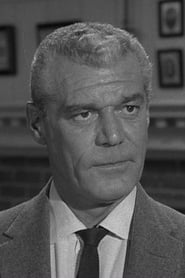
Frank Gerstle
Actor
Born: September 27, 1915 in New York City, New York, USA Died: February 23, 1970 Active: 1949-1969 Birth Name: Frank Michael Gerstle
Films
2 films

About Frank Gerstle
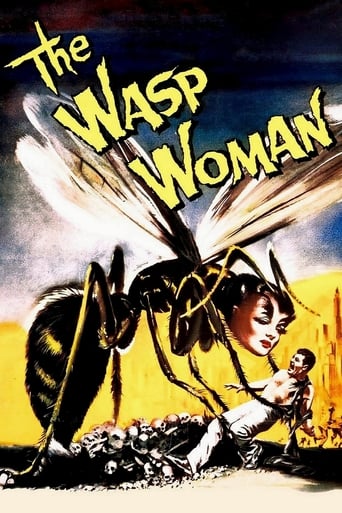
Frank Michael Gerstle — American character actor who worked prolifically during the 1950s and early 1960s, appearing in over 100 films and television productions. Born in New York City in 1915, he served in World War II before pursuing an acting career in Hollywood, where he quickly established himself as a reliable supporting actor in B-movies and television series. Gerstle specialized in portraying authority figures such as doctors, military officers, scientists, and lawmen, bringing a gravitas and credibility to even the most fantastical genre productions. His most memorable roles came in science fiction films like 'Killers from Space' (1954) where he played Dr. Curt Steiger, and 'The Wasp Woman' (1959) where he portrayed Arthur Cooper. Beyond these cult classics, Gerstle appeared in numerous westerns, crime dramas, and early television shows, becoming a familiar face to audiences of the era. He worked steadily through the 1950s and into the 1960s, appearing in everything from major studio productions to low-budget exploitation films. Though never achieving star status, Gerstle's professionalism and consistent performances made him a valuable character actor in Hollywood's studio system and the emerging television industry until his death in 1970 at age 54.
The Craft
On Screen
Gerstle was known for his straightforward, no-nonsense acting style that brought authenticity and credibility to his roles. He had a commanding presence and serious demeanor that made him particularly effective as authority figures. His delivery was clear and deliberate, with a naturalistic approach that grounded even the most fantastical scenarios in reality. Gerstle rarely overacted, preferring a subtle, understated performance that lent weight to his characters. He had a distinctive voice and authoritative bearing that made him believable as doctors, military officers, and scientists in genre films.
Milestones
- Film debut in 'The Red Pony' (1949)
- Breakthrough role in 'Killers from Space' (1954)
- Memorable performance in 'The Beast from 20,000 Fathoms' (1953)
- Key role in 'Earth vs. The Flying Saucers' (1956)
- Prolific television work throughout the 1950s and 1960s
- Final film appearance in 'The Big Cube' (1969)
Best Known For
Iconic Roles
Must-See Films
Working Relationships
Worked Often With
Studios
Why They Matter
Impact on Culture
Frank Gerstle contributed significantly to the golden age of American science fiction cinema, helping to establish the visual language and character archetypes that would define the genre. His performances in 1950s monster movies and alien invasion films helped legitimize these B-movie productions, bringing a level of credibility that made the fantastical elements more believable to audiences. As a recurring face in genre cinema, Gerstle became part of the cultural fabric of Cold War-era science fiction, embodying the rational, scientific authority figures that audiences trusted in an age of atomic anxiety. His work in early television also helped transition Hollywood talent to the small screen, contributing to the development of episodic television drama.
Lasting Legacy
Frank Gerstle's legacy lies in his contributions to mid-century American genre cinema and television. While never a household name, he appeared in numerous films that have become cult classics, particularly in the science fiction and horror genres. His performances in films like 'Killers from Space' and 'The Wasp Woman' continue to be appreciated by fans of 1950s cinema. Gerstle represents the working character actor who formed the backbone of Hollywood's studio system, bringing professionalism and reliability to countless productions. His extensive filmography serves as a valuable record of American popular culture during the Cold War era, reflecting the anxieties and fascinations of the time.
Who They Inspired
Gerstle influenced subsequent generations of character actors through his demonstrated ability to bring credibility to genre material. His straightforward approach to playing authority figures in science fiction and horror films helped establish a template that many actors would follow. While he didn't directly mentor famous actors, his consistent work ethic and professional approach served as an example for newcomers to the industry. His performances in cult classics continue to be studied by film scholars and appreciated by fans of classic science fiction cinema.
Off Screen
Frank Gerstle married actress Jean Willes in 1950, and they had two children together before divorcing in 1956. He later married Barbara Mason in 1963 and remained married to her until his death. Gerstle was known as a reliable professional on set, respected by his colleagues for his work ethic and consistency. He served in the United States Army during World War II before pursuing his acting career. Outside of acting, Gerstle was relatively private and maintained a low public profile throughout his career.
Education
Limited information available about his formal education
Family
- Jean Willes (1950-1956)
- Barbara Mason (1963-1970)
Did You Know?
- Served in the United States Army during World War II before pursuing acting
- Appeared in over 100 film and television productions throughout his career
- Often played characters with scientific or military backgrounds
- Worked frequently with legendary B-movie producer Roger Corman
- His first wife, Jean Willes, was also a prolific character actress
- Appeared in three films with 'Beast' in the title: 'The Beast from 20,000 Fathoms', 'The Beast of Hollow Mountain', and 'The Giant Claw'
- Had a recurring role as Dr. Henderson on the TV series 'The Adventures of Superman'
- Was typecast as an authority figure due to his commanding presence and serious demeanor
- Died relatively young at age 54 from undisclosed causes
- His final film appearance was in the psychological thriller 'The Big Cube' (1969)
In Their Own Words
As Dr. Curt Steiger in 'Killers from Space': 'The radiation readings are off the chart! Something came through that nuclear explosion.'
As Arthur Cooper in 'The Wasp Woman': 'I'm telling you, Janice, this experiment is too dangerous. We don't know what the long-term effects will be.'
General acting philosophy (as reported in interviews): 'Every role, no matter how small, deserves the same level of professionalism and commitment.'
Frequently Asked Questions
Who was Frank Gerstle?
American character with credits in this catalog.
What films is Frank Gerstle best known for?
Titles linked here include Killers from Space (1954), The Wasp Woman (1959).
When was Frank Gerstle born and when did he die?
Born September 27, 1915; died February 23, 1970.
What awards did Frank Gerstle win?
Frank Gerstle did not receive major formal awards or nominations during his career, though he was recognized for his consistent work as a reliable character actor.
What was Frank Gerstle's acting style?
Gerstle was known for his straightforward, authoritative acting style with a serious demeanor that made him believable as doctors, military officers, and scientists, particularly in genre films.