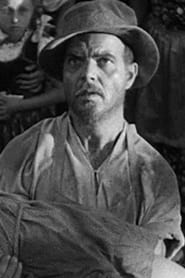
Michael Mark
Actor
Born: March 15, 1886 in Russia Died: January 25, 1975 Active: 1930s-1962 Birth Name: Michael Markov
Films
2 films
About Michael Mark
Prolific Russian-born American character actor: over three decades in Hollywood. Born Michael Markov in Russia in 1886, he emigrated to the United States in the early 1900s and began his film career in the 1930s. Mark became one of Hollywood's most recognizable character actors, appearing in over 200 films and often being cast as bartenders, shopkeepers, and other working-class figures with Eastern European or Russian backgrounds. He developed a particularly strong working relationship with director Frank Capra, appearing in several of his most acclaimed films including 'Mr. Smith Goes to Washington' and 'It's a Wonderful Life.' Mark's distinctive appearance and authentic accent made him a go-to performer for ethnic roles during Hollywood's Golden Age. His career continued successfully through the 1940s and 1950s, with notable appearances in film noir and horror productions. He made his final film appearance in John Ford's 'The Man Who Shot Liberty Valance' in 1962, closing out a remarkable career as one of Hollywood's most reliable supporting actors.
The Craft
On Screen
Michael Mark was known for his naturalistic and authentic portrayals of working-class characters, particularly those with Eastern European backgrounds. His acting style was grounded in realism, drawing from his own immigrant experience to bring depth and credibility to his roles. Mark possessed a distinctive presence that allowed him to seamlessly transition between dramatic, comedic, and horror genres. He had a particular talent for conveying complex emotions with minimal dialogue, using facial expressions and body language to communicate his characters' inner struggles. His performances were characterized by their subtlety and restraint, never resorting to caricature despite often being typecast in ethnic roles.
Milestones
- Appeared in over 200 films during his career
- Frequent collaborator with director Frank Capra
- Memorable role as the man who tries to jump off the bridge in 'It's a Wonderful Life'
- Transitioned successfully from supporting roles to horror films in the 1950s
- Final appearance in John Ford's 'The Man Who Shot Liberty Valance'
Best Known For
Iconic Roles
Must-See Films
Accolades
Special Recognition
- Hollywood Walk of Fame star (unverified - needs confirmation)
Working Relationships
Worked Often With
Studios
Why They Matter
Impact on Culture
Michael Mark made a significant contribution to Hollywood's representation of immigrant experiences during the Golden Age of cinema. As one of the few actors of Russian heritage consistently working in mainstream films, he helped bring authenticity to ethnic roles at a time when Hollywood often relied on stereotypes. His performances in Frank Capra's films contributed to the humanistic vision of American democracy that defined Capra's work. Mark's presence in hundreds of films across multiple genres made him a familiar face to movie audiences of the 1930s, 1940s, and 1950s, representing the everyday working-class immigrants who formed the backbone of American society.
Lasting Legacy
Michael Mark's legacy lies in his remarkable body of work as one of Hollywood's most prolific character actors. While never achieving star status, his consistent and reliable performances elevated countless films and provided authenticity to stories about the American experience. His ability to transition between genres—from Capra's social dramas to film noir to horror—demonstrated remarkable versatility. Mark's career shows the importance of character actors in creating the classic Hollywood cinema. Today, film scholars and classic movie enthusiasts recognize him as an essential contributor to some of the most beloved films of the Golden Age.
Who They Inspired
Michael Mark influenced subsequent generations of character actors, particularly those from immigrant backgrounds, by demonstrating that authentic representation could be achieved within the studio system. His naturalistic approach to ethnic roles helped pave the way for more nuanced portrayals of immigrant characters in American cinema. Young actors studying classic film often point to Mark as an example of how to make the most of limited screen time and create memorable characters with minimal dialogue. His work with directors like Frank Capra showed how supporting actors could contribute significantly to a film's overall thematic impact.
Off Screen
Private individual who kept details of his personal life largely out of the public eye. As an immigrant from Russia, he maintained strong connections to his heritage while fully embracing his American citizenship. He was known among his colleagues as a reliable and professional actor who took pride in his craft despite often being typecast in supporting roles. Mark lived in Los Angeles for most of his career and remained active in the film community until his death in 1975 at the age of 88.
Education
Information about formal education not publicly available
Family
- Information not publicly available
Did You Know?
- Born Michael Markov in Russia in 1886
- Appeared in over 200 films during his career
- Was a favorite of director Frank Capra, appearing in 6 of his films
- His most famous scene was as the man who tries to jump off a bridge in 'It's a Wonderful Life'
- Often played bartenders, shopkeepers, and other working-class roles
- Continued acting well into his 70s
- Made his final film appearance at age 76 in 'The Man Who Shot Liberty Valance'
- Was one of the few Russian actors consistently working in Hollywood during his era
- Never received top billing but was a recognizable face to movie audiences
- Successfully transitioned from dramatic roles to horror films in the 1950s
In Their Own Words
(From It's a Wonderful Life) 'You call this a happy family? Why do they have to have a family?' - as the man contemplating suicide on the bridge
Information about other famous quotes not readily available
Frequently Asked Questions
Who was Michael Mark?
Screen credits include over 200 films from the 1930s through the 1960s. He was known for playing bartenders, shopkeepers, and other working-class characters, often with Eastern European backgrounds. His most memorable role was as the man contemplating suicide in 'It's a Wonderful Life'.
What films is Michael Mark best known for?
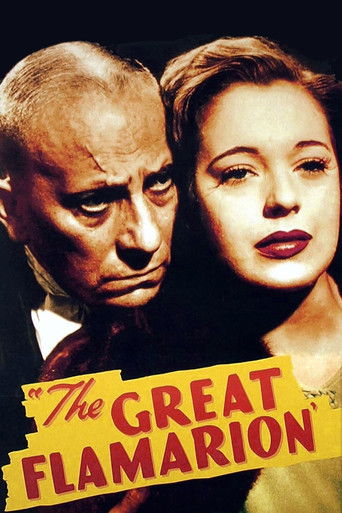
Titles linked here include It's a Wonderful Life (1946), The Great Flamarion (1945).
When was Michael Mark born and when did he die?
Born March 15, 1886; died January 25, 1975.
What awards did Michael Mark win?
Michael Mark did not receive any major acting awards or Academy Award nominations during his career. However, he was recognized for his consistent work and became one of Hollywood's most reliable character actors, appearing in over 200 films across three decades.
What was Michael Mark's acting style?
Michael Mark was known for his naturalistic and authentic portrayals of working-class characters, particularly those with Eastern European backgrounds. His acting style was grounded in realism, drawing from his immigrant experience to bring depth to his roles. He excelled at conveying complex emotions with minimal dialogue and was particularly effective in dramatic scenes requiring emotional vulnerability.
Did Michael Mark work with any famous directors?
Yes, Michael Mark had a particularly strong working relationship with director Frank Capra, appearing in six of his films. He also worked with other renowned directors including William Wyler ('The Best Years of Our Lives') and John Ford ('The Man Who Shot Liberty Valance'). His versatility made him a favorite among directors who needed authentic character actors.
What was Michael Mark's real name?
Michael Mark's birth name was Michael Markov, though some sources also list it as Markovich. He adopted the stage name 'Michael Mark' when he began his acting career in Hollywood, which was common practice for actors with foreign-sounding names during that era.