The Great Flamarion
"Her aim is always the mark"
Keys: Space play/pause · ←/→ 10s · F fullscreen · M mute · </> speed
About this film
Carnival marksman Flamarion adores his cruel sharpshooter wife Connie, who manipulates every man around her. When jealousy and murder enter the big-top act, his expert aim turns from performance to revenge.
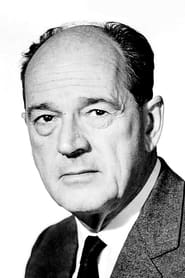
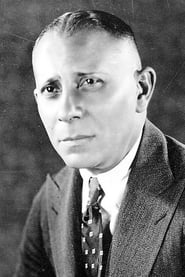
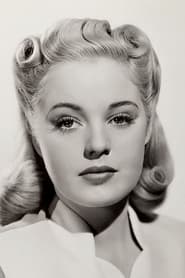
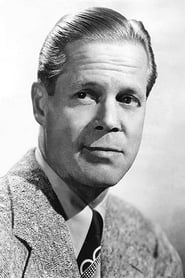
Cast & crew
More films like this
More Crime films
View all →

More from Anthony Mann
View all →
More about this film
About the production
Release dateOctober 15, 1945
ProductionRepublic Pictures
Filmed inRepublic Studios, Hollywood, California
The Great Flamarion was shot in just 18 days on a modest budget typical of Republic Pictures productions. Director Anthony Mann, who would later become renowned for his Westerns and film noirs, brought his distinctive visual style to this B-movie production. The film was part of Republic's attempt to elevate their B-movie productions by hiring established European talent like Erich von Stroheim. The carnival sequences were filmed on studio sets rather than on location, with detailed recreations of traveling circus life. The production faced some challenges due to von Stroheim's reputation for being difficult on set, though his performance ultimately elevated the material beyond its B-movie origins.
Themes
Pride and hubrisBetrayal and deceptionThe destructive nature of obsessionIllusion versus realityMoral corruption
Themes & topics
Historical background
The Great Flamarion (1945) reached audiences during the early sound era, when exhibitors mixed shorts and features on the same program.
Why this film matters
Historians retain The Great Flamarion as a record of how filmmakers in 1945 addressed popular genres.
Making of
The production of 'The Great Flamarion' was marked by the collaboration between two very different creative minds: director Anthony Mann, then a rising talent in the film noir genre, and Erich von Stroheim, the former silent film director who had become a respected character actor. Von Stroheim brought his extensive knowledge of European cinema and his reputation for perfectionism to the set, often suggesting script changes and camera angles. Mann, meanwhile, was developing his distinctive visual style that would later define his Westerns, using low-key lighting and dramatic shadows to enhance the film's noir atmosphere. The carnival setting required detailed production design, with the art department creating authentic-looking shooting galleries and circus props. The film's most challenging sequence involved the attempted murder scene, which required careful choreography and special effects to make the shooting appear realistic while ensuring the actors' safety. Despite the film's B-movie status and tight schedule, Mann managed to extract powerful performances from his cast, particularly von Stroheim's portrayal of a man whose pride leads to his downfall.
What critics said
Trade coverage from 1945 treated The Great Flamarion as program material; later writers evaluate it through preservation and genre context.
Did you know?
- Erich von Stroheim, a director and actor from the silent era, was cast against type as the protagonist rather than his usual villain roles
- Director Anthony Mann considered the release one of his stepping stones to bigger projects, using it to develop his noir style
- The film's original script was written by Anne Wigton, one of the few female screenwriters working in Hollywood at the time
- Mary Beth Hughes was pregnant during filming, which required careful camera work to conceal her condition
- Dan Duryea was typecast as the weak-willed alcoholic husband, a role he would play variations of throughout his career
- The film was shot in the same year as Mann's other noir classic 'Strange Impersonation'
- Republic Pictures initially marketed the film as a standard crime drama, not recognizing its noir elements until later critics reclassified it
- The carnival shooting scenes were performed by stunt doubles, though von Stroheim insisted on doing his own close-up work with the guns
- The film was released just as World War II ended, contributing to its dark, cynical tone that resonated with post-war audiences
- Despite its modest budget, the film's cinematography by John Alton would later be praised as some of the best noir photography of the era
Visual style
The cinematography by John Alton, who would become widely praised noir cinematographers, is a standout element of The Great Flamarion. Alton employs his signature low-key lighting techniques, creating dramatic shadows and silhouettes that enhance the film's mood of menace and moral ambiguity. The carnival sequences are particularly notable for their use of lighting to create an atmosphere of spectacle and deception. Alton's camera work emphasizes the psychological states of the characters, using close-ups and Dutch angles to convey Flamarion's growing paranoia and obsession. The film's visual style contributes significantly to its noir atmosphere, with carefully composed shots that use light and shadow to reinforce themes of illusion and reality. Alton's work on the release demonstrates his ability to create striking visual effects even with the limited resources of a B-movie production.
Innovations
While The Great Flamarion was produced on a modest B-movie budget, it achieved several technical accomplishments that elevated it above typical Republic Pictures productions. The film's most notable technical achievement lies in its cinematography, with John Alton's innovative use of lighting creating a distinctive noir atmosphere. The carnival shooting sequences required careful choreography and camera work to create the illusion of danger while ensuring actor safety. The production design successfully created convincing carnival environments on studio sets, demonstrating how limited resources could be used effectively through creative art direction. The film's sound design effectively captures the atmosphere of a traveling circus, with ambient noises and diegetic music enhancing the realism of the setting. The editing by Harry Keller maintains a tight pace throughout the film's 78-minute runtime, demonstrating how efficient storytelling could compensate for budget limitations.
Music
The musical score for The Great Flamarion was composed by Joseph Dubin, Republic Pictures' house composer who worked on many of their productions. Dubin's score reflects the film's noir sensibilities, using dramatic orchestral arrangements to enhance the tension and emotional intensity of key scenes. The music particularly shines during the carnival sequences, where it helps create the atmosphere of spectacle and showmanship. The score also features subtle leitmotifs for the main characters, with Flamarion's theme conveying his arrogance and pride, while Connie's music suggests her deceptive nature. The soundtrack makes effective use of diegetic music from the carnival setting, including calliope music and shooting gallery sound effects that contribute to the film's immersive atmosphere. While not as elaborate as scores from major studio productions, Dubin's work effectively supports the film's dramatic needs and enhances its noir atmosphere.
Famous quotes
Flamarion: 'I'm the greatest sharpshooter in the world. There's nothing I can't hit.'
Connie: 'A man like you shouldn't be wasting his talent in a cheap carnival.'
Flamarion: 'You can't fool the Great Flamarion. I know every trick in the book.'
Al: 'She'll destroy you, just like she's destroying me.'
Connie: 'Love is just another word for weakness, Flamarion.'
Memorable scenes
- The opening carnival sequence where Flamarion demonstrates his incredible shooting skills, establishing his character's arrogance and expertise
- The tense confrontation between Flamarion and Connie in her trailer, where she manipulates his emotions and pride
- The attempted murder sequence during Flamarion's performance, with dramatic lighting and suspenseful pacing
- Flamarion's recovery and realization of betrayal, shown through shadowy cinematography and close-ups of his tormented face
- The final showdown scene in the carnival after hours, with its expressionistic lighting and dramatic confrontation between the three main characters
What audiences thought
Upon its release in October 1945, The Great Flamarion performed modestly at the box office, typical for a Republic Pictures B-movie production. Audiences responded positively to von Stroheim's performance and the film's suspenseful plot, though it didn't achieve the commercial success of major studio productions. The film found its audience among noir enthusiasts and fans of von Stroheim's work. In subsequent decades, the film has developed a cult following among classic film buffs and noir specialists. Modern audiences discovering the film through revivals and home video have praised its tight pacing and psychological complexity. The film's reputation has grown over time, with many contemporary viewers considering it superior to many A-list productions of the era in terms of its storytelling efficiency and emotional impact.
Film connections
Influenced by
- The Maltese Falcon (1941)
- Double Indemnity (1944)
- The Big Sleep (1946)
- German Expressionist cinema
- French poetic realism
This film influenced
- The Killing (1956)
- The Hired Man (1961)
- Nightmare Alley (1947)
- The Last of Sheila (1973)
Film restoration
The Great Flamarion has been preserved and is available through various archives and home video releases. The film exists in good quality 35mm prints held by major film archives including the UCLA Film & Television Archive and the Museum of Modern Art. Republic Pictures' library was acquired by Paramount Pictures, which has maintained the film's preservation. The film has been released on DVD by various specialty labels, including Kino Lorber, which released a restored version. The film's survival is notable given that many B-movies from this period have been lost or exist only in poor quality prints. The preservation status allows modern audiences to appreciate this example of Anthony Mann's early work and Erich von Stroheim's later career performances.
Where to watch
- The Criterion Channel
- Kino Lorber DVD/Blu-ray releases
- Classic film streaming services
- Film noir specialty streaming platforms
- Public domain archives (where available)
- Museum film screenings
- TCM (Turner Classic Movies) broadcasts
- University film collections